
Arthroscopic Procedures
Book An Appointment

What are Arthroscopic Procedures?
Arthroscopic procedures are minimally invasive surgeries used to treat various structural issues affecting the joints. They are sometimes also referred to as keyhole surgery. The procedure involves making small incisions in the skin, allowing the insertion of a medical instrument called an arthroscope, as well as other surgical instruments. The arthroscope features a small camera lens and a built-in light to view and illuminate the structures within the joint. The attached camera projects the visual images of the joint on a video monitor, providing the surgeon with a clear view to enable them to perform surgical procedures.
Arthroscopic procedures are performed to examine and treat orthopaedic conditions affecting bones, cartilage, ligaments, muscles, or tendons. They may serve as an alternative to traditional open surgeries, as they require smaller incisions. To determine if you are suitable for an arthroscopy, a physical examination and imaging tests are performed to enable the doctor to select a suitable treatment plan for your condition.
Types of Arthroscopic Procedures
Arthroscopic procedures are performed differently depending on the treatment required. While each procedure shares similar surgical principles, the approach can vary based on treatment goals, location, and specific orthopaedic conditions.
Ankle Arthroscopy
An ankle arthroscopy uses arthroscopic procedures to treat ankle-related conditions, including ankle sprains, joint instability, and torn ligaments. The procedure may help to restore your overall stability, mobility, and balance in the ankle joint.
Elbow Arthroscopy
Elbow arthroscopies may help to relieve elbow pain and other conditions, including elbow bursitis (inflammation of the bursae) and ligament injuries. This procedure aims to restore mobility to your elbow and alleviate pain and discomfort.
Hip Arthroscopy
Hip arthroscopies are commonly performed to treat various hip injuries and conditions, including labral tears (soft tissue injuries around the hip socket) and hip dysplasia (poorly fitting hip joints). Given the importance of the hip joint in supporting your body weight, hip arthroscopy may preserve the joint’s movement and stability.
Knee Arthroscopy
Knee arthroscopy can help diagnose and manage injuries such as fractures, a torn meniscus (which cushions the knee joint), and ligament tears, providing relief from these symptoms. These conditions are likely to be caused by a significant injury or condition that leads to pain, limited range of motion, or other symptoms, which the procedure aims to treat and relieve.
Shoulder Arthroscopy
A shoulder arthroscopy may be performed to treat dislocations, rotator cuff tears, and nerve impingements. It could alleviate arm movement difficulties caused by pain, discomfort, or other conditions.
Wrist Arthroscopy
Wrist arthroscopies may be used to investigate and alleviate pain or discomfort caused by a wrist fracture, cyst, or ligament injury. It is also sometimes performed to treat carpal tunnel syndrome.
How Arthroscopic Procedures Are Performed
Depending on your treatment plan, you may receive either a general or local anaesthesia before the surgery begins. Once you are sedated, the surgeon will carefully make an incision in the skin close to the joint that requires arthroscopic examination or treatment. Additional incisions may be necessary to assess the other structures of the joint or allow the use of additional surgical tools.
The arthroscope is carefully inserted into one of the incisions, and the built-in camera provides a clear video feed of the joint’s interior and surrounding structures. The surgeon will use the arthroscope to examine the entire surgical area and identify areas that require surgical treatment, as determined by the treatment plan. After gathering the necessary visual information, the surgeon will then insert surgical tools through other incisions to perform the required treatments.
Procedures that may be performed include:
- Repairing partially torn cartilage, ligaments, or tendons
- Reconstructing fully torn or severely injured ligaments and tendons
- Removing loose bone fragments
- Debridement of damaged or infected tissue
- Bone graft insertion
Once the arthroscopic surgery is completed, the incisions are stitched up and covered with a medical dressing. You will then be moved from the operating room to a recovery room for observation before the doctor determines that you can return to the ward. Most arthroscopic procedures are outpatient surgeries, and you may be discharged early if your recovery progresses well. However, you may need an overnight or extended stay, depending on the extent of surgery, your recovery, and your doctor’s observations.
Frequently Asked Questions
How do I prepare for an arthroscopic procedure?
Your doctor will share preparatory steps you can take before, during, and after the arthroscopy. Apart from a standard physical exam and additional medical tests, you may be asked to stop taking certain medications, fast for several hours before the procedure, and notify your doctor if you feel unwell.
Are there risks to an arthroscopic procedure?
Most surgical operations carry a small risk of complications, which may include blood clots, infection, and damage to nearby tissue or nerves. The medical team will take preventive steps to reduce this risk and monitor your well-being throughout the procedure.
How long will it take to recover from an arthroscopic procedure?
Recovery time may vary depending on the type of arthroscopic procedure, the extent of treatment, and other factors that your doctor will inform you about after the surgery. In most cases, full recovery may take several weeks to months, and physical therapy sessions are needed to restore mobility, flexibility, and strength in the joint.
Related Treatments

Hip arthroscopy is a minimally invasive surgery that uses small incisions and a camera to diagnose and treat hip conditions such as labral tears, impingement, tendon injuries, and loose bone or cartilage. It helps relieve pain, restore mobility, and support faster recovery compared to open surgery.
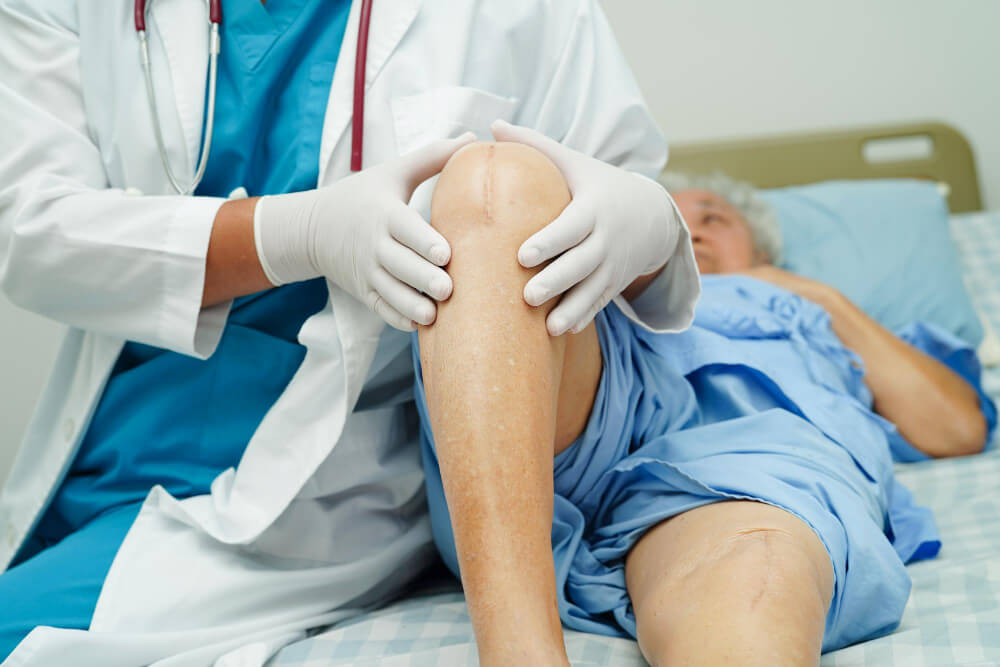
Knee arthroscopy is a minimally invasive surgical procedure used to diagnose and treat various knee problems such as ligament injuries, meniscus tears, tendon damage, fractures, and synovitis. The procedure involves inserting a small camera (arthroscope) through tiny incisions to view and repair the knee joint. It is typically recommended when non-surgical treatments fail to relieve pain or restore mobility. Recovery is usually faster than open surgery, with most patients resuming normal activities within weeks under proper care and physiotherapy.
Find Us Here
Novena
9 AM to 1 PM (Saturday)
Closed on Sundays and Public Holidays
Parkway
9 AM to 1 PM (Saturday)
Closed on Sundays and Public Holidays

