
Avascular Necrosis (Osteonecrosis of the Hip): Symptoms and Causes
Book An Appointment
Key Takeaways
- Osteonecrosis of the hip refers to the gradual “bone death” in your thighbone, causing it to crumble to pieces gradually.
- Osteonecrosis of the hip is a progressive condition that gradually worsens and has no known cure.
What is Avascular Necrosis (Osteonecrosis) of the Hip?

Also known as avascular necrosis (AVN) or aseptic necrosis, osteonecrosis (Latin for “bone death”) of the hip is a condition in which the blood flow to the head of the thighbone (the femoral head) is obstructed. Much like other parts of your body, bone tissue needs to be renewed periodically to ensure your bones stay healthy and strong for a long time. After all, blood is vital in carrying the nutrients and oxygen the body needs to maintain its functions and vitality.
When the blood flow to bone is reduced, it may gradually die and start to crumble, as the skeletal system cannot create new bone tissue fast enough to heal the affected bone. When the bone in a joint fails, the entire joint will need to be replaced. Osteonecrosis may also affect other bones, but the hip is the most commonly afflicted part. It can affect anyone but is more common in men between 40 and 65 years.
What are the Symptoms of Avascular Necrosis (Osteonecrosis) of the Hip?
Osteonecrosis is a progressive condition that gradually worsens; however, symptoms may not immediately present in the early stages. It may take some weeks or months before you notice symptoms of osteonecrosis. You may also develop a limp as a result. A thorough history, examination and investigations will be needed to determine if you do have osteonecrosis of the hip.
Other symptoms that may come up include:
- A dull ache or throbbing pain in or around the groin or buttock area.
- Intermittent pain when stood or walking/running.
- Pain radiating from the hip down to the knee.
- Occasional intense pain in the affected area.
- Stiff joint accompanied by a limited range of motion.
- Inability or difficulty moving around without assistance.
Without prompt treatment, you do put yourself at risk of debilitating osteoarthritis, which will require surgical intervention to get you on the road to recovery.
What Causes Avascular Necrosis (Osteonecrosis) of the Hip?

When the blood supply to the femoral head is disrupted, the bone eventually dies and gradually collapses because it is not receiving nourishment to keep it in good condition. When this does happen, the cartilage that covers the hip bones also collapses and may even put you at high risk of arthritis.
There are a number of risk factors that have been identified for osteonecrosis including trauma (e.g. dislocated hip or hip fracture), drugs (e.g. steroid therapy, chemotherapy, excessive alcohol consumption), radiotherapy and numerous medical conditions including Crohn’s disease, COVID-19, clotting disorders and sickle cell disease.
Diagnosing Avascular Necrosis (Osteonecrosis) of the Hip
Diagnosing with a Physical Examination
Your doctor will perform a physical examination to ascertain if you have osteonecrosis of the hip. Apart from taking your medical history and asking if you recently had any injuries to your hip, they will carefully look for telltale signs of osteonecrosis, including limping, reduced range of motion, or pain around the joint area. They may also assess your hip and leg movements to try and recreate or relieve your symptoms.
Some people can have normal range of motion in the early stages of osteonecrosis; in later stages, the range of motion steadily decreases and pain worsens. The state of bone degeneration occurs will dictate the treatment options needed for your recovery.
Diagnosing with Imaging Tests

- X-ray: An X-ray is ideal for showing solid structures like bone and can thus determine if the bone in the femoral head has collapsed and how bad its condition is.
- Magnetic resonance imaging (MRI): Early changes in the bone’s condition may not immediately show up on an X-ray, so that an MRI scan may be ordered as an alternative. An MRI may also help to detect early osteonecrosis that is not currently causing symptoms.
Orthopaedic Doctor for Avascular Necrosis (Osteonecrosis of the Hip) in Singapore
Dr. McGraw
M.B.Ch.B. | M.R.C.S. (Lon) | F.R.C.S. (Tr & Orth)
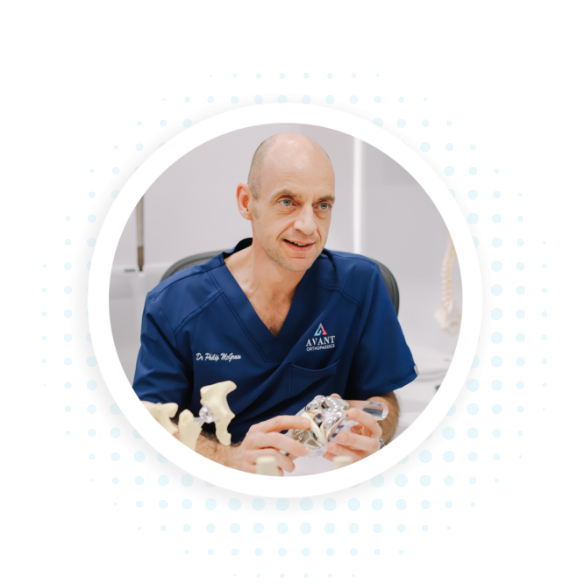
Dr. McGraw is a practising orthopaedic and trauma surgeon at Mount Elizabeth Novena Hospital and Parkway East Hospital.
His special interests and expertise include the management of all aspects of hip and knee conditions, in addition to general orthopaedic and trauma surgery.
Born and bred a Yorkshireman, Dr. McGraw studied Dental Surgery at Newcastle-Upon-Tyne in the United Kingdom. Upon qualifying, he worked as a Maxillofacial surgical trainee before undertaking his dental fellowship at The Royal College of Surgeons London and then commencing his studies in Medicine at Manchester University. He subsequently decided to change tack and completed his training as an Orthopaedic Surgeon in the northwest region of England. Dr. McGraw completed his training by undertaking two fellowships in hip and knee surgery at Wrightington Hospital in the UK. He was appointed as Consultant Orthopaedic Surgeon at Bury & North Manchester General Hospitals in 2012. Whilst at these hospitals, he kept up with the waiting list issues by dedicating his weekends to work in waiting list initiative lists at Wrightington Orthopaedic Hospital.
Getting Medical Attention
Osteonecrosis of the hip requires prompt medical attention, and our highly qualified practitioners at Avant Orthopaedics can help. Book an appointment with us and receive personalised care, where we will diagnose your condition and recommend the best course of action.
Related Conditions

Hip bursitis is a condition characterised by inflammation of the hip bursae, small, fluid-filled sacs that cushion the spaces around bones and other tissues during joint movement. The hip contains two major bursae that are at risk of bursitis: the trochanteric bursa and the iliopsoas bursa.
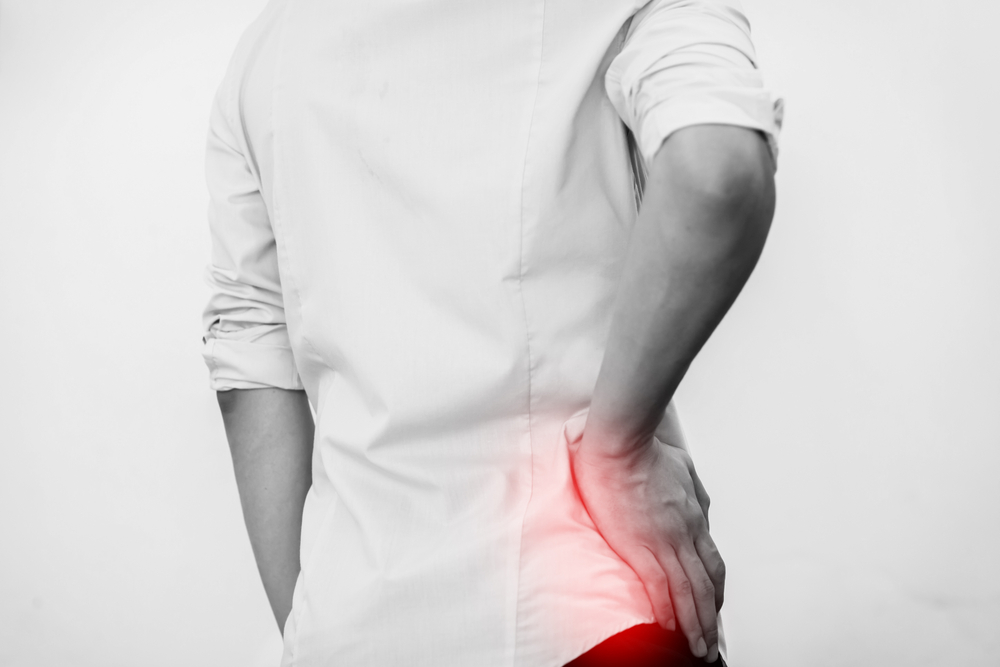
Hip instability, or loose hips, happens when weakened or damaged ligaments, muscles, or the labrum make the hip joint unstable. This causes excessive movement, pain, discomfort, and sometimes a feeling that the hip may “give out.”
Find Us Here
Novena
9 AM to 1 PM (Saturday)
Closed on Sundays and Public Holidays
Parkway
9 AM to 1 PM (Saturday)
Closed on Sundays and Public Holidays

