
Avascular Necrosis (Osteonecrosis) of the Hip: Treatments and Prevention
Content
- What is Avascular Necrosis (Osteonecrosis) of the Hip?
- How to Treat Avascular Necrosis (Osteonecrosis) of the Hip?
- Treating Avascular Necrosis (Osteonecrosis) of the Hip Without Surgery
- Treating Avascular Necrosis (Osteonecrosis) of the Hip With Surgery
- How to Prevent Avascular Necrosis (Osteonecrosis) of the Hip
Book An Appointment

Key Takeaway
- Early-onset osteonecrosis of the hip may be treated with nonsurgical methods, but it only manages symptoms and prevents the condition from rapidly worsening.
- Surgery is your best bet for treating osteonecrosis of the hip, with early-stage cases requiring minimally invasive procedures to help with your recovery.
What is Avascular Necrosis (Osteonecrosis) of the Hip?
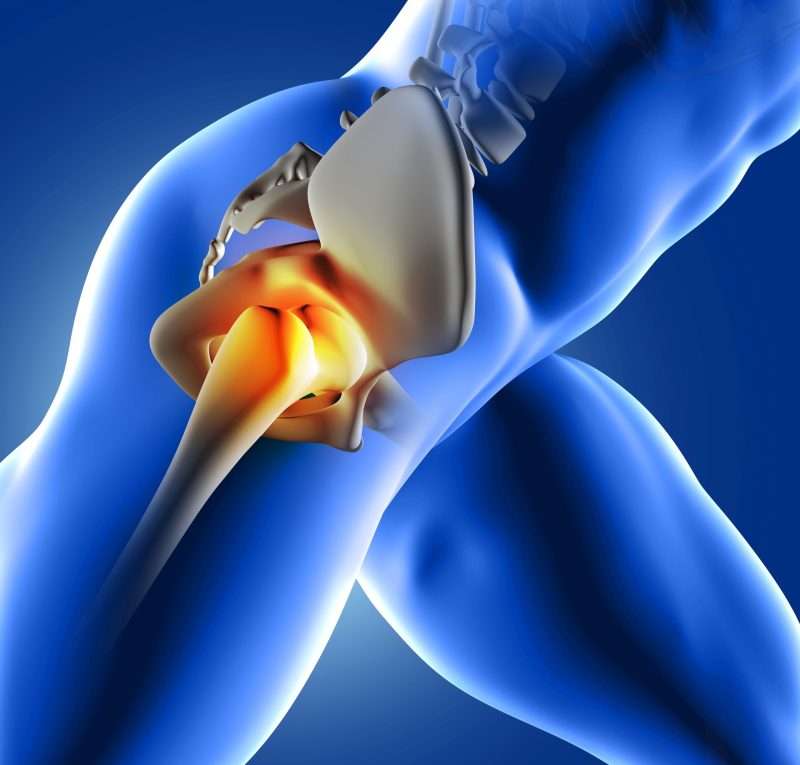
Also known as avascular necrosis (AVN) or aseptic necrosis, osteonecrosis (Latin for “bone death”) of the hip is a condition in which the blood flow to the head of the thighbone (the femoral head) is obstructed. Much like other parts of your body, bone tissue needs to be renewed periodically to ensure your bones stay healthy and strong for a long time. After all, blood is vital in carrying the nutrients and oxygen the body needs to maintain its functions and vitality.
When the blood flow to bone is reduced, it may gradually die and start to crumble, as the skeletal system cannot create new bone tissue fast enough to heal the affected bone. When the bone in a joint fails, the entire joint will need to be replaced. Osteonecrosis may also affect other bones, but the hip is the most commonly afflicted part. It can affect anyone but is more common in men between 40 and 65 years.
How to Treat Avascular Necrosis (Osteonecrosis) of the Hip?
The extent of damage to your femoral head will inform the treatment you need. Early-stage osteonecrosis may typically need nonsurgical treatment methods for effective results, but this mainly helps to slow down its progression and does not stop it entirely.
Treating Avascular Necrosis (Osteonecrosis) of the Hip Without Surgery
Treating Osteonecrosis of the Hip via Physiotherapy
Physiotherapy can help you reduce pain and swelling, strengthen hip muscles, and slowly restore your range of motion and flexibility. Your physiotherapist will show you various exercise methods to help with this, focusing on restoring your hip’s strength while reducing further damage to the affected bone.
A combination of passive and active exercises can be beneficial in slowing down osteonecrosis’ progression, but it is essential to listen to your physiotherapist’s advice on what exercises you can or cannot incorporate into your routine based on your current condition. Strengthening and balancing exercises are also crucial additions to help you regain your footing and mitigate the extent of damage to your hip.
You will learn to pay close attention to the pain or discomfort you may feel during exercise and adjust accordingly to reduce pressure on the bone. You may also need to minimise load-bearing on the affected hip by using a walking aid, ensuring that your bone can heal nicely while also managing pain.
In between sessions, it is also vital that you get sufficient rest so you do not overwork your hip and cause further complications.
Treating Osteonecrosis of the Hip with Medication
Medications can provide much-needed relief from your condition. Your prescriptions may include bisphosphonates, which help reduce the risk of bone degeneration; nonsteroidal anti-inflammatory drugs (NSAIDs) like aspirin or Arcoxia, which relieve pain; and statins, which reduce fatty substances (lipids) in your bloodstream. If you happen to have an existing medical condition that requires corticosteroids, immunosuppressant medications, or chemotherapy, your doctor will advise you on alternative treatment methods, as osteonecrosis medication may be counteracted by the therapies mentioned above.
Treating Avascular Necrosis (Osteonecrosis) of the Hip With Surgery

Treating Osteonecrosis of the Hip via Core Decompression
This minimally invasive surgical procedure involves drilling small holes (or a single, large one) into the femoral head, providing much-needed relief to the bone while restoring blood flow and reducing pain. This procedure is ideal for early-stage osteonecrosis and is credited for preventing the complete collapse of the femoral head and even the onset of arthritis in the affected hip. However, note that there is still a minimal risk that you will require a total hip replacement much later.
A bone graft may also accompany core decompression to ensure that new, healthy bone can form and provide support at the hip joint. A bone graft is typically taken from a donor (allograft) or another bone in your body (autograft); using an artificial graft instead is also possible. Your surgeon will outline your options and advise you on the ideal pick for your needs.
There are also instances where the extracted graft takes an intact artery and vein with it, known as a vascularised bone graft. This procedure is performed in people with healthy blood vessels to restore blood supply to the bone, ensuring that the bone is adequately nourished.
Treating Osteonecrosis of the Hip via Arthroscopic Cleansing
Offered as part of core decompression or performed on its own, arthroscopic cleansing will remove loose pieces of bone or cartilage that cause pain or affect your joint’s range of motion. The surgeon uses a special instrument called an arthroscope, a long, thin tube with a camera and light attached to one end, to view the surgical area and guide small surgical tools into keyhole incisions that provide access to the affected area. With these tools, the surgeon can then carefully remove these loose pieces before gently removing the tools and suturing the incisions.
Treating Osteonecrosis of the Hip via Osteotomy
This early-stage surgical intervention involves your surgeon re-aligning your femur to carefully distribute your body weight across the healthy bones of your affected leg. Doing so ensures your body weight is supported by a structurally sound part of the bone, which can greatly improve the joint’s well-being in the long term.
Treating Osteonecrosis of the Hip via Total Hip Replacement
A total hip replacement may be the only solution for more severe cases of osteonecrosis of the hip, where the surgeon removes and replaces the entire hip joint with sturdy artificial parts. The procedure involves making an incision along the front, side, or back of the hip to reach the joint while being careful not to damage the muscles. They will then need to carefully remove the damaged femoral head, as well as any cartilage or other tissue in the pelvic socket where the femoral head rests.
Once the removal is complete, the surgeon will carefully install the prosthetic components and stitch up the incision. You will be encouraged to move again with proper support and regular physiotherapy after surgery. However, you may require support for a period of time during your recovery; recovery can take anywhere from a few weeks to a few months, depending on a person’s health. Speak to your doctor about what you can do to help improve your recovery rate, but be sure not to rush things.
How to Prevent Avascular Necrosis (Osteonecrosis) of the Hip

Though osteonecrosis of the hip still has no cure and steadily progresses, you can still take measures to slow down its progression and help you maintain your mobility and independence for a longer time. Simple things you can do to start include:
- Get as much regular low impact exercise as possible to maintain your hip’s normal range of motion and flexibility.
- Pace yourself accordingly when exercising; avoid straining yourself during your routines, as it can exacerbate the progression of osteonecrosis.
- Quit smoking and alcohol, as they can increase your risk of osteonecrosis. Smoking is known to slow the rate at which bones heal.
- Maintain a healthy weight to reduce the pressure on your joints when you stand or walk. A healthy diet will also help with weight management and ensure you get sufficient nutrients to stay healthy.
- Keeping cholesterol levels low can also improve health outcomes, as fat can build up and obstruct blood vessels, reducing blood flow to the bone.
- If you require corticosteroids to treat a chronic medical condition, talk to your doctor about your dosage, as the overuse of corticosteroids can cause adverse reactions in your body, putting you at risk of osteonecrosis of the hip.
Frequently Asked Questions
In severe cases where the femoral head has suffered extensive damage, surgery is may be the only way to help you recover. Nonsurgical methods can only slow down osteonecrosis of the hip, not outright prevent it.
Yes, but starting preventive measures as soon as possible can help you substantially slow its progression. Generally, as long as you take good care of yourself, you can significantly reduce that risk and enjoy a fruitful life for many years.
Your doctor will advise you on the dos and don’ts to help with your treatment plans for your conditions, including osteonecrosis of the hip. It is vital that you follow your doctor’s advice to help manage your symptoms and reduce the risks of complications.
When Should You Seek Professional Help?
Osteonecrosis of the hip requires prompt medical attention, and our highly qualified practitioners at Avant Orthopaedics can help. Contact us to book an appointment and receive personalised care, where we will diagnose your condition and recommend the best course of action.
Our Orthopaedic Doctor & Surgeon for Avascular Necrosis (Osteonecrosis) of the Hip
Dr. McGraw
M.B.Ch.B. | M.R.C.S. (Lon) | F.R.C.S. (Tr & Orth)
Dr. McGraw is a practising orthopaedic and trauma surgeon at Mount Elizabeth Novena Hospital and Parkway East Hospital.
His special interests and expertise include the management of all aspects of hip and knee conditions, in addition to general orthopaedic and trauma surgery.
Born and bred a Yorkshireman, Dr. McGraw studied Dental Surgery at Newcastle-Upon-Tyne in the United Kingdom. Upon qualifying, he worked as a Maxillofacial surgical trainee before undertaking his dental fellowship at The Royal College of Surgeons London and then commencing his studies in Medicine at Manchester University. He subsequently decided to change tack and completed his training as an Orthopaedic Surgeon in the northwest region of England. Dr. McGraw completed his training by undertaking two fellowships in hip and knee surgery at Wrightington Hospital in the UK. He was appointed as Consultant Orthopaedic Surgeon at Bury & North Manchester General Hospitals in 2012. Whilst at these hospitals, he kept up with the waiting list issues by dedicating his weekends to work in waiting list initiative lists at Wrightington Orthopaedic Hospital.
Related Treatments

Low-grade labrum tears usually won’t affect your lifestyle too much, but it’s important to take care of yourself to prevent it from worsening. Labral repair or reconstruction is the best way to completely restore its functions; make sure to get sufficient rest to allow it to heal properly.
Understanding when to reach out for professional guidance is crucial in managing hip pain effectively and preventing potential complications.
Find Us Here
Novena
9 AM to 1 PM (Saturday)
Closed on Sundays and Public Holidays
Parkway
9 AM to 1 PM (Saturday)
Closed on Sundays and Public Holidays

