
Fractures & Dislocation: Symptoms, Causes, Treatments
Content
- What is a Fracture?
- What is Dislocation?
- What Causes a Fracture or Dislocation?
- Common Symptoms of Fractures and Dislocations
- How to Diagnose a Fracture or Dislocation
- How to Treat a Fracture or Dislocation
- How to Prevent Fractures and Dislocations
- Getting Professional Medical Attention
- Frequently Asked Questions (FAQ)
Book An Appointment
Key Takeaways
- A fracture refers to a partially or entirely broken bone, while a dislocation is an injury where bones articulating at a joint are forced out of position.
- Intense external forces cause fractures and dislocations, such as falls, motor vehicle accidents, or sports-related injuries.
- Treatment options aim to briefly immobilise your affected limb or body part to allow it to heal over time.
- Surgery is necessary for severe injuries where the bone fragments are displaced and cannot be addressed via non-surgical methods.
What is a Fracture?
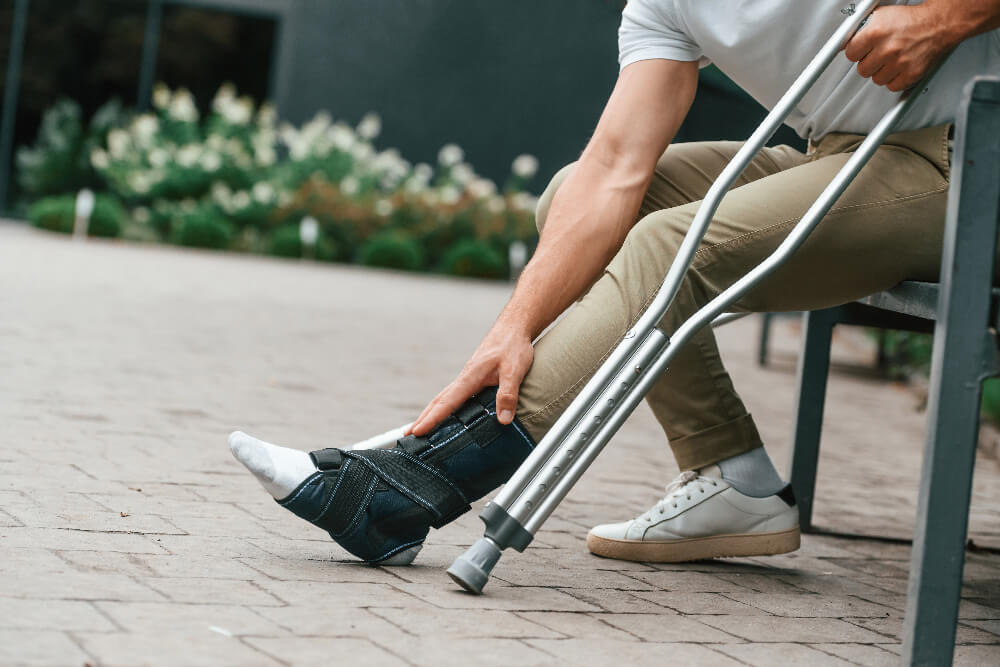
A fracture is a medical term that describes a partially or entirely broken bone, sometimes breaking or cracking in multiple places. A fracture’s severity is based on how much external force was applied to the bone, which will cause the bone to break or shatter. Bones are rigid enough to withstand substantial force, but if that force exceeds the bone’s breaking point, it will result in a fracture. A fracture can also cause the bone to break through the skin and cause further harm if left untreated. In fact, any fracture can also damage nearby blood vessels, nerves, and other key structures of your body, which can impair your overall well-being.
Types of Fractures
Fractures are divided into several categories based on the extent of damage they cause.
- Open/compound fractures refer to fractures where the bone punctures the skin and is exposed. These fractures require immediate medical attention to prevent further complications, such as infection.
- Closed/simple fractures are fractures where the bone does not penetrate the skin. In such a scenario, broken bones that are aligned and remain in their original place are known as stable or undisplaced fractures; if the broken bones are out of alignment, they are called displaced fractures.
- Comminuted fractures refer to bones that break into several pieces.
What is Dislocation?
A dislocation is a serious injury in which the bones in a joint are forced out of position, causing joint incongruency. Injuries that stem from falls or a vehicle accident can cause a dislocation where external force knocks the joint’s bones out of alignment; for cases where the bones are only partially out of position, it is known as subluxation. When a dislocation happens, it is accompanied by significant pain and swelling in the affected area. Like fractures, dislocations require immediate medical treatment to minimise complications impairing mobility or reducing quality of life.
Can Fractures Happen in a Dislocation?
If sufficient external force acts on dislocated bones, there is also a risk that the bone can fracture simultaneously. Depending on the severity of the fracture and dislocation, this can result in a longer treatment and recovery period.
What Causes a Fracture or Dislocation?
The most common cause of a fracture or dislocation is physical injury or trauma, whether from a fall, motor vehicle accident, or sports-related injury. When excessive external force acts on bone, it can cause the bone to break, shatter, or dislocate from its original position. Overuse injuries can also be a source of fractures or dislocations, as repetitive motions from sports practice or daily activities can gradually tire muscles and apply gradual force onto your bones. Over time, this can cause stress fractures, sometimes starting as hairline cracks that are easily missed during routine checks before they become more serious and cause a fracture or dislocation.
Medical conditions that affect bone health and density can also increase your risk of fractures or dislocations. Osteoporosis and osteoarthritis can cause your bones to weaken over time, making them more susceptible to external force and causing a fracture or dislocation.
Common Symptoms of Fractures and Dislocations
Apart from pain in the affected area and a loss in range of motion or mobility, other symptoms you may experience can include the following.
- Deformity and swelling around the affected area.
- Bruising or discolouration around the affected area.
- Difficulty or inability to move the affected area.
- Numbness or tingling sensations.
- Muscle spasms that can cause pain.
How to Diagnose a Fracture or Dislocation
Diagnosing with a Physical Examination
Your doctor will perform a physical examination to look for signs of a fracture or dislocation if it is not immediately apparent (such as closed fractures). In addition to taking your medical history, they will ask you questions about how you feel while carefully assessing where you may be experiencing symptoms. Depending on your condition, you may feel discomfort during the examination; be sure to let your doctor know how you feel. If you do not feel anything during the test, it is also a good idea to notify your doctor.
Using a Hop Test
A hop test is a simple physical test determining the presence or absence of stress fractures in your leg. You will need to stand in place with one foot raised, then jump as high as you can and land firmly without losing your balance. You will then repeat the test with your other leg. The doctor will then compare the jump height for both legs and determine if there is less than a 10% difference in hop distance between both legs.
Diagnosing with Imaging Tests
Additional tests can help confirm the diagnosis, especially if the physical exam does not give a satisfactory result. These tests could also help differentiate your condition from others with similar symptoms.
- X-ray scan: An X-ray can clearly show dense structures like bone, allowing the doctor to examine the extent of damage caused by the fracture or dislocation. Sometimes, an X-ray will be performed at multiple angles to get a clearer picture of your condition.
- Magnetic resonance imaging (MRI): This test may be needed if your doctor needs to examine the surrounding structures around the fracture or dislocation to identify smaller fractures or bone fragments. It can also produce clear images of soft tissue such as muscles, ligaments, cartilage, and tendons to look for other damage to these structures.
How to Treat a Fracture or Dislocation
Treatment will depend on the severity of your fracture or dislocation. Non-surgical therapies can be valuable for mild to moderate cases, while surgery is the ideal option for treating severe fractures or dislocations.
Treating Fractures or Dislocations Without Surgery
Treating Fractures or Dislocations via First Aid Techniques
In most cases, the PRICE method can help you reduce symptoms and manage pain. It is usually performed as part of other treatments for your fracture or dislocation.
- Protection: Immobilising the affected limb or body part can prevent further injury and improve recovery outcomes.
- Rest: Avoid activities that put pressure/stress on the affected limb or body part.
- Ice: Place a cold compress or ice pack in a towel on the affected area for 20 to 30 minutes, 3 or 4 times daily. Avoid placing ice directly onto your skin.
- Compression: A compression bandage or splint can immobilise the affected limb or body part and decrease pain and swelling.
- Elevation: You should keep the affected limb or body part raised above your heart to help drain fluid away from the injury and reduce swelling.
Treating Fractures or Dislocations via Reduction
The reduction procedure involves carefully realigning the fractured or dislocated bone into its normal position. This non-surgical technique will require you to be sedated or put under general anaesthesia to minimise the pain and discomfort you feel during the process. Once completed, your doctor will take follow-up X-rays to see if the fractured or dislocated bone is back to its normal position. The affected area will also be immobilised with a cast to improve recovery outcomes and prevent complications from arising.
Treating Fractures or Dislocations With Surgery
Surgery is primarily reserved for fractures or dislocations that do not seem to respond well to non-surgical treatment methods or cause significant pain and discomfort due to a severe injury.
Treating Fractures or Dislocations via Open Reduction with Internal Fixation (ORIF)
The ORIF method aligns the bones and uses artificial materials to hold the bone fragments in place. During the operation, the surgeon will first reposition the bone fragments back to normal alignment, then keep them in place using surgical screws or metal plates placed on the bone’s outer surface. In some cases, a metal rod is inserted through the centre of the bone and then held in place with screws, if needed. These fixation devices will be left in place for some time to allow the bone to heal and will be removed once it completely heals, usually a year later. In other cases, the fixation devices may be left inside.
Additional Surgical Treatments for Other Complications
If the fracture or dislocation also damages other structures in your body, such as blood vessels or nerves, your doctor will also perform the appropriate treatments to address these issues. For example, surgery in an open fracture case is performed to reset the bone fragments back into alignment (or removed entirely, if necessary) before cleaning and stitching the open wound, followed by supplementary wound care to prevent infection.
How to Prevent Fractures and Dislocations
Prevention is always better than cure, so you must do all you can to protect yourself from mishaps that can cause a fracture or dislocation. Here are some valuable tips to consider to protect yourself.
- Get regular exercise: Even after your recovery, you should exercise regularly to maintain your physical health. Avoid overexerting yourself to reduce the risk of future fractures or dislocations.
- Warm up first: Before starting any exercise routine, stretching and other warm-up activities can prepare your body for an intense workout.
- Stretch often: Even if you are not exercising, frequently stretching your arms and shoulders can benefit your physical well-being. You should stretch every time you wake up in the morning and before and after your exercise routine.
- Slowly increase your physical activity: Our bodies need time to get used to physical activity. If you are new to this, start with a warm-up session to prepare for the day’s exercises. Start slowly and then steadily build up the intensity. Make sure to pace yourself appropriately not to strain your bones and soft tissues.
- Watch yourself: Pay attention to where you are walking or running to avoid falling or injuring yourself, increasing the risk of a fracture or dislocation.
- Screen yourself for bone density. This can be done with a bone mineral density scan or DEXA scan. Ask your doctor about this test.
- Remove fall hazards: Remove any items in your home that may be a potential fall hazard, including slippery floor mats.
- Adopt a healthy diet: Eat more calcium and vitamin D foods to promote bone health. Ensure you have more nutritious meal options, including fruits, vegetables, and antioxidant-rich foods.
Getting Professional Medical Attention
If you have a fracture or dislocation, prompt medical treatment is vital. At Avant Orthopaedics, our doctors are ready to provide comprehensive medical support to address the fracture or dislocation. Contact us to book an appointment and receive personalised care, where we will diagnose your condition and recommend the best course of action.
Frequently Asked Questions (FAQ)
If you suspect you may have fractured or dislocated a bone, you should see a doctor immediately to prevent further complications. Follow-up checks are necessary after your treatment to ensure positive recovery outcomes.
In some cases, symptoms of fractures and dislocations may not appear or are very mild, so you might not realise that something is actually fractured or dislocated. If you experience discomfort when moving your limbs or have had a bad fall or injury, seek treatment immediately.
Recovery can vary for various reasons, such as age, overall physical health, the complexity of the wound, and the required treatment. Some people may recover from a fracture or dislocation within a few weeks, while others may take longer. During the initial consultation, your doctor will outline the expected recovery timeline.
Related Conditions
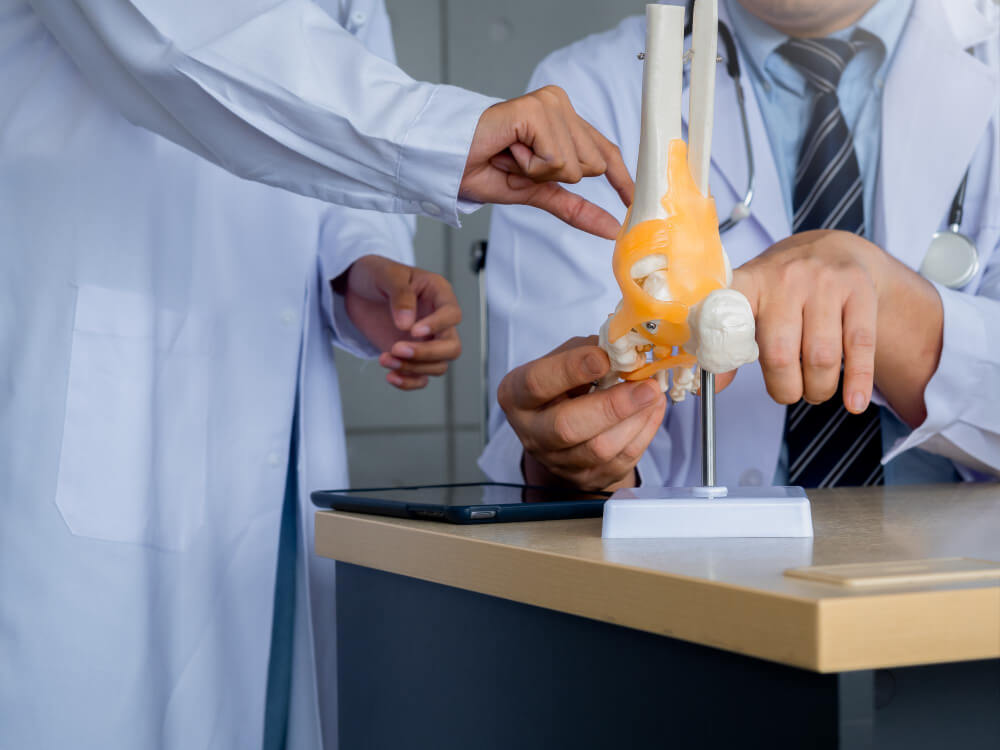
Bone tumours are abnormal growths found within any bone in your skeletal system. However, bone tumours may typically be found on the larger bones in your body, including the femur, tibia, humerus, ribs, spine, and pelvis. In most cases, bone tumours are benign (non-cancerous) and will usually go away after some time, even without non-surgical interventions.

Ligaments are strong, fibrous connective tissue that binds your bones together across joints. They help to stabilize and support your joints and keep your bones in place. When a ligament around your joint is partially injured, it is a sprain. If it’s completely injured and loses fibres continuity, it is termed a rupture. Ligament sprains are common injuries and can happen to anyone.
Find Us Here
Novena
9 AM to 1 PM (Saturday)
Closed on Sundays and Public Holidays
Parkway
9 AM to 1 PM (Saturday)
Closed on Sundays and Public Holidays

