
Bone Spurs (Osteophyte): Symptoms, Causes and Diagnosis
Book An Appointment
Key Takeaways
- Bone spurs are an additional bone growth that occurs when your body tries to heal the damage or stress inflicted on your bones and joints.
- Osteoarthritis is the most common cause of bone spurs.
What are Bone Spurs?
Bone spurs, also known as osteophytes, are smooth bony growths that develop on the edges of the bones. Osteophytes are the result of the body’s attempt to repair damage or stress on bones and joints. They can often be found near joints or where ligaments and tendons connect to bones. Since bone spurs are the body’s response to stress, they tend to grow in your spine and heel, because these regions are also subject to a lot of pressure.
Other common locations where bone spurs can be found are as follows:
• Neck
• Shoulders
• Hands (especially your knuckles)
• Hips
• Knees
• Feet

What are the Symptoms of Bone Spurs
Many bone spurs are asymptomatic and may go unnoticed until they are discovered through imaging. Osteophytes are common and typically do not cause any problems; individuals with osteophytes may not experience any symptoms and may be unaware that they even have it. However, bone spurs may cause discomfort if they irritate your soft tissue, affect joint movement, or put pressure on a nearby nerve. You may have osteophytes if you are experiencing the following signs in one or more joints.
- Pain
- Stiffness
- Swelling or tenderness
- Reduced range of motion
- Muscle spasms or cramps
- Numbness, weakness, or tingling if the affected nerves are compressed
- A noticeable lump or bump on your knuckles or kneecap
- Difficulty walking or standing (if the bone spurs grow in your foot or heel)
- Discomfort when you try to bend or move the affected joint
Complications caused by Bone Spurs
Osteophytes on your spine and neck can cause further complications, but this does not happen very often. Bone spurs on your spine may interfere with your spinal cord nerves, while bone spurs on your neck may grow large enough to affect your swallowing.
What Causes Bone Spurs?
Osteophytes result from the repair process that occurs in your damaged bones or tissues. The most common cause of bone spurs is joint damage that results from osteoarthritis, whereby your joint cartilage, the connective tissue that cushions the ends of bones, is worn down. Hence, your body forms bone spurs near the affected area to try to repair the loss and stabilise your joint. If you have an injury to your joints or tendons, your body will add a bone to the affected area if it thinks your bone is damaged, and this is where osteophytes are formed. Other causes of bone spurs include:
- Natural wear and tear on your joints from ageing
- Repetitive stress or overuse of your joints from sports or physical labour
- Poor posture or spine misalignment
- Inflammatory conditions such as rheumatoid arthritis or ankylosing spondylitis
- Increased pressure on joints from weight gain or obesity
- Family history of bone spurs
- Disc and joint degeneration
- Sports-related injuries
- Accidents
- Structural problems that have been present since birth
- Narrowing of spine

Diagnosing Bone Spurs
Diagnosing with a Physical Examination
When diagnosing bone spurs, your doctor will conduct a physical examination to assess your pain, range of motion, and joint function. Your doctor may also examine the affected region to check for a bump.
Diagnosing with Imaging Tests
After a physical examination, your doctor may also follow up with imaging tests to confirm the presence and location of the bone spurs. X-rays are the most common method to detect bone spurs, while magnetic resonance imaging (MRI) or computerised tomography (CT) scans are used for a more detailed view of your bone spur, especially in the spine. Your doctor may also use an ultrasound to assess any soft tissue involvement.
If you are experiencing nerve-related pain, your doctor may conduct additional electroconductive tests such as an electromyography (EMG) or nerve conduction study (NCS). These tests measure how quickly your nerves send electric signals and can ascertain if bone spurs are causing nerve damage.
Getting Medical Attention
If you are experiencing one or more symptoms of osteophytes, you should seek medical attention. At Avant Orthopaedics, we are dedicated to putting our patients first with our treatments and services to create a personalised experience for them. Book an appointment with us or contact us today if you have any enquiries.
Related Conditions
Fractures and dislocations are common injuries caused by trauma, falls, or accidents that affect bones and joints. A fracture refers to a break or crack in a bone, while a dislocation occurs when bones in a joint are forced out of position. Symptoms include pain, swelling, deformity, and limited mobility. Diagnosis involves physical examinations and imaging tests such as X-rays or MRI scans. Treatment varies depending on severity, including immobilisation, the PRICE method, or surgery such as open reduction and internal fixation. Proper care, rehabilitation, and preventive measures like regular exercise, bone screening, and a healthy diet support recovery and help prevent future injuries.
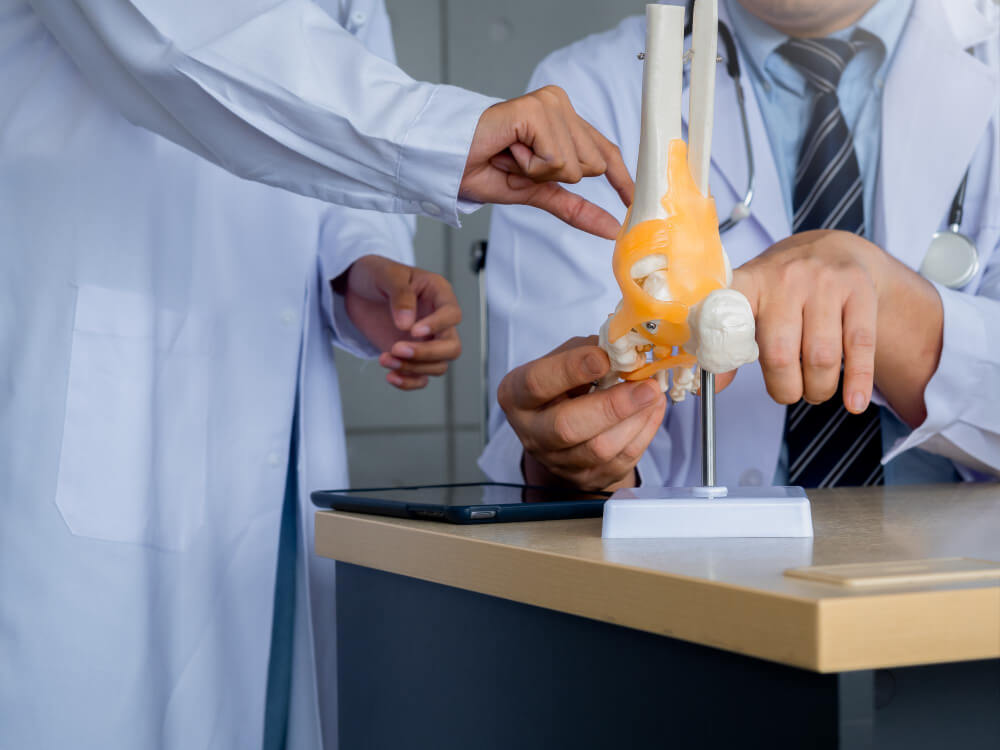
Bone tumours are abnormal growths found within any bone in your skeletal system. However, bone tumours may typically be found on the larger bones in your body, including the femur, tibia, humerus, ribs, spine, and pelvis. In most cases, bone tumours are benign (non-cancerous) and will usually go away after some time, even without non-surgical interventions.
Find Us Here
Novena
9 AM to 1 PM (Saturday)
Closed on Sundays and Public Holidays
Parkway
9 AM to 1 PM (Saturday)
Closed on Sundays and Public Holidays