
Golfer’s Elbow (Medial Epicondylitis): Symptoms, Causes and Diagnosis
Book An Appointment

What is a Golfer's Elbow?
Golfer’s elbow, also known as medial epicondylitis, is a condition that causes pain and discomfort on the inside of your elbow. While it is commonly associated with golfing activities, it can happen to anyone who engages in repetitive or forceful gripping motions of the wrist and fingers.
What are the Common Causes of Golfer's Elbow?
Imagine someone who loves playing golf but doesn't have the best swing technique. They may end up putting extra strain on their elbow each time they swing the club, increasing their risk of developing golfer's elbow. This also applies to those who participate in weightlifting without proper guidance, along with other activities which require constant use of their arms.
From painting walls to typing away at a keyboard, many jobs demand repetitive motions that can strain our elbow tendons over time. Even seemingly harmless tasks like gripping tools or carrying heavy objects can gradually wear them down.
Have you noticed the soreness you felt in your elbows after a day of swinging a tennis racquet or playing the violin? Those repetitive actions can take a toll, causing tiny tears in tendons and triggering the discomfort associated with the golfer's elbow.
Not giving your muscles and tendons enough time to rest and recover can make them more prone to injury. It's important to listen to your body and take breaks when needed, especially during repetitive tasks.
What are the Symptoms of a Golfer's Elbow?
When the tendons around your inner elbows are irritated, you may experience a numb and tingling sensation that is also known as “pins and needles”. In some cases, it may extend to the ring and little fingers.
You may experience weakness in the hands and wrists, particularly when trying to grip objects or perform activities that require wrist flexion. This weakness can make it challenging to perform everyday tasks and may worsen with continued use of the affected arm.
Stiffness in the elbow joint is common, making it difficult to fully bend or straighten the arm. It may be experienced after a period of rest or upon waking up in the morning. This stiffness might also be accompanied by a sensation of tightness in the forearm muscles.
The telltale sign of this condition is pain and tenderness on the inner side of the elbow, specifically around the bony bump known as the medial epicondyle. This pain may radiate down the forearm and worsen with certain movements, such as gripping or lifting.
How is a Golfer's Elbow Diagnosed?
A doctor will begin by examining your elbow for signs of redness, swelling, or deformities of any kind. You may also be questioned regarding any previous injuries at the affected area, and asked to describe the discomfort felt. Your doctor may also perform specific tests to gauge the strength and stability of your elbow joint.
- MRI
MRIs can provide detailed images of the soft tissues, tendons, and ligaments in your elbow. This can help your doctor determine the severity of the condition and determine the types of treatment needed.
- X-ray
An X-ray might be recommended to rule out fractures or arthritis as the cause of your elbow pain.

Treatments for Golfer's Elbow
Medical Epicondyle Release Surgery
This surgery involves making an incision over the medial epicondyle and carefully releasing the tight or damaged tendons attached to it.
Ulnar Nerve Release
During the procedure, the surgeon carefully decompresses the nerve and removes any constricting structures, allowing for improved nerve function and providing relief.
Bracing
Using a brace or splint can provide external support to the elbow joint, helping to stabilise it and reduce strain on the injured tendons.
Platelet-rich Plasma (PRP) Injection
PRP therapy involves extracting a small amount of your blood, processing it to concentrate the platelets, and then injecting this solution directly into the affected area.
Read more on Golfer’s Elbow treatment details.
Our Orthopaedic Doctor for Golfer's Elbow
Dr. Ramesh Subramaniam
MBBS (NUS, SG) | MRCS (Edinburgh, UK) | M Med (Ortho) (NUS, SG) | FRCS (Ortho) (Edinburgh, UK)
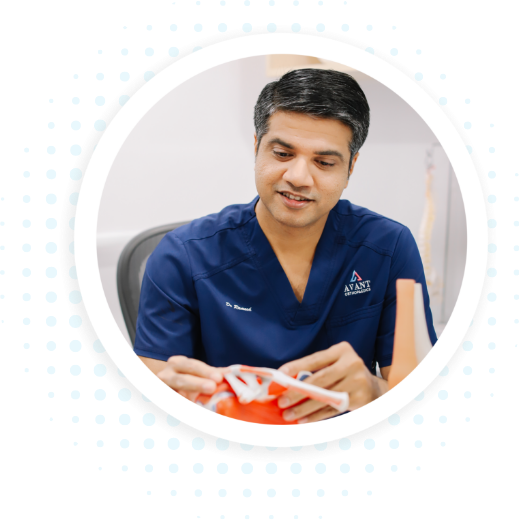
Dr Ramesh, a fellowship-trained orthopaedic surgeon, focuses on shoulder, knee, and arthroscopic sports surgery.
Dr Ramesh obtained his MBBS and Master’s in Orthopaedic Surgery from the National University of Singapore and completed Advanced Surgical Training. He earned his Fellowship from the Royal College of Surgeons of Edinburgh in Trauma and Orthopaedics. He was awarded the HMDP scholarship for a clinical fellowship in Shoulder and Knee Surgery in Dublin, followed by the Tan Tock Seng Scholarship for a Sports Fellowship in Knee Surgery in Barcelona. He also completed a Shoulder Surgery Fellowship at Hospital Del Mar and was trained in arthroscopic joint reconstruction and joint replacement surgeries.
Are You or Your Loved Ones Suffering from a Golfer's Elbow?
If you suspect that you or a loved one is suffering from a golfer’s elbow, book an appointment with us at Avant Orthopaedics to receive a personalised consultation. Seek professional help to receive a suited treatment plan and take steps towards a better quality of life.
Related Conditions
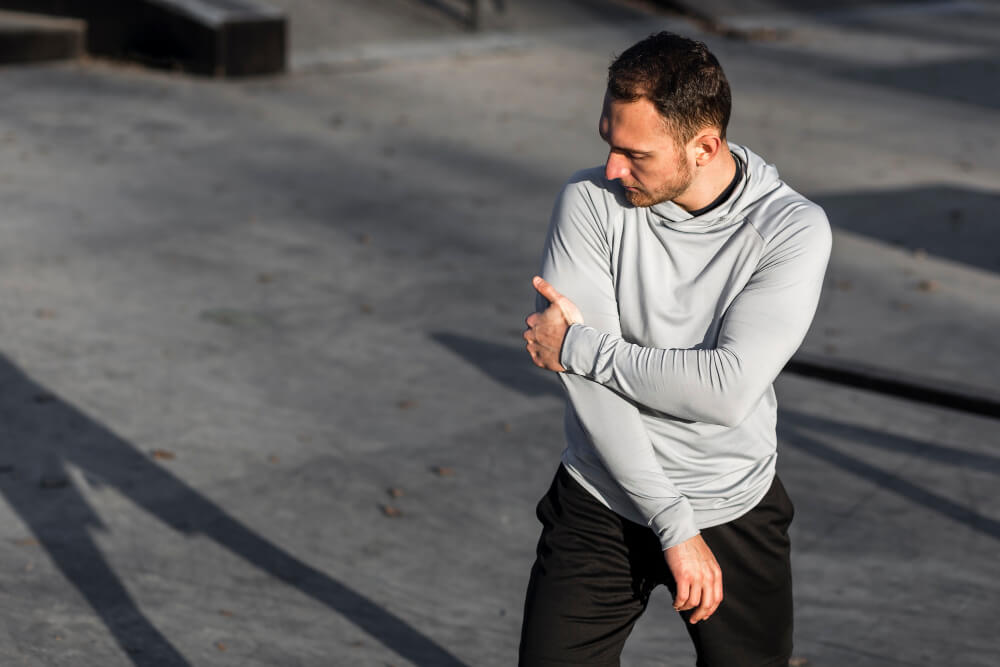
Biceps tendonitis is the inflammation of the upper part of the biceps, typically caused by overuse or injury to the biceps tendon. This tendon is a strong connective structure that connects the biceps muscle to the shoulder socket; while strong, overuse or injury can still cause gradual wear and tear, leading to inflammation and other complications.

The rotator cuff consists of several muscles and tendons surrounding the shoulder joint. It helps to stabilise the joint, allowing you to move your arms and lift objects.
Find Us Here
Novena
9 AM to 1 PM (Saturday)
Closed on Sundays and Public Holidays
Parkway
9 AM to 1 PM (Saturday)
Closed on Sundays and Public Holidays

