
Heel Spur Surgery & Treatment
Book An Appointment

What are Heel Spurs?
Heel spurs are bony growths that form on the underside of the heel bone (calcaneum). They typically develop over time and do not usually cause symptoms until much later. The most common symptoms are pain and discomfort when standing or walking, which can be significant enough to interfere with your daily activities. Heel spurs may also develop as part of a different condition, such as arthritis and Achilles tendinitis (inflammation of the Achilles tendon that connects the calf muscles to the heel bone).
Symptoms of Heel Spurs
Common symptoms of heel spurs typically include:
- Chronic heel pain, which feels like a sharp, stabbing sensation
- Pain or discomfort while walking or standing
- Swelling or inflammation
- Numbness or a tingling sensation around the heel
- Tenderness under the heel
Symptoms of heel spurs can sometimes be mistaken for something else, such as occasional heel pain that comes and goes. As such, a thorough medical consultation is necessary to accurately diagnose the condition and ensure you receive the appropriate treatment.
What Causes Heel Spurs?
There may be various reasons that cause the development of heel spurs.
Overuse
Placing repeated stress and strain on the heel and its surrounding structures can contribute to the formation of heel spurs. This often happens as a result of frequent physical activity, such as running and jumping, which can gradually strain the heel over time. Increasing the intensity or duration of exercise without properly warming up can also place further undue stress on the heel and increase the likelihood of heel spurs.
Poor Footwear Choices
Wearing shoes that lack proper support or cushioning, or do not fit well, could place additional strain and pressure on your heel. As a result, heel spurs may form over time.
Ageing
The heel’s flexibility and natural padding gradually decrease as we grow older, which could make the area more vulnerable to strain and the development of heel spurs.
Obesity
Excess body weight can place substantial strain and pressure on your heel, leading to tears that cause pain and discomfort, and eventually the formation of heel spurs.
Diagnosing Heel Spurs
The initial diagnosis usually begins with a physical examination, during which the doctor will ask questions about your overall health and the condition of your heel. They will review your medical history and carefully examine your heel, checking for areas of pain, discomfort, swelling, or stiffness. They may also assess your foot’s range of motion to see if certain movements complicate your symptoms.
If necessary, the doctor may perform imaging tests to closely examine your heel’s underlying structures and look for the root cause of your heel pain.
X-ray Imaging
X-ray imaging captures detailed images of your foot’s bones to help confirm that you have heel spurs. The doctor may also examine the images for other complications that will require treatment. X-rays can also help rule out other potential causes of heel pain, such as fractures.
Magnetic Resonance Imaging (MRI)
If necessary, an MRI scan can also capture detailed images of the soft tissues and nerves in your foot to assess for any damage or inflammation that may require treatment.
Treatment for Heel Spurs
Non-surgical Treatments for Heel Spurs
Heel spurs are often treated with non-surgical techniques that aim to help relieve pain and manage inflammation. If they are not causing significant pain or discomfort, they usually do not require removal.
Frequent Rest
Taking breaks in between physical activities can help ease pressure on the heel, giving it time to recover and reduce pain. You should regularly apply an ice pack to your heel for 20 minutes or so to reduce inflammation.
Pain Relief Medications
Over-the-counter pain medications, such as aspirin, may be prescribed to help manage pain and discomfort. If you are taking other medications, including blood thinners, please notify your doctor beforehand to prevent potential side effects.
Anti-inflammatory Medications
Doctors may prescribe anti-inflammatory medications or injections to alleviate pain and inflammation in your heel. This method offers targeted pain relief for mild to moderate heel pain.
Physical Therapy
Physical therapy sessions are guided to support your recovery and help prevent long-term pain through various exercises that stretch the heel and surrounding muscles. You can perform these exercises from the comfort of your own home.
Shockwave Therapy
Shockwave therapy is a very effective form of treatment for heel spur or plantar fasciitis. Using a externally applied probe, the area of inflammation is treated with shockwaves and this reduces pain, loosens the thickened and tight plantar fascia fibers inserting on the heel spur and also promotes blood flow to the area to stimulate healing. It may be needed for a few sessions for benefits to be experienced.
Surgical Treatments for Heel Spurs
While non-surgical treatments are typically sufficient for treating heel spurs, surgery may be necessary to treat severe pain or when non-surgical treatments are unable to provide long-term relief.
Heel spur surgery can be performed either through open or minimally invasive surgery. Open surgery involves making a large incision to gain direct access to where the heel spurs are growing. This allows the surgeon to surgically release the tight plantar fascia and sometimes remove the heel spurs and perform additional treatments where necessary. Open surgeries will leave a noticeable scar and may require a longer healing period.
A minimally invasive procedure, on the other hand, uses small incisions where the surgeon can insert specialised surgical tools to remove the heel spurs. One such tool is the arthroscope, which comes equipped with a camera and light, transmitting the visual imagery of the heel’s internal structures to a monitor. The surgeon may then use this to guide the surgical tools to where they are needed to remove the heel spurs. If necessary, the surgeon will perform additional procedures to address other complications.
Our Orthopaedic Doctor and Surgeon for Heel Spurs
Dr. Ramesh Subramaniam
MBBS (NUS, SG) | MRCS (Edinburgh, UK) | M Med (Ortho) (NUS, SG) | FRCS (Ortho) (Edinburgh, UK)
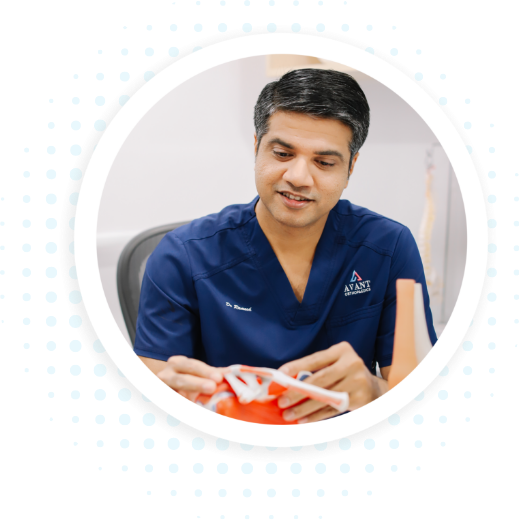
Dr Ramesh, a fellowship-trained orthopaedic surgeon, focuses on shoulder, knee, and arthroscopic sports surgery.
Dr Ramesh obtained his MBBS and Master’s in Orthopaedic Surgery from the National University of Singapore and completed Advanced Surgical Training. He earned his Fellowship from the Royal College of Surgeons of Edinburgh in Trauma and Orthopaedics. He was awarded the HMDP scholarship for a clinical fellowship in Shoulder and Knee Surgery in Dublin, followed by the Tan Tock Seng Scholarship for a Sports Fellowship in Knee Surgery in Barcelona. He also completed a Shoulder Surgery Fellowship at Hospital Del Mar and was trained in arthroscopic joint reconstruction and joint replacement surgeries.
Frequently Asked Questions
The general recovery time may range from several weeks to months, depending on the condition of your heel and other factors. Following your doctor’s post-surgery care advice can help promote your heel’s recovery.
Heel spur surgery or plantar fascia release is usually covered by insurance. Medical coverage may vary across different insurance providers. You should check with your insurance provider to ensure that heel spur surgery is covered under your policy.
Heel spurs are permanent growths that do not go away on their own and may only be removed through surgery. Treating the root cause of your heel spurs may help manage symptoms.
Related Treatments

Foot and ankle pain can manifest in various ways, and the symptoms you experience can vary based on the underlying cause of the pain. Here are some common symptoms.

Ankle arthroscopy is a minimally invasive surgical procedure that uses small incisions and a camera to diagnose and treat ankle pain, instability, ligament damage, impingement, scar tissue, and loose bone fragments to help restore mobility and function.
Find Us Here
Novena
9 AM to 1 PM (Saturday)
Closed on Sundays and Public Holidays
Parkway
9 AM to 1 PM (Saturday)
Closed on Sundays and Public Holidays

