
Hip Arthroscopy
Book An Appointment
Key Takeaways
- Hip arthroscopy is a minimally invasive surgical procedure used to treat various hip conditions.
- Hip arthroscopies can treat various hip conditions, including femoro-acetabular impingement (FAI), hip tendon tears, hip stiffness and loose bodies in the hip following dislocation injuries.
- The procedure involves inserting special arthroscopic instruments through incisions on the skin of your hip to examine the joint and perform surgery to address hip-related conditions or injuries.
- Recovery from hip arthroscopy has positive outcomes if you follow your doctor’s after-care instructions.

What is Hip Arthroscopy?
Hip arthroscopy is a minimally invasive surgical procedure that allows doctors to examine your hip and address any health concerns affecting it. The procedure involves making small incisions near the hip and using special surgical tools inserted into these incisions, allowing doctors to view the hip joint and perform corrective surgery. Hip arthroscopy may be chosen to help treat hip pain and labral tears, among other conditions, and is typically recommended only when non-surgical treatment methods fail to provide relief for the hip issues, you are experiencing.
Why is Hip Arthroscopy Performed?
The hip comprises a ball-and-socket joint: the ball is the femoral head at the top of the thighbone (femur), and the socket is the acetabulum, a part of the pelvic bone. The hip joint is naturally strong and sturdy due to various cartilage and ligaments, which allow for smooth movements and provide overall joint stability. However, sudden injuries such as falls and sports-related injuries can occur and impair the hip’s functions in various ways. These injuries may include damage to joint components such as the articular cartilage, which facilitates frictionless movements between the ball and socket.
Hip arthroscopy can help to treat these injuries and a host of other hip-related conditions.
Femoroacetabular Impingement (FAI)
Also known as hip impingement, this condition involves extra bone growth on either the ball or the socket of the hip joint. This overgrowth can damage surrounding tissues and nerves during movement, potentially causing further harm, including an increased long term risk of osteoarthritis.
Hip Dysplasia
This condition is characterised by a shallow socket, which prevents the ball from fitting correctly. When this occurs, significant stress is placed on the labrum to maintain the ball’s position in the socket, increasing the risk of labral tears.
Loose Bone/Cartilage
After a significant injury, loose bone and cartilage may remain in the joint space, causing considerable harm if left untreated.
Tendon Tears
Tendons around the hip can be torn due to an injury and can be re-attached via hip arthroscopy. Torn tendons can cause pain, discomfort and hip weakness anytime you stand, walk, or even lie down on your side.
Essential Considerations for Hip Arthroscopy
Before you agree to undergo hip arthroscopy, your doctor will need to inform you of what you can expect before, during, and after the procedure.
Recovery Outcomes for Hip Arthroscopy
Hip injuries can happen unexpectedly. Hip arthroscopy provides targeted treatments for various hip disorders through minimally invasive procedures, resulting in a shorter hospital stay compared to other surgeries. Most successful surgeries will require only around six weeks of rehabilitation, during which you may still need to use crutches to move around independently.
You will have to attend follow-up appointments to ensure your recovery proceeds smoothly, allowing your doctor to stay updated on your current well-being. They will advise you on whether you will continue needing medication or mobility aids to move around, accompanied by physical therapy sessions to improve your range of motion and flexibility.
Risk Factors of Hip Arthroscopy
Like any medical procedure, hip arthroscopy carries potential risks. Take the time to know these risk factors and ask questions about the procedure and its execution. Some risk factors include:
- Blood clots, such as deep vein thrombosis
- Damage to nearby tissues and nerves
- Numbness around the groin area
- Possible infection
- Cartilage damage
Preparations for Hip Arthroscopy
During the initial consultation, your doctor will review your medical history and perform additional diagnostic tests to determine if you are a suitable candidate for hip arthroscopy. A comprehensive examination will ensure your surgical procedure and eventual recovery proceeds safely. They may also ask a few questions regarding your current health, where you are experiencing pain, and other relevant questions.
Your medical team will inform you about your treatment and the general dos and don’ts in preparation for surgery. Take the time to discuss your condition, potential risk factors, and how you can prepare for the procedure with your doctor.
Before Hip Arthroscopy
It is advisable to discuss what to expect from the surgery with your doctor during the consultation. This checklist can help you prepare for the procedure.
- Current health: Certain conditions may increase the risk of complications post-surgery, so your doctor will need to review your health records thoroughly. If you are taking any medications, especially blood thinners or anything that prevents blood clots, inform your doctor immediately. You may need to switch to other medications or stop taking them temporarily.
- Fasting: You may need to avoid food and drinks for up to 6 hours before your hip arthroscopy. However, small sips of water are usually allowed to help you stay hydrated.
- Post-surgery assistance: It is recommended to have someone with you during the early stages of your recovery to assist with daily tasks at home or when going out.
- Lifestyle changes: Quit smoking, reduce your alcohol intake, exercise regularly, and attend all follow-up appointments with your doctor.
On the day of the surgery, you may undergo a final health assessment, which may include a review of your anaesthesia needs. After that, you will change into a surgical gown and wait for the procedure to begin.
During Hip Arthroscopy
You will be sedated or placed under general anaesthesia before the procedure begins. Once done, the surgeon will place your hip in traction, carefully pulling it away from the socket to gain access into the hip joint. They may draw markings on your hip to point out specific anatomical structures (including bone, blood vessels, and nerves) in the way, and to plan where the incisions for the arthroscopy will be made.
Once the surgeon is ready, they will make one or several small incisions on your hip to insert an arthroscope. The arthroscope is a specialised instrument equipped with a mounted camera that enables the surgeon to examine the hip joint in detail before starting the surgery. With the problem identified, they will insert other smaller surgical instruments to perform the necessary procedures.
Depending on the condition of your hip joint, the surgeon may perform any of the following:
- Trimming loose or torn cartilage or bone
- Repair the damaged labrum
- Remove bone spurs
- Remove inflamed tissue
- Stitch torn tendons or ligaments
Once the procedure is complete, the surgeon will close the incisions with stitches. The medical team will then take you to the recovery room for observation before you can return to the ward.
After Hip Arthroscopy
You may need to be monitored for a period to ensure your recovery progresses smoothly. However, you could be discharged earlier depending on your condition. Your doctor will go through several things with you to help you with your recovery, including what to do if any complications arise. Knowing how to care for your surgical wound, keep it clean, and maintain balance at home will be essential for your recovery. Pain medication may also be prescribed to relieve any discomfort after surgery.
Be sure to attend follow-up appointments with your doctor, as they will evaluate your hip’s condition and provide recommendations to facilitate your recovery and prevent unwanted complications. It is important to follow the postoperative care instructions provided by your doctor.
- Avoid strenuous physical activities, including weight-bearing, while your hips are still healing.
- Use crutches to move around to minimise the pressure placed on your hip. You may need to use them for a few weeks, depending on your rate of recovery.
- Exercise regularly at home to help your recovery and prevent gradual muscle degradation. Avoid over-exertion to reduce the risk of straining the surgical area.
- Attend physical therapy sessions to improve your hip’s condition and help hasten the recovery. Your physiotherapist will recommend various exercises to promote the healing of your hip.
- If you are prescribed medications to help with your recovery, ensure you take them at the stipulated times and dosage as set by your doctor. Contact them immediately if you experience any sudden side effects and stop taking the medications until instructed otherwise.
- Have someone available to support you when walking around the house or assisting with daily activities.
Frequently Asked Questions
If your job does not involve strenuous physical activity (such as manual labour), you may be able to return to work within one to two weeks after your surgery. However, this will still depend on various factors that can influence your recovery, so please consult your doctor beforehand.
No. In most cases, a successful hip arthroscopy will not require a partial or total hip replacement, especially if your hip function returns to normal within a few months after surgery. Partial or total hip replacement is only recommended if your hip has sustained a severe injury that cannot be treated effectively with arthroscopy, or if there is significant hip wear and tear noted during arthroscopic evaluation.
It is normal to experience some pain immediately after surgery and during the following weeks of recovery. Pain medication can help provide temporary relief, but if you continue to experience significant pain, contact your doctor immediately.
Our Orthopaedic Doctor and Surgeon for Hip Arthroscopy
Dr. McGraw
M.B.Ch.B. | M.R.C.S. (Lon) | F.R.C.S. (Tr & Orth)
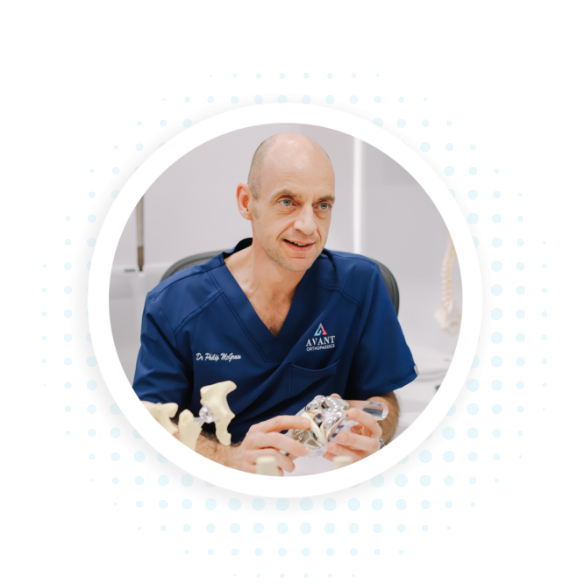
Dr. McGraw is a practising orthopaedic and trauma surgeon at Mount Elizabeth Novena Hospital and Parkway East Hospital.
His special interests and expertise include the management of all aspects of hip and knee conditions, in addition to general orthopaedic and trauma surgery.
Born and bred a Yorkshireman, Dr. McGraw studied Dental Surgery at Newcastle-Upon-Tyne in the United Kingdom. Upon qualifying, he worked as a Maxillofacial surgical trainee before undertaking his dental fellowship at The Royal College of Surgeons London and then commencing his studies in Medicine at Manchester University. He subsequently decided to change tack and completed his training as an Orthopaedic Surgeon in the northwest region of England. Dr. McGraw completed his training by undertaking two fellowships in hip and knee surgery at Wrightington Hospital in the UK. He was appointed as Consultant Orthopaedic Surgeon at Bury & North Manchester General Hospitals in 2012. Whilst at these hospitals, he kept up with the waiting list issues by dedicating his weekends to work in waiting list initiative lists at Wrightington Orthopaedic Hospital.
Related Treatments

Early-onset osteonecrosis of the hip may be treated with nonsurgical methods, but it only manages symptoms and prevents the condition from rapidly worsening. Surgery is your best bet for treating osteonecrosis of the hip, with early-stage cases requiring minimally invasive procedures to help with your recovery.

Hip core decompression is a minimally invasive surgery used to treat avascular necrosis (AVN) by relieving pressure within the femoral head and improving blood flow to the bone. The procedure helps slow or stop bone collapse, reduce hip pain, and preserve joint function. It is recommended for early-stage AVN and may be combined with bone grafting or biologic therapies to enhance healing.
Find Us Here
Novena
9 AM to 1 PM (Saturday)
Closed on Sundays and Public Holidays
Parkway
9 AM to 1 PM (Saturday)
Closed on Sundays and Public Holidays

