
Hip Core Decompression Surgery
Book An Appointment

What is Hip Core Decompression Surgery?
Hip core decompression surgery is a surgical procedure used to treat hip osteonecrosis, also known as avascular necrosis (AVN). AVN is a medical condition where bone tissue (specifically, the femoral head that connects the thighbone to the pelvis) gradually dies due to interrupted blood flow. Over time, this can cause the bone to become brittle and may eventually lead to arthritis. Pain may occur as a result when there is increased blood pressure in the blood vessels due to this condition.
The hip is a ball-and-socket joint that helps you support your body weight and overall balance while allowing for leg movements. It is also surrounded by various structures, including muscles, ligaments, and tendons, which help protect the bones and manage leg movements.
Hip core decompression surgery aims to create new channels for blood vessels to reach the femoral head and other affected areas of the hip. In doing so, it may help prevent bone death by restoring blood flow to the femoral head to allow healing,thus allowing it to function normally.
Who Can Benefit from Hip Core Decompression Surgery?
The hip joint may be susceptible to injuries or conditions that affect blood circulation to the femoral head and other surrounding bone structures. Prompt treatment may help to reduce the risk of complications, including AVN, and may be recommended for individuals who are at high risk of developing this condition. Risk factors for developing this condition are:
- Senior citizens above the age of 60.
- Individuals undergoing radiotherapy for medical conditions such as cancer, as radiation can gradually weaken the bone.
- Individuals receiving high doses of corticosteroids, as these have a risk of causing AVN due to increased lipid levels that may affect blood circulation.
- Fatty deposits in blood vessels due to artherosclerosis. The fat, called lipids, can block small blood vessels. This can reduce the blood supply to the femoral head
- Injuries, such as hip dislocation or fracture, can damage nearby blood vessels and reduce blood flow to bones.
- Drinking too much alcohol. Having several alcoholic drinks a day for several years also can cause fatty deposits to form in blood vessels.
- Decompression sickness, also known as diver’s disease or the bends.
- Certain diseases. Medical conditions, such as sickle cell anemia, lupus, antiphospholipid syndrome and Gaucher disease, among others, also can lessen blood flow to bone.
How is Hip Core Decompression Performed?
During the initial consultation, your doctor will review your medical history and may perform additional diagnostic tests such as Xrays and MRI scan, to determine whether you are a suitable candidate for a hip core decompression surgery. They may also ask further questions to help them develop an appropriate treatment plan for your condition. The doctor will explain the procedure in detail while providing guidance on how to prepare for surgery.
Before Hip Core Decompression Surgery
Your doctor may inform you of additional precautions and other relevant information that will help you in preparing for the surgery.
- Current health: Certain medical conditions can increase the risk of complications after surgery. A comprehensive medical assessment may help to ensure you are suitable for hip core decompression surgery. If you are currently taking medications, especially blood thinners, you may be advised to switch to other alternatives or stop taking them temporarily.
- Illness: If you are feeling unwell on the day of your surgery, notify your doctor as soon as possible. The procedure may be postponed depending on your condition.
- Fasting: You may be required to fast for 6 hours before surgery. However, you should continue to stay hydrated with plain water.
- Health evaluations: If you have any dental or urinary procedures scheduled before your surgery, rescheduling them may be necessary to minimise the risk of infection or other complications.
- Post-surgery support: After you have been discharged, it may be helpful to have someone assist with daily activities or accompany you when going out.
- Lifestyle changes: Avoiding smoking, reducing alcohol intake, engaging in regular physical activity, and attending follow-up appointments may support your recovery and overall health.
On the day of surgery, a final medical check and a review of your anaesthesia needs are typically conducted. After this, you will change into a surgical gown and wait for the procedure to begin.
During Hip Core Decompression Surgery
Hip core decompression surgery is usually performed via a minimally invasive procedure known as arthroscopy. It involves making a small incision at the hip, allowing surgical instruments to be inserted to perform the surgery on the affected hip joint. An arthroscope, which includes a camera and light, is also inserted to allow the surgeon to view the hip joint clearly and perform the necessary surgical procedures. Alternatively, a fluoroscopy may be performed. This procedure uses X-rays and a contrast dye to provide real-time visual guidance during the surgery.
After an incision is made, a guide wire is carefully inserted to reach the necrotic area in the femoral head. A hole is then drilled along the wire to promote the growth of new blood vessels to improve blood supply to the bone and encourage healing. This process also helps to reduce pressure in the blood vessels and minimize the risk of complications. If necessary, a bone graft taken from your body (autograft) or a donor (allograft) is used to fill the cavity where the necrotic bone originally was. In some cases, the graft may also incorporate synthetic materials or a combination of natural and artificial materials.
Once the procedure is complete, the surgeon will perform one last inspection before closing the incisions with sutures. The medical team will then take you to the recovery room for observation before you can return to the ward.
After Hip Core Decompression Surgery
You may need to be monitored for a period to ensure your recovery proceeds smoothly. However, depending on your condition, you may be discharged earlier. For minor cases, recovery from a hip core decompression surgery may take a few weeks, while severe symptoms may require months of recovery.
Ensure that you follow your doctor’s postoperative care instructions to support a smooth recovery with minimal complications.
- Avoid strenuous physical activities, including weight-bearing exercises, that could hinder your recovery if complications (such as recurring pain) suddenly arise.
- Use crutches to reduce the pressure placed on your hip while moving around. You may need to use them for several weeks or months until your doctor says otherwise.
- Avoid walking or standing for too long while you recover. Using ice packs regularly can help manage pain, swelling, and other discomfort you may experience.
- If your doctor provides prescriptions for your recovery, take them at the specified times and according to the recommended dosage. If you experience any sudden side effects, stop taking the medications and notify your doctor immediately.
- Attend physical therapy sessions to support the hip’s gradual recovery while improving stability. Your physiotherapist will recommend and guide you through the various exercises to aid the healing process.
- You may need to adjust your level of physical activity even after the recovery period. Consult your physical therapist for further guidance.
- Have someone who can help support you when you need to walk around the house and assist with activities of daily living.
What are the Risks of Hip Core Decompression Surgery?
Hip core decompression surgery may come with certain risks. Your doctor will inform you of these to help you understand the details of the surgical process. Take the time to understand these risks and ask questions to clarify any concerns or doubts you may have. Some potential risk factors include:
- Bleeding
- Infection at the surgical site
- Fracture due to weakened bone from the drilling process
- Blood clots
- Nerve or tissue damage
- Hip instability
- New or persistent symptoms that may require additional treatment
It may help to follow your doctor’s postoperative care instructions to reduce the risk of complications during recovery.
Frequently Asked Questions
Recovery can take several weeks to three months, if not more, depending on your overall recovery. It may take a few months for new bone and blood vessels to form in your hip joint. You may need to use crutches or walkers for 6 to 12 weeks to minimize weight-bearing on the hip joint and prevent complications that can further delay your overall recovery.
You should follow your doctor’s advice carefully to minimize weight-bearing activities that can impact your hip joint’s recovery. Start with light activities recommended by your physical therapist or doctor, and gradually increase your activity level as your condition improves. As long as you do not overexert yourself, your recovery should progress smoothly.
The sooner you can receive treatment for it, the higher your chances of avoiding severe complications caused by AVN. If you are worried that you may be experiencing signs or symptoms of AVN, see a qualified medical professional immediately for a prompt diagnosis.
Our Orthopaedic Doctor and Surgeon for Hip Core Decompression Surgery
Dr. McGraw
M.B.Ch.B. | M.R.C.S. (Lon) | F.R.C.S. (Tr & Orth)
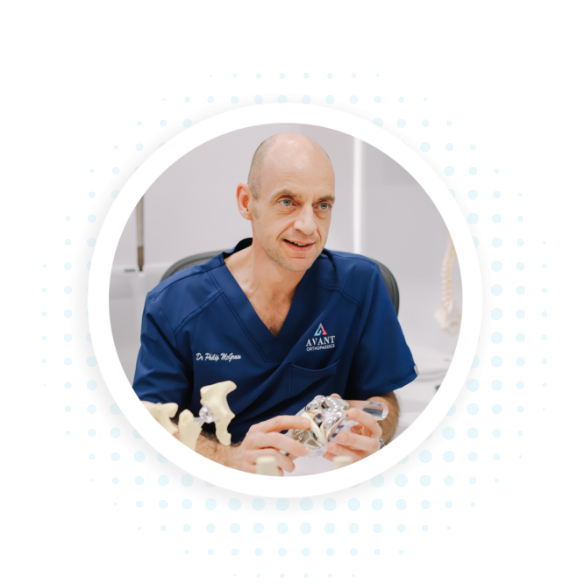
Dr. McGraw is a practising orthopaedic and trauma surgeon at Mount Elizabeth Novena Hospital and Parkway East Hospital.
His special interests and expertise include the management of all aspects of hip and knee conditions, in addition to general orthopaedic and trauma surgery.
Born and bred a Yorkshireman, Dr. McGraw studied Dental Surgery at Newcastle-Upon-Tyne in the United Kingdom. Upon qualifying, he worked as a Maxillofacial surgical trainee before undertaking his dental fellowship at The Royal College of Surgeons London and then commencing his studies in Medicine at Manchester University. He subsequently decided to change tack and completed his training as an Orthopaedic Surgeon in the northwest region of England. Dr. McGraw completed his training by undertaking two fellowships in hip and knee surgery at Wrightington Hospital in the UK. He was appointed as Consultant Orthopaedic Surgeon at Bury & North Manchester General Hospitals in 2012. Whilst at these hospitals, he kept up with the waiting list issues by dedicating his weekends to work in waiting list initiative lists at Wrightington Orthopaedic Hospital.
Related Treatments

Hip arthroscopy is a minimally invasive surgery that uses small incisions and a camera to diagnose and treat hip conditions such as labral tears, impingement, tendon injuries, and loose bone or cartilage. It helps relieve pain, restore mobility, and support faster recovery compared to open surgery.

Low-grade labrum tears usually won’t affect your lifestyle too much, but it’s important to take care of yourself to prevent it from worsening. Labral repair or reconstruction is the best way to completely restore its functions; make sure to get sufficient rest to allow it to heal properly.
Find Us Here
Novena
9 AM to 1 PM (Saturday)
Closed on Sundays and Public Holidays
Parkway
9 AM to 1 PM (Saturday)
Closed on Sundays and Public Holidays

