
Hip Instability: Causes, Symptoms and Treatments
Book An Appointment
Key Takeaways
- Hip instability, or loose hips, refers to damaged or weakened hip structures that can disrupt one’s ability to carry out day-to-day activities.
- There are several types of hip instabilities: Traumatic instability, atraumatic instability, chronic instability, and micro-instability.
- Common symptoms of hip instability include pain in the hip joints, cracking or popping sound during hip movement, and the hips “giving out”.
- Acute cases of hip instability may be treated with conservative treatments such as medications and physical therapy alongside assistive devices.
- If hip instability is left untreated, the condition may worsen, and only surgical treatments can treat the symptoms.
What is Hip Instability?
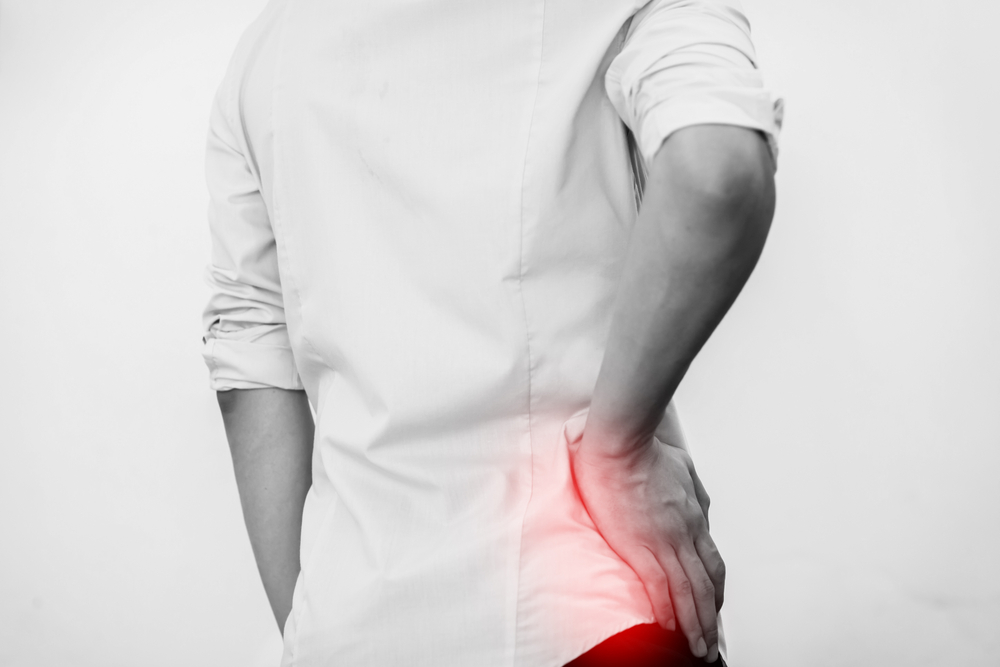
Hip instability, also known as loose hips, is a condition that describes the hip joint as being excessively loose or making abnormal movements, appearing “wobbly” with every motion. As a result, one may experience hip discomfort and pain, or even the feeling that their hip is failing or “giving out” during physical activities. This condition is usually caused when the hip ligaments, muscles, and tendons—structures that stabilise the hip joint—are damaged or weakened, thus causing the hip to become unstable and have an uncontrolled range of motion.
The hip is a crucial part of the body that helps support upper body weight while doing basic daily activities like standing, walking, and running– where all these activities require proper hip stability. The hip comprises several vital structures: the femur or the thigh bone; the acetabulum or the hip bone; the labrum or tissue rim that seals the hip joint; and the ligaments that maintain hip stability. If any of these structures are injured or damaged, it may lead to hip instability. Diagnosing hip instability is the first step to detecting other hip conditions that may follow, such as hip dislocations, both partial and complete, and micro-instability, which is the subtle looseness in the hip joint without a significant shift in the hip’s position.
Types of Hip Instability
Traumatic Instability
Traumatic hip instability refers to loose hips that occur as a result of traumatic events such as car accidents or sports injuries. Hip instabilities caused by traumatic events can result in hip dislocations of varying degrees, either partial dislocation (subluxation) or complete dislocation, in which the femoral head is not aligned with the hip bone. Traumatic hip instabilities require urgent medical attention as the hard impact may damage bone structures (femur and pelvis) and soft tissues (cartilage, ligaments, muscles, and tendons). The dislocated hip needs to be reduced back into the joint as soon as possible to avoid long term damage to the joint.
Atraumatic Instability
Atraumatic hip instability is typically caused by deformities in the anatomy, such as developmental hip diseases like hip dysplasia, joint hypermobility syndrome, and neuromuscular disorders. Genetic conditions and recurring overuse of hip joints, such as hip tendinitis/bursitis, may also cause atraumatic hip instabilities due to hip musculature weakness or fatigue.
Chronic Instability
Chronic hip instability refers to existing hip disorders and injuries that have been left untreated for a prolonged period and are pressured with more trauma on and overuse of the hip joints. As a result, chronic hip instability can disrupt your ability to carry out basic daily tasks like standing, walking, and running.
Micro-instability
Micro-instability of the hip occurs when there is excessive movement of the femoral head within the hip socket, resulting in damage to surrounding hip structures, such as labral tears and strained ligaments. As a result, the muscles surrounding the hip overwork themselves to keep the hip stable, which may result in pain and inflammation. The affected hip will grow weak over time, further increasing the degree of instability.
What Causes Hip Instability?
Many factors can lead to one developing loose hips. Common causes of hip instability include:
Congenital problems
Some patients are born with issues in the hip joint, such as hip dysplasia; where the hip joint does not fit accordingly into the socket due to shallow socket malformation. This dysfunction may increase the risk of having a hip joint dislocation.
Extreme overuse of hip joints
Repeated and overuse of hip joints in physical activities with extreme ranges of motion, such as dancing and swimming, can stretch and damage ligaments in the hip joint, causing atraumatic hip instability.
Genes
Genetic disorders like Down syndrome cause soft tissues like ligaments and muscles to be looser; while Ehlers-Danlos syndrome can cause the joints to become overly loose and hypermobile, making hip instability more likely.
Injuries at the hip
Injuries, strains, and stretches at the hip joints can cause tears at the ligaments and the labrum—the cartilage that connects the thigh bone to the hip socket—which affects the joints’ ability to support the hip.
Pregnancy
During pregnancy, a woman’s body weight shifts frontwards, disrupting the natural alignment of the spine, thus putting extra strain on the hips and joints. Additionally, fluctuating hormone levels can potentially loosen the pelvis as it prepares for childbirth.
Traumatic events
Vehicle accidents and collisions or sports injuries can cause a hard blow on the hips, which may result in hip instability or worse cases like partial or complete hip dislocation.
What are the Risk Factors of Hip Instability?
Anyone of any age group can develop loose hips, but the following factors can increase the risk of hip instability:
- Falls: Falling or having a direct impact on your hips can cause your hip joints, bones, and soft tissues to be significantly damaged.
- Age: Older people are at higher risk of developing hip instability due to the natural wear and tear of soft tissues like muscles, ligaments, and tendons. A simple fall may badly damage their hip.
- Previous injuries: If you have previously had a hip injury, such as from a car accident or a sports injury, you face a higher risk of developing hip instability.
- Hypermobile activities: Athletes involved in sports that use repetitive high hip flexion movements, such as dancing, gymnastics, martial arts, and swimming, are more at risk of developing hip instability.
What are the Symptoms of Hip Instability?

A symptom most commonly associated with hip instability is pain around your affected hip joint or groin area. It is essential to have a medical expert meticulously determine the source of the pain, as the symptoms of hip instability often exhibit similar traits to groin injuries.
Other symptoms and signs of hip instability include:
- Laxity of hip joints, which makes you feel like they shift out of place when you walk.
- The feeling of grinding and snapping at the joints when you move your hip.
- Probable dislocation or subluxation of the hip from its socket produces a clicking or popping sound.
- Hypermobility or uncontrolled movement of the hip joints, resulting in an unusually large range of motion of the hips.
- A sudden sensation of the hip “giving away” followed by a sharp pain.
How to Diagnose Hip Instability?
Diagnosing hip instability includes a thorough medical consultation with your doctor, during which you will discuss your medical history in detail, including past hip injuries, so that the doctor can rule out any possible causes of hip instability. Then, you will have to undergo a physical examination and a series of imaging tests to determine the severity of your loose hips and the following treatment methods.
Physical examinations
A physical test known as the Prone Instability Test assesses the stability of your front hip joint. This test requires you to lie in a prone position on the examining table with your legs over the edge and your feet resting on the floor. The doctor will flex your knee and slightly rotate your leg externally, then apply downward pressure to the hip. Any signs of pain or excessive movement are noted, as they may indicate hip instability.
Imaging tests
X-ray scans

X-ray scans will allow your doctor to see the condition of the bones in your hip joint and check for other issues such as dislocated hips. This imaging test will include an anteroposterior (AP) image of the pelvis and a lateral image of the affected hip.
Arthrogram
A hip arthrogram is employed if X-ray scans cannot show the details of the affected joint structure. This process involves injecting a contrast dye directly into your joint before proceeding with image scans of your hip joints.
CT scans
A computed tomography (CT) scan can provide clearer images of the hip joint than X-ray scans, as the images provide fine cross sectional views of the hip joint. CT scans of the hip can give preoperative information that may be useful for subsequent surgery if needed.
MRI scans
A Magnetic Resonance Imaging (MRI) scan of the hip can detect any issues within the hip joints, providing clear images of the bones, cartilage, soft tissues, and blood vessels from all angles. Hip MRI scans may also detect diseases and conditions in the hip that regular X-ray scans cannot distinguish, such as arthritis or bruises on the hip bone.
How to Treat Hip Instability?
Treatment options for loose hips vary according to the severity of your case. Generally, non-surgical methods are appropriate for patients with mild hip instability, while surgical procedures are required to treat severe and chronic cases of hip instability or chronic hip pain to avoid the risk of other health complications.
Hip Instability Treatment without Surgery
Assistive Devices

If you have an acute case of hip instability, you may first be introduced to using assistive devices, such as a cane, crutch, or walker, to protect your hips from bearing excess weight as you walk or stand. Other assistive devices, such as cushions and specialised beds and mattresses, can help correct your hip positioning during sleeping or offloading.
Lifestyle Modifications
Making appropriate lifestyle modifications, such as losing weight and keeping an active lifestyle, can help alleviate symptoms of hip instability. By losing or maintaining a healthy weight, you can reduce pressure placed on the hip joints. On the other hand, keeping active by doing low-impact exercises that do not over-exert yourself is ideal to strengthen your hip muscles.
Medication
Over-the-counter pain relief medications such as acetaminophen and ibuprofen are commonly prescribed to ease hip pain. Aside from oral medication, topical treatments such as creams, patches, and rubs may also be helpful to reduce inflammation of the hip joints.
Physical Therapy

Physical therapy is vital to help you regain hip muscle strength and tighten the range of motion of your hips—ensuring they are not too loose in movement. This physical therapy includes gentle, targeted exercises that can improve the stability around the hip structures, including the pelvis and lumbar (or lower) spine. Attending physical therapy for the hip at least three to four times a week can help stabilise the hip joints and improve your quality of life.
Hip Instability Treatment with Surgery
If non-surgical treatments do not show any improvement in symptoms of hip instability or, if you have a severe case of hip instability, then you may be recommended surgical treatment.
Hip Arthroscopy
This minimally invasive procedure involves the insertion of a small camera—known as the arthroscope—through a small incision at the hip, allowing the surgeon to see inside the hip joint to identify the cause of your hip instability. Hip arthroscopy gives a clear visual of damage to the hip joint, including labral tears and abnormalities with the surrounding bones.
Total Hip Replacement
Total hip replacement surgery, or total hip arthroplasty, is only used when your hip is in severe pain caused by chronic conditions such as arthritis or dysplasia. This surgical procedure involves removing the affected bone and cartilage and replacing them with prosthetic components that are fitted back into the hip. Total hip replacement may effectively reduce pain and restore stability in the hip joints.
Frequently Asked Questions (FAQ)
Hip instability or loose hips is not a chronic illness and can be cured, provided you get an immediate diagnosis and treatment. If left untreated, the condition may worsen, putting you at risk of developing chronic hip pain, which will limit your ability to carry out basic daily activities.
Yes, hip instability can be cured with immediate diagnosis and regular treatment. Especially if you have acute loose hips, regular conservative treatment such as physical therapy, medications, and activity modification can help you regain hip stability, allowing you to carry out physical activities more comfortably.
You can sleep on your back or the side with the unaffected hip. Sleeping on your back helps to evenly distribute your weight, preventing any one of the hip joints from getting strained. This position can be supported by putting a pillow under your knees. On the other hand, sleeping on the unaffected side with a pillow between your knees will keep your hips in a stable, more naturally aligned position, which will help alleviate strain on the affected hip joint.
Orthopaedic Doctor for Hip Instability in Singapore
Dr. McGraw
M.B.Ch.B. | M.R.C.S. (Lon) | F.R.C.S. (Tr & Orth)

Dr. McGraw is a practising orthopaedic and trauma surgeon at Mount Elizabeth Novena Hospital and Parkway East Hospital.
His special interests and expertise include the management of all aspects of hip and knee conditions, in addition to general orthopaedic and trauma surgery.
Born and bred a Yorkshireman, Dr. McGraw studied Dental Surgery at Newcastle-Upon-Tyne in the United Kingdom. Upon qualifying, he worked as a Maxillofacial surgical trainee before undertaking his dental fellowship at The Royal College of Surgeons London and then commencing his studies in Medicine at Manchester University. He subsequently decided to change tack and completed his training as an Orthopaedic Surgeon in the northwest region of England. Dr. McGraw completed his training by undertaking two fellowships in hip and knee surgery at Wrightington Hospital in the UK. He was appointed as Consultant Orthopaedic Surgeon at Bury & North Manchester General Hospitals in 2012. Whilst at these hospitals, he kept up with the waiting list issues by dedicating his weekends to work in waiting list initiative lists at Wrightington Orthopaedic Hospital.
Related Conditions

Hip bursitis is a condition characterised by inflammation of the hip bursae, small, fluid-filled sacs that cushion the spaces around bones and other tissues during joint movement. The hip contains two major bursae that are at risk of bursitis: the trochanteric bursa and the iliopsoas bursa.

Also known as avascular necrosis (AVN) or aseptic necrosis, osteonecrosis (Latin for “bone death”) of the hip is a condition in which the blood flow to the head of the thighbone (the femoral head) is obstructed. Much like other parts of your body, bone tissue needs to be renewed periodically to ensure your bones stay healthy and strong for a long time. After all, blood is vital in carrying the nutrients and oxygen the body needs to maintain its functions and vitality.
Find Us Here
Novena
9 AM to 1 PM (Saturday)
Closed on Sundays and Public Holidays
Parkway
9 AM to 1 PM (Saturday)
Closed on Sundays and Public Holidays

