

How to Relieve Back Pain Without Surgery
Share Now:
Back pain is a common condition that many people experience at various points in their lives. When left untreated, back pain can worsen and significantly disrupt your daily life. Fortunately, there are actions you can take to relieve back pain symptoms without surgery.
Common Causes of Back Pain
Back pain typically results from a back injury or from ageing. Some common causes include:
- Poor physical health
- Muscle or ligament strain due to overuse or trauma
- Poor posture that places pressure on your spine
- Herniated or damaged intervertebral discs
- Arthritis/osteoarthritis of the spine
- Spinal stenosis (narrowing of the spinal canal, putting pressure on nearby nerves)
- Osteoporosis (a condition that weakens the bones and when the vertebra is fractured)
- Smoking leading to degeneration of discs
- Obesity and poor weight management
Seeing a doctor can help identify the cause of your back pain and recommend the most suitable treatment plan to manage your symptoms and minimise the risk of complications.
Nonsurgical Treatments for Back Pain
Conservative (nonsurgical) treatments are prescribed by your doctor to alleviate symptoms and provide temporary pain relief that should allow you to go about your day without difficulties.
Medications
Your doctor may prescribe pain relievers such as nonsteroidal anti-inflammatory drugs (NSAIDs) to treat back pain symptoms. These may be prescribed alongside other medications, such as muscle relaxants and topical treatments. Take the medications only as prescribed by your doctor to avoid side effects.
Physical Therapy
A physical therapist will first assess your back to understand your treatment needs. They will then design a personalised exercise programme that takes your well-being and comfort into account, gradually improving your strength, flexibility, and pain tolerance. Sessions are held in both a clinical setting and at home, where you will regularly perform targeted exercises to treat your back pain.
Epidural Injections
Epidural injections are a minimally invasive procedure that involves injecting anti-inflammatory medication directly into the epidural space surrounding the spinal cord and nerves. This procedure provides temporary relief from pain and inflammation caused by spinal conditions and may be prescribed alongside other treatments, such as physical therapy. These injections are performed only when the root cause of your back pain is known, but they may also help rule out certain causes if they do not work.
Home Remedies to Relieve Back Pain
You can also try several home remedies to relieve back pain symptoms while you are not attending any ongoing treatments.
Hot and Cold Packs
Apply hot and cold packs at regular, alternating intervals. Hot packs help relax tense muscles, while cold packs help reduce pain, swelling, and inflammation.
Regular Stretches
Stretching your body when you wake up and before exercise may help relieve muscle tension and tightness, both of which can exacerbate back pain. Regularly stretching them helps gradually relieve this tension and improve your back’s flexibility.
Lifestyle Changes
Gradual changes to your lifestyle habits can also help to relieve your back pain. These may include:
- Pacing yourself when performing activities of daily living or work.
- Adopt a proper posture when lifting heavy objects to reduce the strain.
- Maintain good posture even during sleep to reduce pressure on your spine.
- Maintain a healthy weight to minimise strain on your back.
- Cut down on alcohol consumption and quit smoking to maintain your well-being.
- Sit and stand with the right posture.
- Walk every so often if you spend much time sitting for work or other activities.
Dietary Adjustments
A healthy, well-balanced diet may ensure you receive sufficient nutrition to support your physical well-being and minimise symptom severity. Include more fruits and vegetables, fatty fish, and healthy (monounsaturated) fats, while reducing your intake of processed and oily foods, sweet and carbonated beverages, and refined carbohydrates. Complement your diet with regular exercise to maintain a healthy weight, as excess body weight places additional strain on your back and increases the risk of pain.
Relaxation Techniques
Frequent back pain can be frustrating, so incorporating meditation and mindfulness techniques can help you stay relaxed and centred. Stress is a known trigger for muscle tension, a natural response that protects the body from injury and pain. As such, relaxation techniques can reduce stress and anxiety, which in turn ease muscle tension and pain sensitivity in your back.
Light Physical Activity
Movement is still essential for your physical health, even when you are experiencing back pain and discomfort. Light physical activity, such as short walks, can still help alleviate your condition alongside exercise, physical therapy, and other activities. Set aside time between activities for a short walk to ease back pressure and pain and support a healthy weight.
Set a Schedule
Plan your days with all of these tips and ongoing treatments in mind. Incorporate some movement throughout the day to stay active, and consult a nutritionist for assistance with your daily nutrition needs. Try to switch things up occasionally to keep things fresh.
Why See a Chronic Pain Specialist for Back Pain
In some instances, it may be difficult to pinpoint the exact cause of your back pain even after undergoing various diagnostic tests. Under such circumstances, seeing a chronic pain specialist can help determine the source of your back pain and conduct the necessary evaluations to treat it. Ideally, surgery should only be considered after other non-invasive treatment options have been explored. A comprehensive pain management plan may help reduce symptom severity and allow you to live a fulfilling life with minimal disruption from your back pain.
Contact Avant Orthopaedic today to learn more about our chronic pain management and treatment.
Frequently Asked Questions (FAQs)
Is bed rest alone sufficient to treat back pain?
No, it always helps to move as often as you can to prevent your back pain from worsening. Sedentary lifestyles may worsen back pain, delay your recovery, and increase your risk of blood clots in your legs, as your muscles may lose tone.
How frequently should I exercise to relieve my back pain?
Try to aim for at least 20 minutes of light exercise three times a week, but adjust your physical activities to your current level of physical health. Slowly increase the frequency and duration of sessions, as well as the types of exercises you perform, as your condition steadily improves. Always consult your doctor or physical therapist for further support.
When do I see a doctor for back pain?
If your back pain symptoms seem to be worsening even with treatment, or you are regularly experiencing complications (such as frequent loss of bladder control), you should seek medical attention immediately for prompt treatment. Delaying treatment could adversely affect your overall recovery.
Our Doctor for Back Pain Relief
Dr. Razmi
FAMS (Ortho) | M Med (Gen Surg) (SG) | FRCSEd (Gen Surg) | MBBS (SG)
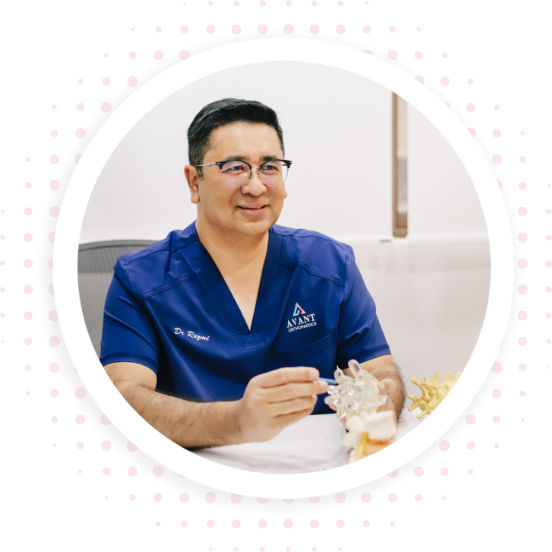
Dr. Razmi, a practicing orthopaedic and spine consultant at Mount Elizabeth Novena Hospital.
Dr Razmi routinely performs discectomy (minimally invasive surgery), decompression surgery, spinal fusion, motion preservation surgery including dynamic stabilization and dynamic fusion technologies and lumbar and cervical disc replacements. He is the first surgeon in Singapore to perform stand-alone anterior approached spine fusion using the Synfix implant.
Dr. Hope Ang
MBBS (NUS) | MMed (Anaes) | FAMS

Dr Hope Ang is a Consultant Anaesthesiologist with extensive expertise in acute and chronic pain management, dedicated to helping patients regain function, reduce suffering, and improve quality of life through evidence-based, personalised care.
With more than 18 years of clinical experience, Dr Ang specialises in the assessment and treatment of complex chronic pain conditions, including musculoskeletal pain, neuropathic pain, cancer-related pain, and persistent postoperative pain. His approach integrates interventional pain procedures, ultrasound-guided regional techniques, multimodal pharmacological strategies, and close collaboration with multidisciplinary care teams to address both the physical and functional impact of chronic pain.
Related Posts


3 years ago

3 years ago
Related Service
No Related Services Founds.

