
Knee Arthroscopy
Book An Appointment
What is Knee Arthroscopy?
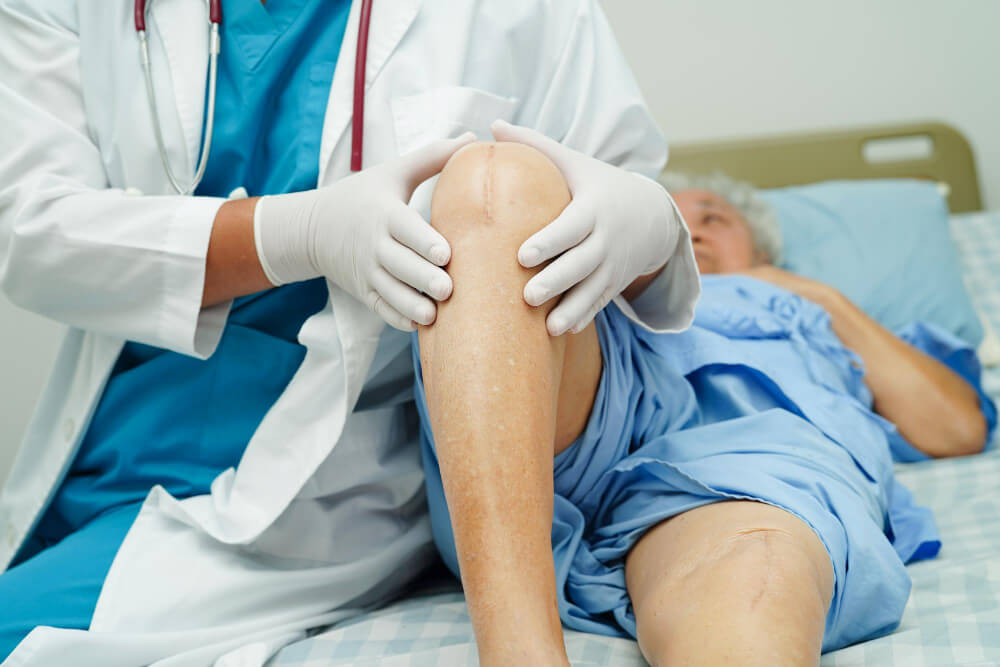
A knee arthroscopy is a minimally invasive surgical procedure that allows doctors to examine and treat your knee in the event of an injury or medical condition. This procedure uses an arthroscope, equipped with a light and a camera, which is inserted into a small incision made on your knee. This allows the medical team to view the knee joint and its surrounding structures to perform surgical treatment.
The knee joint is the largest in the body and is responsible for supporting your upper body and allowing your legs to move and bend. When you sustain an injury to the knee, it can cause damage to the joint or the surrounding structures, which can limit your mobility and flexibility.
A knee arthroscopy is only recommended if standard non-surgical treatments are unable to provide relief to your knee’s condition(s). Some people may not experience symptoms after a knee injury until much later, while others may experience symptoms almost immediately after the injury occurs.
What Conditions Does Knee Arthroscopy Treat?
Knee arthroscopy may help to treat various conditions that affect the mobility and flexibility of the knee, while also providing pain relief.
Ligament Injuries
Ligaments are soft tissues that connect the thigh bone (femur) in your upper leg to the lower leg bones (tibia and fibula). Ligaments can get injured due to a sprain or other injury, which can cause a tear to form. A knee arthroscopy may help treat such injuries by using arthroscopic repair or reconstruction techniques.
Tendon Tears
Tendons connect various muscles to the knee joint to facilitate movement. A tendon tear could impair your mobility and stability, so knee arthroscopy may help address this injury by mending the tear or replacing the tendon if it is severely damaged.
Meniscus Tears
The meniscus is a thick collagen tissue that cushions and stabilizes the knee joint. Any damage to it may cause significant pain whenever you bend or straighten your knee. A knee arthroscopy can help to identify the root cause and address it with arthroscopic surgical techniques.
Fractures
A fracture can cause bone fragments to break loose and may lead to issues with mobility, flexibility, and even stability. A knee arthroscopy can help remove these fragments and stimulate bone healing or new cartilage growth.
Synovitis
The synovial membrane is the inner lining of the knee joint, protecting it and allowing it to move without difficulty. If the membrane is damaged or irritated, it can swell in size, causing pain and discomfort. Knee arthroscopy may help to remove the inflamed tissue to manage symptoms.
How a Knee Arthroscopy is Performed
During the initial consultation, your knee surgeon will review your medical history and may perform additional diagnostic tests to determine whether you are suitable for a knee arthroscopy. They may ask further questions to help them develop an appropriate treatment plan for your knee. The doctor will also explain the knee arthroscopy procedure and provide general guidelines to help you with surgery preparations.
Before Knee Arthroscopy
Your doctor may provide you with additional information and precautions to help you prepare for a knee arthroscopy.
- Current health: Certain medical conditions can increase the risk of complications after surgery. As such, a thorough medical assessment may ensure you are suitable for a knee arthroscopy. If you are currently on any medications, especially blood thinners, you may be advised to switch to other alternatives or stop taking them temporarily.
- Illness: If you are feeling unwell on the day of your surgery, notify your doctor. The procedure may be postponed depending on your condition.
- Fasting: You may need to fast for 6 hours before surgery. However, you should continue to stay hydrated with plain water.
- Health evaluations: If you have any dental or urinary procedures scheduled before your surgery, you may be advised to reschedule them to reduce the risk of infection.
- Post-surgery support: Once you have been discharged, it may be helpful to have someone assist with daily activities or accompany you when going out.
- Lifestyle changes: Avoiding smoking, reducing alcohol intake, engaging in regular physical activity, and attending follow-up appointments may support your recovery and overall health.
On the day of surgery, a final medical check and a review of your anaesthesia needs are typically conducted. After this, you will change into a surgical gown and wait for the procedure to begin.
During Knee Arthroscopy
You will first be sedated or placed under general anaesthesia before the procedure begins. After disinfecting the surgical area with an antiseptic solution, small incisions will be made on your knee to allow the insertion of the arthroscope and other required surgical tools. The arthroscope’s camera and light provide a clear picture of your knee joint and surrounding structures, transmitting the images to a monitor where the surgeon can evaluate the joint’s condition. If necessary, the surgeon will carefully move nearby tissue, muscles, and other structures aside to reach the affected area. A saline solution may also be pumped into the joint to expand the surgical site, which helps to improve visibility to facilitate the surgical process.
With the arthroscope in place, the surgeon will assess the knee joint’s condition and identify any complications that were detected during the diagnostic tests or otherwise. Additional surgical techniques may be necessary to help treat specific conditions or complications. For example, if the meniscus is damaged, the surgeon will perform a meniscus repair or meniscectomy to remove the damaged portions while preserving healthy meniscus tissue. If there are bone spurs present, debridement may be performed to alleviate impingements or other issues affecting the knee’s flexibility and mobility. For larger bone fragments, damaged tissue, or other debris, the surgeon may need to increase the size of the incisions to extract them safely.
Once the procedure is complete, the surgeon will irrigate the joint to remove any remaining water before closing the incisions with sutures. The medical team will then take you to the recovery room for observation before you can return to the ward.
After Knee Arthroscopy
You may need to be monitored for a period to ensure your recovery proceeds smoothly. However, depending on your condition, you may be discharged earlier. For minor cases, recovery from a knee arthroscopy may take a few weeks, while severe symptoms may require months of recovery.
Ensure that you follow your doctor’s postoperative care instructions to support a smooth recovery with minimal complications.
- Avoid strenuous physical activities, including weight-bearing, that could hinder your recovery if complications (like recurring pain) suddenly arise.
- Use crutches to reduce the pressure placed on your knee while moving around. You may need to use them for several weeks or months until your doctor says otherwise.
- Keep your knee elevated while resting, and apply an ice pack regularly to help manage pain, swelling, and other discomfort. If your doctor provides prescriptions for your recovery, take them at the specified times and according to the recommended dosage. If you experience any sudden side effects, stop taking the medications and notify your doctor immediately.
- Engage in regular home exercises to support your recovery and prevent gradual muscle degradation. Be careful not to overexert, as this may strain your knee.
- Attend physical therapy sessions to support your knee’s gradual recovery and help strengthen its range of motion and flexibility. Your physiotherapist will guide you through the various exercises to facilitate the healing process.
- You may need to adjust your level of physical activity even after the recovery period. Consult your physical therapist for further guidance.
- Have someone who can help support you when you need to walk around the house and assist with activities of daily living.
Recovery Outcomes for Knee Arthroscopy
Compared to other surgical techniques, a knee arthroscopy typically requires smaller incisions to insert the arthroscope and other surgical tools for the procedure. In most cases, a successful knee arthroscopy may result in a shorter hospital stay, depending on your doctor’s assessment of your recovery. However, you may have to use crutches during the initial recovery period to support your mobility.
Your doctor will guide you on self-care methods to help minimize pressure on the healing knee and adequately care for your surgical wound to prevent the risk of infection. You may also be prescribed pain medications if you experience any discomfort after surgery.
Follow-up appointments will be scheduled to monitor your recovery and may involve adjustments to your prescribed medications, if necessary. Your doctor will also provide further advice, including how long you will need to use your mobility aids.
Frequently Asked Questions
How long does a knee arthroscopy surgery take?
Most knee arthroscopies generally take less than an hour to complete, unless there are
additional treatments needed, such as debridement or a meniscectomy.
How soon can you exercise after a knee arthroscopy?
Yes, as long as you follow your doctor’s instructions and refrain from intense physical
activities during your recovery. Try to limit your movements as much as possible,
except for some light exercise within your current means.
How long after a knee arthroscopy can I drive?
You should be able to resume driving within one to three weeks after your knee arthroscopy, depending on your doctor’s recommendation. However, in some cases, additional recovery time may be required before you can drive again.
Our Knee Arthroscopy Specialist
Dr. Ramesh Subramaniam
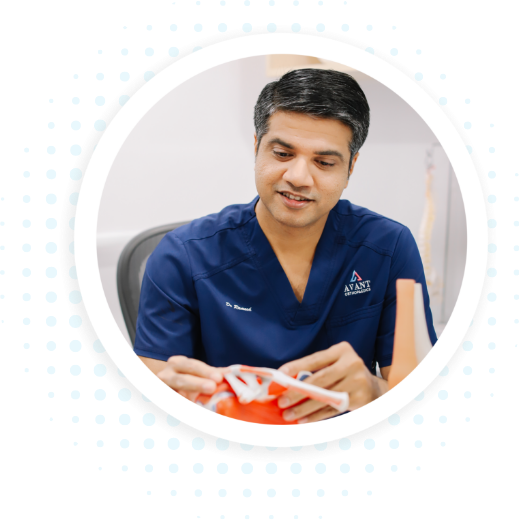
MBBS (NUS, SG) | MRCS (Edinburgh, UK) | M Med (Ortho) (NUS, SG) | FRCS (Ortho) (Edinburgh, UK)
Dr Ramesh obtained his MBBS and Master’s in Orthopaedic Surgery from the National University of Singapore and completed Advanced Surgical Training. He earned his Fellowship from the Royal College of Surgeons of Edinburgh in Trauma and Orthopaedics. He was awarded the HMDP scholarship for a clinical fellowship in Shoulder and Knee Surgery in Dublin, followed by the Tan Tock Seng Scholarship for a Sports Fellowship in Knee Surgery in Barcelona. He also completed a Shoulder Surgery Fellowship at Hospital Del Mar and was trained in arthroscopic joint reconstruction and joint replacement surgeries.
Related Treatments

Total and partial knee replacement are surgical procedures that replace damaged or worn parts of the knee joint with artificial implants. These surgeries help relieve pain, restore movement, and improve quality of life for patients with severe arthritis, injury, or joint degeneration.

Knee injections are a nonsurgical treatment that delivers medication into the knee to relieve pain and inflammation from osteoarthritis, tendon injuries, bursitis and other conditions. Options include corticosteroids, hyaluronic acid viscosupplementation and PRP, helping improve mobility and delay the need for surgery.
Find Us Here
Novena
9 AM to 1 PM (Saturday)
Closed on Sundays and Public Holidays
Parkway
9 AM to 1 PM (Saturday)
Closed on Sundays and Public Holidays

