
Knee Cartilage Damage Repair and Surgery
Content
- What are Knee Cartilage Injuries?
- What Causes Knee Cartilage Damage?
- Common Symptoms of Knee Cartilage Damage
- How Knee Cartilage Damage is Diagnosed
- Treatment Options for Knee Cartilage Damage
- Nonsurgical Treatment for Knee Cartilage Damage
- Surgical Treatment for Knee Cartilage Damage
- Recovery Time for Knee Cartilage Damage
- Frequently Asked Questions About Knee Cartilage Damage
Book An Appointment

Key Takeaways
- The knee cartilage is a strong, rubbery connective tissue that supports and protects the knee joints, reducing friction and allowing the bones to slide smoothly against one another.
- Knee cartilage damage can occur due to injuries or trauma to the knee joint, overuse from physical activities, or conditions such as arthritis.
- Mild knee cartilage damage is treatable with conservative, nonsurgical techniques such as rest, immobilisation, and physical therapy. Moderate to severe cases may require surgical intervention to repair cartilage damage and promote healing.
- Recovering from knee cartilage damage can take some time, which may vary based on the extent of knee cartilage damage and your overall health.
What are Knee Cartilage Injuries?
Knee cartilage (also known as articular cartilage) is a strong, rubbery connective tissue that cushions and protects the bones of the knee joints. It also reduces friction by allowing the bones to slide smoothly against each other.
Knee cartilage can be damaged by injury, trauma, or degeneration, and it takes significantly longer to heal due to the lack of blood vessels and nerves. Even inactivity can cause knee cartilage damage, as a sudden burst of physical activity could damage it.
Treating knee cartilage damage typically involves nonsurgical treatments, though severe cases may require surgical intervention to minimise the risk of significant complications that can impair your mobility.
What Causes Knee Cartilage Damage?
There may be multiple causal factors that can lead to knee cartilage damage.
Injuries
Knee injuries can damage cartilage, particularly among individuals who engage in regular, strenuous physical activity or lead active lifestyles. Trauma may also result from accidents or even high-impact sports (such as football) when your knee collides with something else.
Overuse
Repetitive use of the knee joint can gradually cause wear and tear. This condition may result from regular physical activity, especially sports training and events.
Joint Stress
Prolonged stress on the knee joint can also gradually weaken the knee cartilage and lead to damage. The load-bearing joints are naturally durable, but this stress can still cause a gradual loss of cartilage over time. Obesity is one condition that may contribute to joint stress.
Arthritis
Arthritis is an inflammatory condition that can affect the knee joint. It causes the cartilage to wear down over time, and the bones of the knee joint will rub against each other, leading to pain, discomfort, and stiffness.
Common Symptoms of Knee Cartilage Damage
Knee cartilage damage can lead to several symptoms:
- Joint pain, even while resting
- Swelling around the knee joint
- Joint stiffness and reduced range of motion
- Clicking or grinding noises when moving the knee
- Joint instability
- A catching or locking feeling when you move the joint
How Knee Cartilage Damage is Diagnosed
Your knee doctor will conduct a physical examination to assess your knee joint’s condition, range of motion, and other criteria to determine if your knee cartilage is damaged. They may also ask follow-up questions regarding the pain and discomfort you are experiencing, what may have caused the pain, and other queries about your general lifestyle.
As symptoms can overlap with other knee-related conditions, your doctor will also order imaging tests to visualise the knee cartilage and examine the entire joint and its surrounding structures. The imaging tests can help rule out other causes of your symptoms, determine the exact location of the injury, and assess the health of nearby structures. Magnetic resonance imaging (MRI) tests are commonly used to evaluate the knee joint’s condition, as the scan produces detailed images that can differentiate between soft structures (like tissue), cartilage, and bone.
Treatment Options for Knee Cartilage Damage
Nonsurgical Treatment for Knee Cartilage Damage
Medications
You may be prescribed anti-inflammatory medications and nonsteroidal anti-inflammatory drugs (NSAIDs) to alleviate the pain and discomfort you may experience. Your doctor will outline the available options and discuss the potential side effects of these medications with you.
Immobilisation
Immobilising your knee joint with a knee brace or bandage aims to reduce the knee’s mobility and flexibility, allowing it to heal naturally over time. You may also use these along with crutches or other mobility aids to help you move around without putting pressure on the healing knee joint. This method can be performed using the RICE (rest, ice, compression, and elevation) techniques.
Knee Injections
Knee injections involve a direct delivery of medication into the knee via a medical syringe. The medication administered will depend on the extent of your knee joint’s condition. For example, cortisone injections may help to relieve pain and reduce inflammation, particularly in arthritis-related knee conditions.
Physical Therapy
Physical therapy aims to strengthen the muscles surrounding the knee to support the cartilage and reduce the pressure placed on it during movement. Your physiotherapist will recommend suitable exercises focused on strengthening and low-impact aerobic activities (among others) to improve the flexibility and mobility of your knee joint.
Lifestyle Changes
Various lifestyle modifications could minimise stress on your knee joints and support their overall well-being. These include adopting a balanced diet and maintaining a healthy weight.
Surgical Treatment for Knee Cartilage Damage
Knee Arthroscopy
Knee arthroscopy is a minimally invasive procedure that involves making small incisions around the knee and inserting an arthroscope equipped with a light and a camera. The surgeon uses the arthroscope to view the knee joint’s internal structures on a screen and, using small surgical instruments, performs corrective procedures to treat damaged cartilage.
Cartilage Debridement, Microfracture, and Cartilage Scaffolds
This procedure aims to smooth damaged cartilage, reduce friction within the joint, and prevent persistent irritation. It is commonly performed to treat knee arthritis, gradually restoring flexibility and function while minimising pain and discomfort.
Mosaicplasty
This surgical method is designed to treat defects in the knee cartilage caused by stress, trauma, or gradual degeneration. It involves transferring healthy cartilage from non-weight-bearing areas of the knee to damaged areas.
Recovery Time for Knee Cartilage Damage
Your recovery time will depend on the extent of knee cartilage damage and your overall health. Older individuals may take longer to recover due to age-related factors that affect the healing process of their knee joint. For most conservative, nonsurgical treatments, recovery may take several weeks or months, depending on your healing progress. This recovery period is also supported by additional lifestyle changes based on your doctor’s advice. Some treatment methods, such as knee injections, may require several months of regular administration before you can experience noticeable results.
For surgical procedures, recovery time may range from several weeks to months, depending on the type of surgery and your overall recovery progress. Severe cases of knee cartilage damage may require additional recovery time due to the additional procedures needed to treat the damage.
It is vital to attend your scheduled follow-up appointments with your doctor, as this allows them to track and maintain your recovery progress. Doing so will minimise the risk of future complications arising and prevent delays to your healing.
Our Orthopaedic Doctor and Surgeon in Singapore
Dr. McGraw
M.B.Ch.B. | M.R.C.S. (Lon) | F.R.C.S. (Tr & Orth)
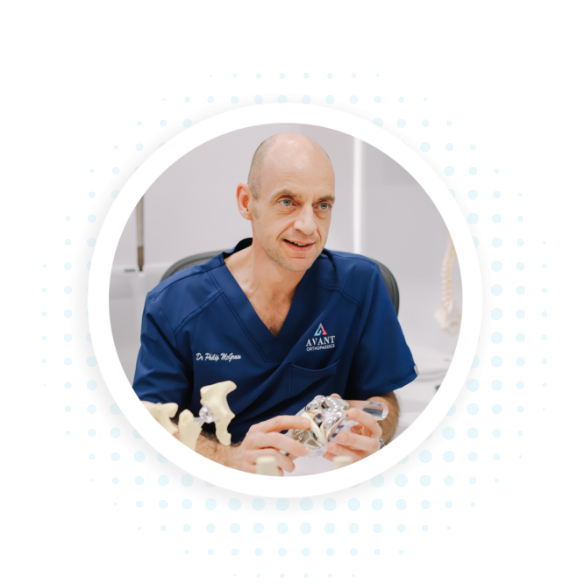
Dr. McGraw is a practising orthopaedic and trauma surgeon at Mount Elizabeth Novena Hospital and Parkway East Hospital.
His special interests and expertise include the management of all aspects of hip and knee conditions, in addition to general orthopaedic and trauma surgery.
Born and bred a Yorkshireman, Dr. McGraw studied Dental Surgery at Newcastle-Upon-Tyne in the United Kingdom. Upon qualifying, he worked as a Maxillofacial surgical trainee before undertaking his dental fellowship at The Royal College of Surgeons London and then commencing his studies in Medicine at Manchester University. He subsequently decided to change tack and completed his training as an Orthopaedic Surgeon in the northwest region of England. Dr. McGraw completed his training by undertaking two fellowships in hip and knee surgery at Wrightington Hospital in the UK. He was appointed as Consultant Orthopaedic Surgeon at Bury & North Manchester General Hospitals in 2012. Whilst at these hospitals, he kept up with the waiting list issues by dedicating his weekends to work in waiting list initiative lists at Wrightington Orthopaedic Hospital.
Frequently Asked Questions About Knee Cartilage Damage
If you experience symptoms of knee cartilage damage, apply the RICE method immediately: rest your knee to prevent further pain and discomfort, apply ice to the knee to reduce swelling, gently compress the knee with a bandage, and then carefully elevate your leg. Seek medical attention after this, for further assessment and to prevent further complications.
Various lifestyle changes can help you prevent future knee cartilage injuries. Simple steps include watching your weight, adopting a healthy diet, enjoying regular exercise to maintain your knee’s strength and flexibility, and minimising pressure or strain on your knees from daily activities.
You should be able to start physical therapy sessions approximately four to six weeks after surgery, depending on your knee’s condition. During your follow-up checks, your doctor will perform a basic assessment to determine the flexion, stability, and other characteristics of your knee joint, and advise when it is appropriate to begin your first session.
Related Conditions


The meniscus (plural: menisci) is a piece of cartilage located between your thighbone (the femur) and shinbone (the tibia). The meniscus ensures that your knees are stable whenever you move your knee.
Find Us Here
Novena
9 AM to 1 PM (Saturday)
Closed on Sundays and Public Holidays
Parkway
9 AM to 1 PM (Saturday)
Closed on Sundays and Public Holidays

