
Knee Ligament Reconstruction
Book An Appointment
Key Takeaways
- Knee ligament reconstruction is a surgical procedure that repairs or reconstructs damaged or torn knee ligaments.
- There are four main ligaments that connect the femur, the shinbone, and the kneecap, providing mobility and flexibility to the knee joint.
- The procedure involves using special instruments inserted through incisions on the skin close to the knee joint. A graft is taken to repair or reconstruct the damaged or torn ligament.
- Recovering from a knee ligament reconstruction requires you to abide by your doctor’s post-surgery care instructions

What is Knee Ligament Reconstruction?
Knee ligament reconstruction, also known as knee ligament repair, is a surgical procedure that treats damaged ligaments located in your knee. Ligaments are resilient bands of connective tissue which surround the knee joint to maintain its strength and stability while holding the bones together. The knee has four main ligaments that connect the femur (thighbone) to the tibia (shinbone) and the patella (kneecap):
- The anterior cruciate ligament (ACL), located towards the front of the knee, controls the forward movements of the shinbone.
- The posterior cruciate ligament (PCL), located towards the back of the knee, controls the shinbone’s backwards movements.
- The medial collateral ligament (MCL), found on the inner side of the knee, stabilizes the inner knee and prevents it from moving sideways.
- The lateral collateral ligament (LCL), found on the outer side of the knee, stabilizes the outer knee and prevents it from abnormal bending.
ACL injuries are the most common condition that knee ligament reconstruction can treat. The procedure is recommended when nonsurgical treatments, such as medications and physical therapy, have not relieved symptoms or complications affecting the knee joint.
Why is Knee Ligament Reconstruction Performed?
The knee ligaments are strong, but they can still be damaged when you sustain an injury, whether from a fall, a sudden, twisting movement, or other causes. The injury can cause significant stress on the ligament, stretching it beyond its normal range or tearing the ligament. While mild ligament sprains can heal slowly over time, a partially or fully torn ligament could cause substantial pain, loss of mobility, and instability, often requiring surgical intervention.
There are three grades of ligament injuries, depending on the extent of damage.
- Grade 1: The ligament is mildly stretched with minimal or no tearing. The knee remains stable, and its mobility is mildly affected.
- Grade 2: The ligament is stretched substantially and may feel loose. It may also be partially torn, but not entirely through.
- Grade 3: The ligament is completely torn into two separate pieces, and the knee joint becomes unstable.
Torn ligaments make it difficult for you to move or rotate your knee, as the knee may buckle or give way due to the weakened knee joint. This can hinder you from performing daily activities, including walking and driving to work. As such, knee ligament reconstruction is recommended for treating partial or complete ligament tears to restore your knee’s mobility and flexibility.
Equally important is that knee ligament reconstruction may also treat incidental conditions, such as loose bone fragments in the knee joint, as these may cause additional complications.
Essential Considerations for Knee Ligament Reconstruction
Before undergoing knee ligament reconstruction, your doctor will explain what to expect before, during, and after the procedure.
Recovery Outcomes for Knee Ligament Reconstruction
In most cases, knee ligament reconstruction involves a minimally invasive arthroscopy. It involves making small incisions that allow an arthroscope, which is a specialised instrument equipped with a light and camera, to be inserted along with other surgical tools. A successful procedure may result in a shorter hospital stay, as long as your doctor ensures that your recovery is progressing well. You may need to use crutches to help you move around while you are recovering.
Your doctor will schedule follow-up appointments to monitor your recovery. These sessions allow your doctor to check on your progress and make adjustments to your recovery plan, if necessary. They will also review your current prescriptions and determine if you still need crutches or other mobility aids to move around.
Risk Factors for Knee Ligament Reconstruction
Knee ligament reconstruction does have potential risks, and your doctor will inform you of these to help you make an informed decision about the surgery. Take the time to understand these risks and ask questions to clarify any concerns or doubts you may have. Some potential risk factors include:
- Blood clots, such as deep vein thrombosis
- Ligament re-tear
- Risk of infection
- Nerve or blood vessel damage
- Persistent stiffness
- Knee instability
- Scar sensitivity or numbness around wounds
- Long term risk of arthritis
Preparing for Knee Ligament Reconstruction
The initial consultation allows your doctor to review your medical history, asking questions to understand your condition and prepare an initial diagnosis. They may then perform various diagnostic tests to confirm the diagnosis, determine the extent of the ligament injury, and ensure you are an eligible candidate for knee ligament reconstruction. Your doctor will also explain what the procedure is and guide you through the surgery. You could ask them questions to help you understand the procedure and manage your expectations.
Before Knee Ligament Reconstruction
Your doctor will explain what you can expect from the procedure and help you to prepare for it. Here are several key points to consider before your surgery.
- Current health: Some medical conditions can increase the risk of complications after surgery. A comprehensive health screening helps your doctor plan the surgery. If you are currently on any medications, especially blood thinners, you may be advised to switch to other alternatives or stop taking them temporarily.
- Illness: If you are feeling unwell on the day of your surgery, notify your doctor. The procedure may be postponed depending on your condition.
- Fasting: You may be required to avoid food and drink for 6 hours before surgery. However, it is still encouraged to stay hydrated with small sips of water during that time.
- Health evaluations: If you have any upcoming dental or urinary procedures, rescheduling them may help reduce the risk of infection.
- Post-surgery support: After your discharge, you should have a family member or close friend around to help with daily activities or accompany you when going out.
- Lifestyle changes: Avoiding smoking, reducing alcohol intake, staying active, and attending follow-up appointments are essential to ensuring your recovery goes well.
On the day of surgery, a final medical check and an anaesthesia review will be conducted. You will then change into a surgical gown and wait for the procedure to begin.
During Knee Ligament Reconstruction
You will be given sedation or placed under general anaesthesia before the procedure begins. Small incisions are made around the knee, allowing the insertion of an arthroscope and other surgical tools required for the procedure. The arthroscope’s attached camera and light allow the surgeon to view the internal structure of the knee joint and perform the necessary procedures. If necessary, the nearby tissues, muscles, and other structures may be moved to access the affected ligament.
Depending on the extent of the injury, the surgeon may either reattach both ends of the torn ligament or reconstruct it using a graft. Grafts are typically taken from a suitable part of your body (called an autograft) or from an organ donor (allograft). It usually comes from a healthy tendon located in the knee or the hamstring.
The surgeon will make small holes in the thigh bone and shinbone to enable them to thread the ligament graft through. After this, they will secure the graft in place with surgical staples or screws. The surgeon will also examine the area around the knee joint and remove any debris, such as bone fragments, that may hinder your recovery. Once the procedure is complete, the incisions will be closed with stitches. The medical team will then take you to the recovery room for observation before being transferred back to the ward.
As you recover from surgery, new bone will gradually form around the graft, firmly holding it in place. The ligament anchors will remain permanently in place to ensure the ligament graft does not move out of place.
After Knee Ligament Reconstruction
Knee ligament reconstruction is typically an outpatient treatment, so you may not need to be warded for long unless necessary. Your doctor will provide guidance to support your recovery at home, including how to maintain your balance without exerting pressure on your knee. These tips will help ensure that your knee joint heals without complications. Caring for your surgical wound, keeping it clean, and being careful when moving around will also contribute to your recovery. You may also be prescribed pain medications if you experience any discomfort after surgery.
You are advised to follow your doctor’s postoperative care instructions closely to facilitate a smooth recovery with minimal complications.
- Avoid strenuous physical activities, such as weight-bearing exercises, that could put pressure on your healing knee joint.
- Use crutches to reduce the pressure placed on your knee. You may need them for several weeks or months, depending on your recovery rate.
- Keep your knee elevated while resting, and apply ice regularly to help manage pain, swelling, and other discomfort.
- Engage in regular home exercises to support your recovery and help prevent gradual muscle degradation. Be cautious not to over-exert yourself to minimize complications with your knee.
- Attend physical therapy sessions to support your recovery. Your physiotherapist will recommend various targeted exercises to help improve your knee’s range of motion and flexibility.
- Take your prescribed medications at the specified times and recommended dosage. If you experience any sudden side effects, stop taking the medicines and notify your doctor immediately.
- Have someone who can support you when you need to walk around the house or when performing activities of daily living.
Frequently Asked Questions
No, you should not drive immediately after surgery and for the next few weeks until your doctor allows it. Have someone drive you around to minimize pressure on your knee, and use mobility aids to help you move around and avoid placing pressure on your knee, allowing it to heal properly.
In most cases, you can start your first session one to two weeks after your surgery, depending on how your knee recovers. It may take some time for your knee to sufficiently heal and allow for light movements suitable for physical therapy.
Depending on how well your knee heals, post-surgery recovery may take between six and twelve months. Factors such as how quickly your knee regains strength and mobility can influence the recovery period. Your doctor will monitor your progress during follow-up visits.
Our Knee Ligament Reconstruction Surgeon
Dr. Ramesh Subramaniam
MBBS (NUS, SG) | MRCS (Edinburgh, UK) | M Med (Ortho) (NUS, SG) | FRCS (Ortho) (Edinburgh, UK)
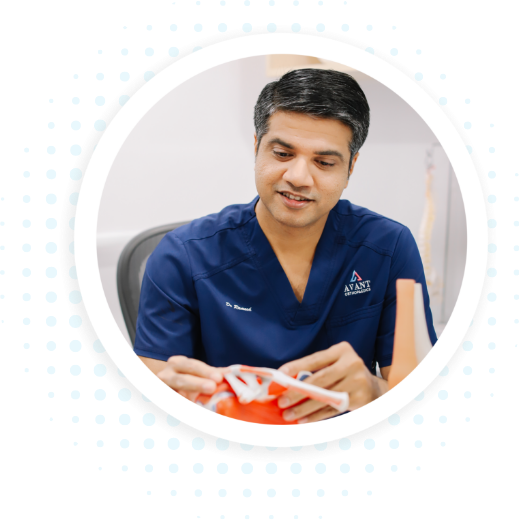
Dr Ramesh, a fellowship-trained orthopaedic surgeon, focuses on shoulder, knee, and arthroscopic sports surgery.
Dr Ramesh obtained his MBBS and Master’s in Orthopaedic Surgery from the National University of Singapore and completed Advanced Surgical Training. He earned his Fellowship from the Royal College of Surgeons of Edinburgh in Trauma and Orthopaedics. He was awarded the HMDP scholarship for a clinical fellowship in Shoulder and Knee Surgery in Dublin, followed by the Tan Tock Seng Scholarship for a Sports Fellowship in Knee Surgery in Barcelona. He also completed a Shoulder Surgery Fellowship at Hospital Del Mar and was trained in arthroscopic joint reconstruction and joint replacement surgeries.
Related Treatments

Low-grade injuries can heal slowly over time, but if the MCL is torn, surgery is needed to restore its functions. You can still live with a low-grade MCL injury, but you must avoid strenuous physical activities that put pressure on the healing MCL
Find Us Here
Novena
9 AM to 1 PM (Saturday)
Closed on Sundays and Public Holidays
Parkway
9 AM to 1 PM (Saturday)
Closed on Sundays and Public Holidays

