
Meniscus Tear Surgery in Singapore
Book An Appointment
Key Takeaways
- Meniscus surgery treats the meniscus, which is vital to maintaining the knee joint’s stability and lubrication.
- There are four types of meniscus surgery, which vary depending on the extent of damage to the meniscus.
- Recovery from meniscus surgery has positive outcomes if you follow your doctor’s aftercare instructions.
- However, the recovery time will vary depending on the type of meniscus surgery you undergo.

What is Meniscus Surgery?
Meniscus surgery, also known as arthroscopic meniscus repair or meniscectomy, is a surgical procedure used to treat damage to the meniscus, such as partial and complete tears. There are two meniscii in each knee: one on the inside of the knee (medial meniscus) and one outside (lateral meniscus). They serve as shock absorbers between the thighbone and shinbone that connect at the knee joint. They are also vital for maintaining joint stability and lubricating the joint. Any damage to the meniscus (plural: meniscii) can cause various complications if left untreated, including reduced range of motion accompanied by pain when moving the affected joint.
If non-surgical treatment approaches fail to improve your recovery from a meniscus injury, surgery may be recommended to alleviate symptoms and restore mechanical joint functions.
Why is Meniscus Surgery Performed?
A meniscal injury can occur due to a fall, a poor landing from a jump, or an injury sustained during work or sports. Because of the meniscus’s role, any damage it sustains can lead to issues of stability and flexibility affecting your knee joint. While minor tears can heal with conservative treatment, more significant tears and injuries may require more extensive care, including surgery.
A meniscus injury may leave tiny fragments of the meniscus in the joint area, which can lead to pain and a reduced range of motion. Degenerative conditions caused by ageing can also increase the risk of meniscus injuries, as old, worn-out tissue is more susceptible to injury from various movements. As such, meniscus surgery aims to restore the damaged meniscus’s condition, remove loose fragments that can reduce mobility, and mitigate the effects of other symptoms.
Types of Meniscus Surgery
Several types of meniscus surgery are available, depending on the extent of damage to your meniscus.
Partial Meniscectomy
Also known as meniscal debridement, a partial meniscectomy involves surgically removing the damaged portion of the meniscus. It is a minimally invasive procedure, primarily used to remove the inner section of the meniscus, which lacks an adequate blood supply to heal on its own. A partial meniscectomy may also be performed to remove any meniscus fragments that cause the knee joint to “lock,” thereby reducing the range of motion.
Total Meniscectomy
For more severe cases of a meniscus injury, such as a complete tear or considerable injury, a total meniscectomy may be necessary. This procedure involves the complete removal of the damaged meniscus. However, as this carries a risk of developing knee arthritis, your doctor may recommend a meniscus transplant at a later stage, to help minimise that risk.
Meniscus Repair Surgery
For most meniscus injuries, repair surgery is often the preferred choice. It involves carefully suturing or stitching the torn pieces together, allowing the meniscus to heal gradually. However, treating central region of the meniscus may not be ideal, as the central meniscus lacks an optimal blood supply to facilitate natural healing. Peripheral regions heal better as they have better blood supply.
Meniscus Transplant
Also known as a meniscus replacement, this procedure is typically performed during or after a successful total meniscectomy to replace the removed meniscus. The procedure involves transplanting a donor meniscus graft from a deceased organ donor (an allograft). The allograft is matched by size to the candidate who requires it for their meniscus transplant. Thorough screening is also necessary to maximise the success of the transplant and minimise the risk of complications.
Essential Considerations for Meniscus Surgery
Our knee specialist will outline several essential considerations before you decide on meniscus surgery.
Recovery Outcomes of Meniscus Surgery
Meniscus injuries are relatively common, but prompt treatment can help ensure positive outcomes during the recovery phase. The surgery is typically minimally invasive, using arthroscopic procedures, which means you likely won’t need to stay in the hospital for long. Follow-up checks with your doctor may be necessary to ensure that your recovery is going well.
Recovery time will vary depending on the surgical procedure performed. A meniscectomy typically has the shortest recovery period, lasting approximately six weeks. Meniscus repair surgery takes longer to recover from, as you are recovering from the procedure while also allowing time for the meniscus to heal. You may need up to three months to recover fully. Meanwhile, recovery from a meniscus transplant takes the longest, to ensure the transplanted meniscus firmly attaches to the bone and knee capsule.
You may need to limit your movements while recovering. Using crutches can help relieve the stress on your recovering knee, while a knee brace can stabilise the joint. Even after you no longer need crutches, you still need to take it easy and may need to wear a knee guard. By avoiding over-exertion, you can help ensure your recovery progresses smoothly.
Risk of Meniscus Surgery
Like any medical procedure, meniscus surgery does have potential risks involved. Your doctor will explain these risks to you, and you are encouraged to clarify any concerns you may have about the treatment. Some possible risk factors include:
- Re-tear of repaired meniscus or re-tear of remnant meniscus after partial trimming
- Injuries to nearby nerves, tissues, and blood vessels
- Knee arthritis (if you did not undergo a meniscus transplant after removing the old, damaged meniscus)
- Blood clots
- Infections
- Joint stiffness
Preparations for Meniscus Surgery
During the initial consultation, your doctor will review your medical history and perform additional diagnostic tests to determine whether you are fit to undergo meniscus surgery. A comprehensive examination will ensure both the surgical procedure and recovery progress safely. They may also ask a few questions regarding your current health, where you are experiencing pain, and other relevant questions.
Your medical team will also inform you about your treatment and the general dos and don’ts in preparation for surgery. Take the time to discuss your condition, potential risk factors, and how you can prepare for treatment with your doctor.
Before Meniscus Surgery
It is advisable to discuss with your doctor during the consultation what to expect from the surgery. This checklist can help you prepare for the procedure.
- Current health: A detailed assessment will determine your eligibility for meniscus surgery, especially if you have any preexisting chronic conditions. If you are taking any medications, consult your doctor to see if adjustments are needed, which may include switching to alternative medications or temporarily stopping them. Individuals with diabetes should bring their medications to take after the procedure.
- Location of injury: The type of meniscus surgery will depend on the location of the injury. The inner two-thirds of the meniscus does not have sufficient blood supply to promote the meniscus’s natural healing. That may mean a partial or total meniscectomy is ideal to treat your condition.
- Post-surgery assistance: It is recommended that someone accompany you during the early stages of recovery, helping with daily tasks at home or when going out.
- Lifestyle changes: Stay hydrated, engage in light exercises to prevent muscle weakness, and schedule follow-up appointments with your doctor.
On the day of the surgery, you may undergo a final health assessment, including a review of your anaesthesia needs. Afterwards, you will change into a surgical gown and wait for the procedure to begin.
During Meniscus Surgery
You will be sedated or placed under general anaesthesia before the procedure begins. The surgeon will then make a small incision close to your knee and carefully insert a specialised instrument called an arthroscope, which has a camera attached to one end. The arthroscope provides the surgeon with clear images of the injured meniscus and allows them to perform surgery on it. Additional small incisions may be made to insert surgical tools, depending on the extent of damage to your meniscus.
For a partial meniscectomy, the surgeon will carefully use the surgical tools to remove the damaged portions of the meniscus. In a total meniscectomy, the entire meniscus will be removed. This may be followed, at later date, by a meniscus transplant using an allograft of the same size as the original meniscus, which is then sutured and anchored into place. In a meniscus repair surgery, the surgeon will carefully stitch or suture the torn pieces back together with the guidance of the arthroscope.
Once the procedure is complete, the surgeon will carefully close the incisions using sutures or surgical staples.
After Meniscus Surgery
You may need to be monitored for some time to ensure your recovery is progressing smoothly, though you may be discharged earlier if your doctor determines you are ready. Most meniscus surgeries are day surgery procedures. Your doctor will explain several things to you to help you with your recovery, including what to do if any complications arise. Knowing how to care for your surgical wound, keep it clean, and maintain your balance at home will be helpful to your recovery. You may also be prescribed pain medications if you experience any discomfort around the incision areas after surgery.
You will also need to attend scheduled follow-up checks to monitor your recovery and receive guidance to prevent complications. Be mindful of the postoperative care instructions provided by your doctor.
- Avoid lifting heavy objects during recovery, as this can strain the meniscus. Even after recovery, continue minimising such activities to prevent complications.
- Exercise regularly at home to support your recovery and prevent gradual muscle degradation, but be careful not to overexert yourself, as this could strain the surgical area.
- Use crutches and a knee brace to facilitate your recovery and minimise the risk of unwanted health complications.
- Attend physical therapy sessions, if applicable. A physiotherapist can help you restore the range of motion and flexibility in your affected knee through various physical activities tailored to your current health.
- If you are prescribed medications to help with your recovery, ensure you take them at the stipulated times and dosage as set by your doctor. If you experience sudden side effects, stop the medication and contact your doctor immediately.
- Have someone who can help you around the house and assist with daily activities while you recover.
Our Surgeon for Meniscus Surgery
Dr. Ramesh Subramaniam
MBBS (NUS, SG) | MRCS (Edinburgh, UK) | M Med (Ortho) (NUS, SG) | FRCS (Ortho) (Edinburgh, UK)
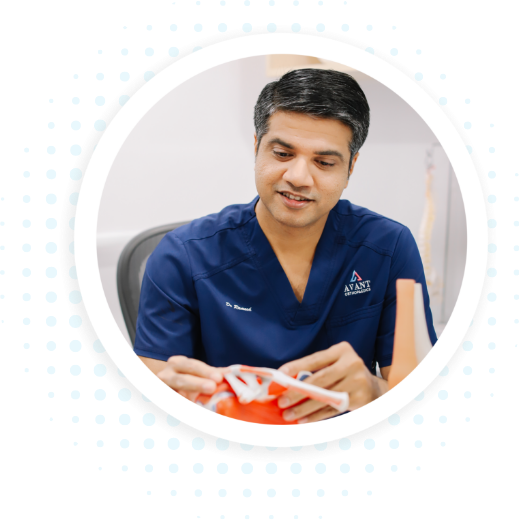
Dr Ramesh, a fellowship-trained orthopaedic surgeon, focuses on shoulder, knee, and arthroscopic sports surgery.
Dr Ramesh obtained his MBBS and Master’s in Orthopaedic Surgery from the National University of Singapore and completed Advanced Surgical Training. He earned his Fellowship from the Royal College of Surgeons of Edinburgh in Trauma and Orthopaedics. He was awarded the HMDP scholarship for a clinical fellowship in Shoulder and Knee Surgery in Dublin, followed by the Tan Tock Seng Scholarship for a Sports Fellowship in Knee Surgery in Barcelona. He also completed a Shoulder Surgery Fellowship at Hospital Del Mar and was trained in arthroscopic joint reconstruction and joint replacement surgeries.
Frequently Asked Questions
It is normal to experience some pain immediately after surgery and during the initial weeks of recovery. Pain medication can provide temporary relief, but you should contact your doctor if you continue to experience significant pain.
Yes, as long as you follow your doctor’s instructions and refrain from intense physical activities during your recovery. Try to limit your movements as much as possible, except for some light exercise within your current means.
Meniscus surgery typically takes about an hour, although the duration may vary depending on additional factors such as your age, overall health, and the presence of other injuries.
Related Treatments
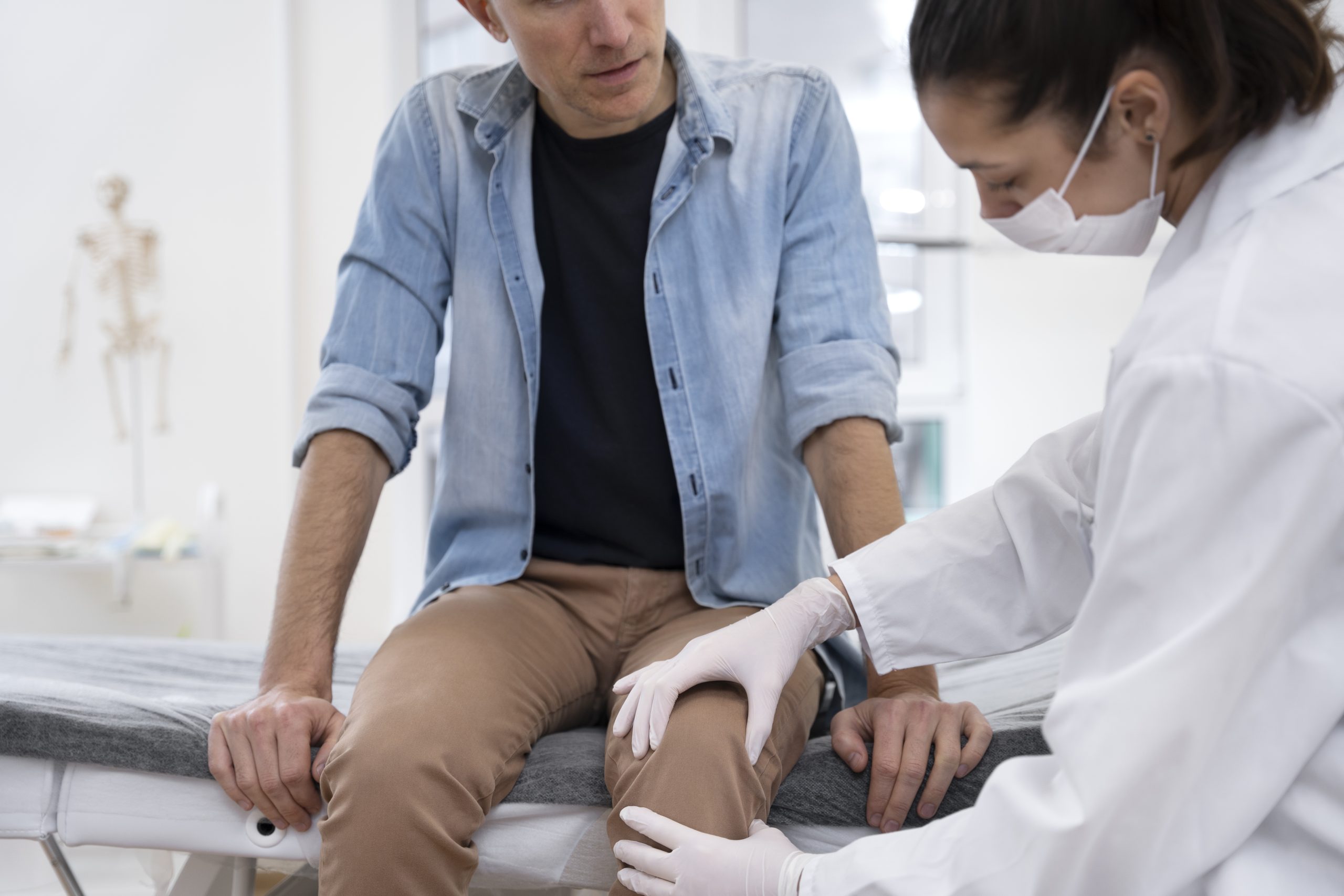
Knee ligament reconstruction is a surgical procedure that repairs or replaces torn ligaments in the knee, such as the ACL, PCL, MCL, or LCL, to restore joint strength, stability, and mobility. The surgery is often performed using minimally invasive arthroscopy, where a graft from the patient or a donor is used to reconstruct the damaged ligament. It is recommended for patients with severe ligament injuries that cause pain or instability. Recovery involves physiotherapy, pain management, and adherence to post-surgery care for optimal healing and return to normal activity.
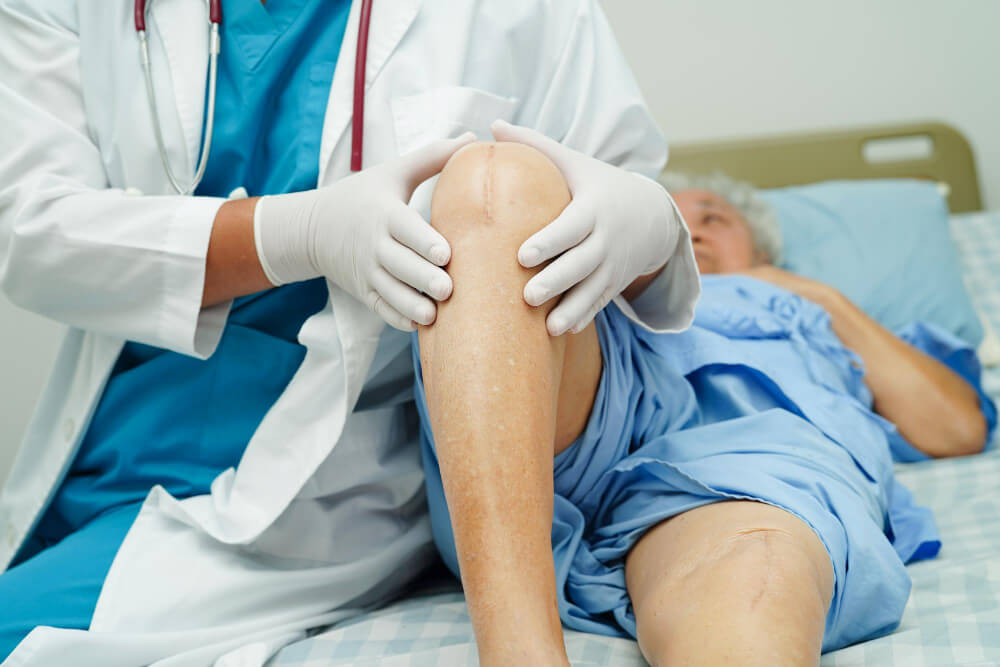
Knee arthroscopy is a minimally invasive surgical procedure used to diagnose and treat various knee problems such as ligament injuries, meniscus tears, tendon damage, fractures, and synovitis. The procedure involves inserting a small camera (arthroscope) through tiny incisions to view and repair the knee joint. It is typically recommended when non-surgical treatments fail to relieve pain or restore mobility. Recovery is usually faster than open surgery, with most patients resuming normal activities within weeks under proper care and physiotherapy.
Find Us Here
Novena
9 AM to 1 PM (Saturday)
Closed on Sundays and Public Holidays
Parkway
9 AM to 1 PM (Saturday)
Closed on Sundays and Public Holidays

