

Sciatica is a condition where you experience pain along the sciatic nerve. The sciatic nerve originates near the base of your lumbar spine (in the lower back) and is the largest nerve in your body. It contributes to both motor and sensory functions for your legs and feet. Prompt treatment of sciatica is important because early intervention can help reduce pain and prevent symptoms from worsening.

Hip bursitis is a condition characterised by inflammation of the hip bursae, small, fluid-filled sacs that cushion the spaces around bones and other tissues during joint movement. The hip contains two major bursae that are at risk of bursitis: the trochanteric bursa and the iliopsoas bursa.

Knee cartilage (also known as articular cartilage) is a strong, rubbery connective tissue that cushions and protects the bones of the knee joints. It also reduces friction by allowing the bones to slide smoothly against each other.

A migraine is a severe headache characterised by a throbbing, pulsing pain on one (or, rarely, both) side(s) of your head or body. This condition affects children, teenagers, and adults, and may last anywhere from a few hours to a few days.
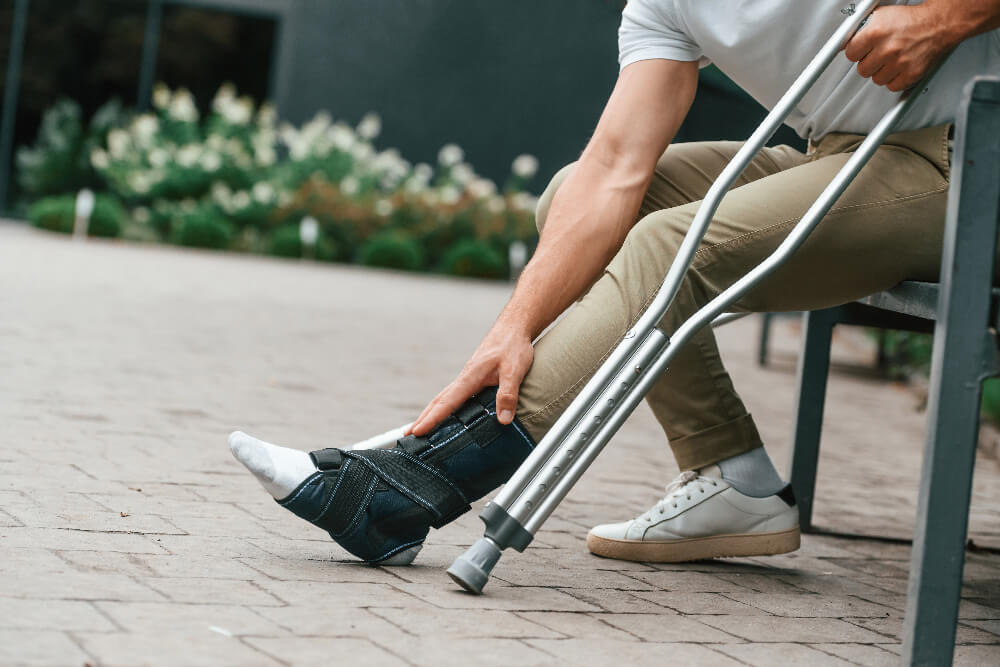
Fractures and dislocations are common injuries caused by trauma, falls, or accidents that affect bones and joints. A fracture refers to a break or crack in a bone, while a dislocation occurs when bones in a joint are forced out of position. Symptoms include pain, swelling, deformity, and limited mobility. Diagnosis involves physical examinations and imaging tests such as X-rays or MRI scans. Treatment varies depending on severity, including immobilisation, the PRICE method, or surgery such as open reduction and internal fixation. Proper care, rehabilitation, and preventive measures like regular exercise, bone screening, and a healthy diet support recovery and help prevent future injuries.

Tailbone pain, or coccydynia, is discomfort at the base of the spine that may occur after a fall, prolonged sitting, or childbirth. It can cause sharp or aching pain, especially when sitting, standing up, or leaning back. Treatments range from lifestyle changes, cushions, and medications to physical therapy and, in rare cases, surgery.
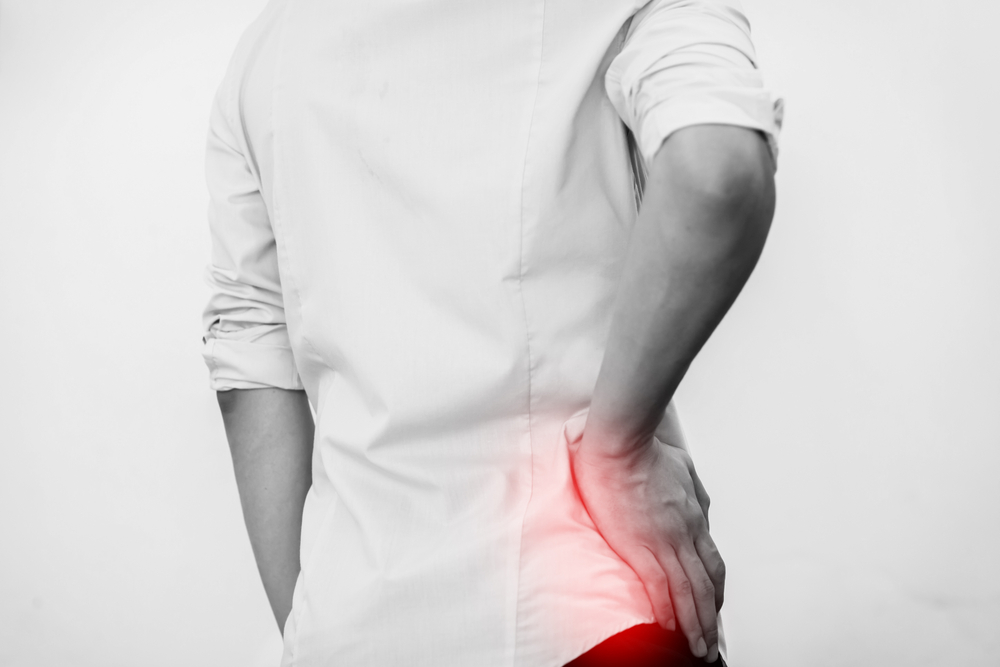
Hip instability, or loose hips, happens when weakened or damaged ligaments, muscles, or the labrum make the hip joint unstable. This causes excessive movement, pain, discomfort, and sometimes a feeling that the hip may “give out.”

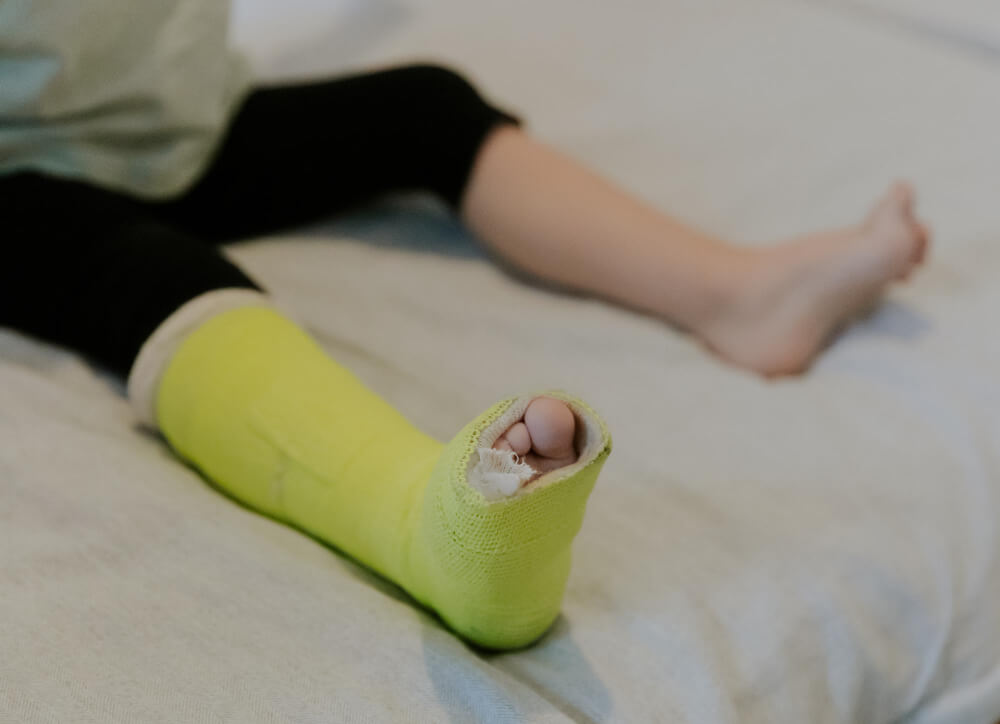
Stress fractures are characterised as overuse injuries, where tiny cracks form on bones due to repetitive force or caused by conditions such as osteoporosis, which can weaken bone health.
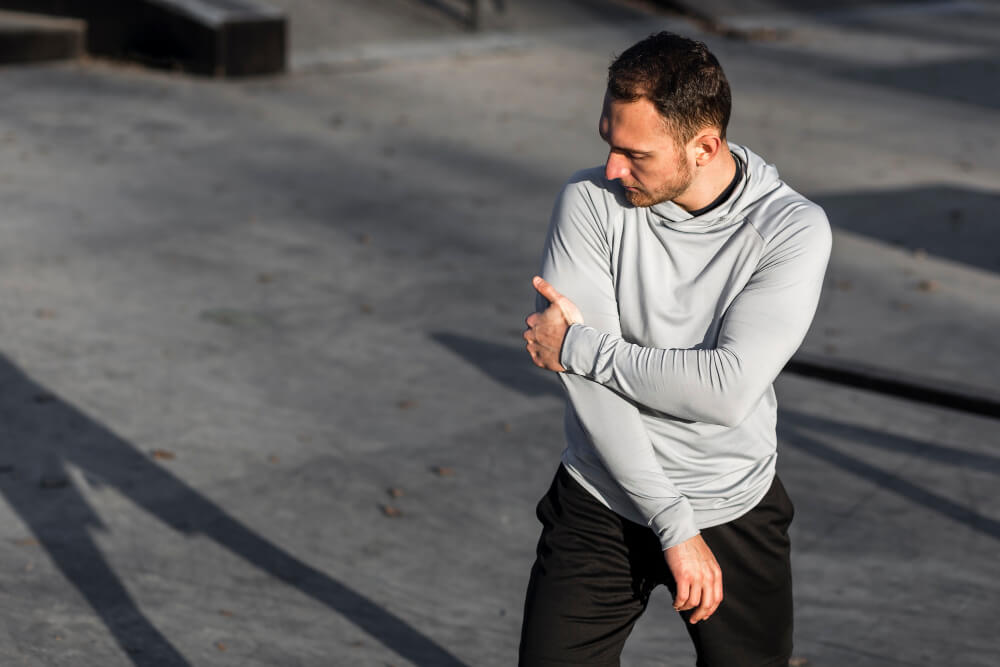
Biceps tendonitis is the inflammation of the upper part of the biceps, typically caused by overuse or injury to the biceps tendon. This tendon is a strong connective structure that connects the biceps muscle to the shoulder socket; while strong, overuse or injury can still cause gradual wear and tear, leading to inflammation and other complications.
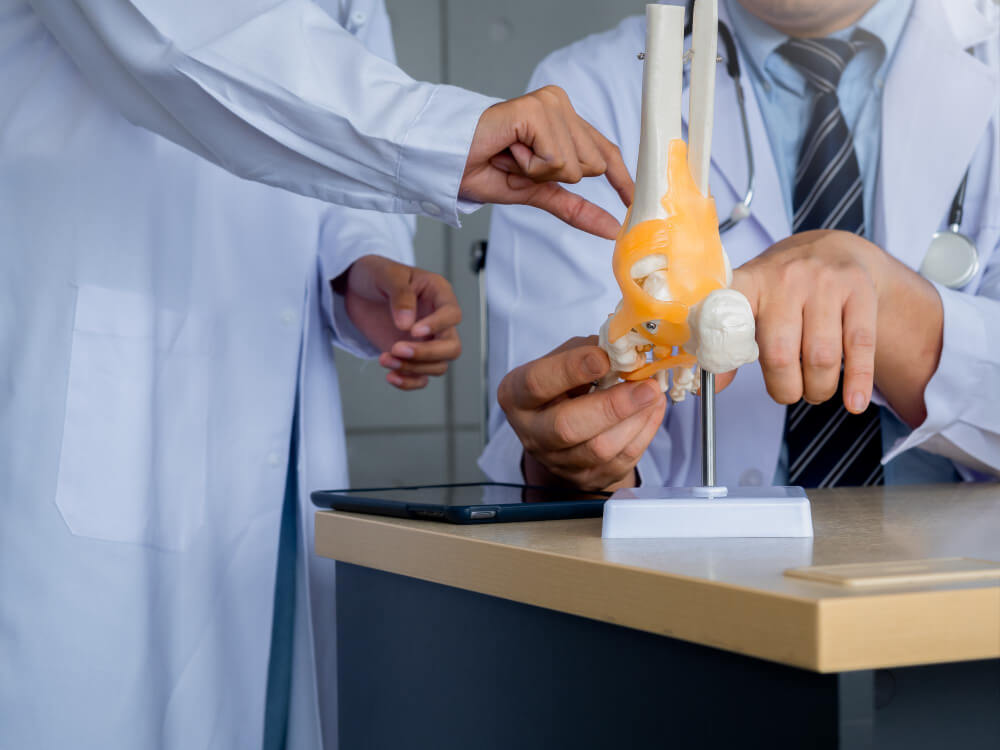
Bone tumours are abnormal growths found within any bone in your skeletal system. However, bone tumours may typically be found on the larger bones in your body, including the femur, tibia, humerus, ribs, spine, and pelvis. In most cases, bone tumours are benign (non-cancerous) and will usually go away after some time, even without non-surgical interventions.

Ligaments are strong, fibrous connective tissue that binds your bones together across joints. They help to stabilize and support your joints and keep your bones in place. When a ligament around your joint is partially injured, it is a sprain. If it’s completely injured and loses fibres continuity, it is termed a rupture. Ligament sprains are common injuries and can happen to anyone.
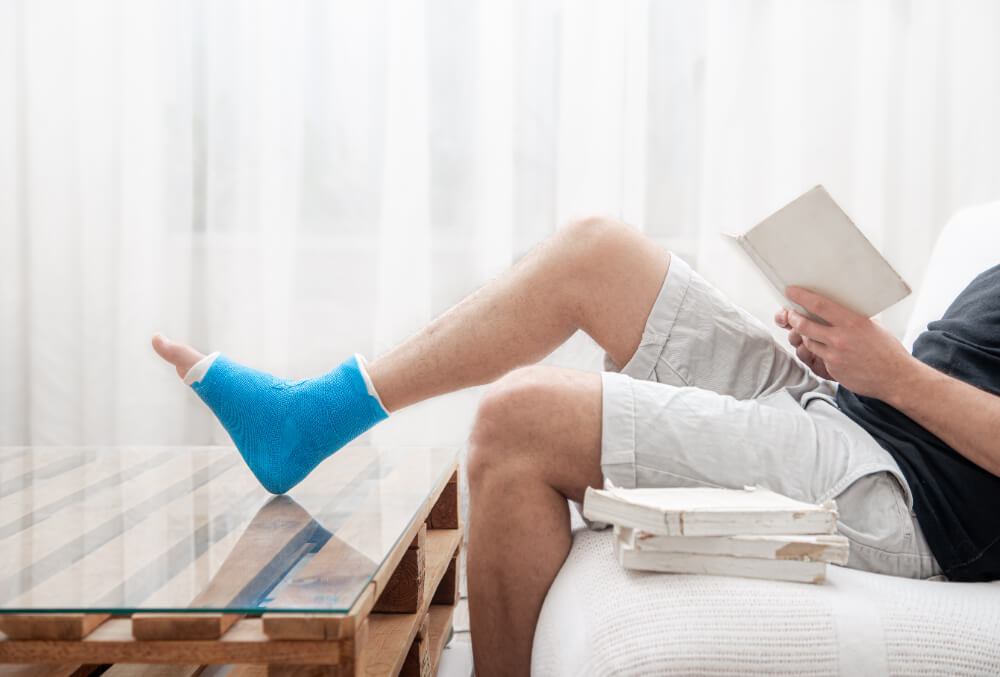
A common cause of heel pain, plantar fasciitis is the inflammation of the plantar fascia, which is the tough, fibrous tissue that extends across the heel of each foot and connects our heel bone to the base of our toes. The plantar fascia experiences much wear and tear in the day-to-day, as it is used when you walk or move your foot.

A disc herniation is a condition in which an intervertebral disc has a tear or injury, causing the disc’s inner layer (the nucleus) to protrude out through a tear or damage on the outer layer (the annulus), resulting in pain or discomfort. A herniated disc is also known as a slipped, protruding, or ruptured disc.

Also known as avascular necrosis (AVN) or aseptic necrosis, osteonecrosis (Latin for “bone death”) of the hip is a condition in which the blood flow to the head of the thighbone (the femoral head) is obstructed. Much like other parts of your body, bone tissue needs to be renewed periodically to ensure your bones stay healthy and strong for a long time. After all, blood is vital in carrying the nutrients and oxygen the body needs to maintain its functions and vitality.

Bone spurs, also known as osteophytes, are smooth bony growths that develop on the edges of the bones. Osteophytes are the result of the body’s attempt to repair damage or stress on bones and joints. They can often be found near joints or where ligaments and tendons connect to bones.

Spinal stenosis, sometimes known as a narrowed spinal canal, occurs when the canal where the spinal cord is located gradually narrows. The spinal cord is a bundle of nerves that starts in the brain and runs down the centre of the spine, and nerve roots stem from the spinal cord and branch out.

Radiculopathy refers to a pinched nerve in the spine. The nerve root arising from the spinal column is compressed or irritated, resulting in pain, numbness, or tingling around the area supplied by the pinched nerve. Radiculopathy can develop in different parts of the spine, one of them being the lumbar (lower back).

Scoliosis is a medical condition where the spine is abnormally curved, typically side-to-side instead of the normal front-to-back curves throughout the backbone. These abnormal curves can happen at any part of the spine, whether at the neck (cervical spine), middle or upper back (thoracic spine), lower back (lumbar spine), or a combination of them.

Paediatric trauma is a concerning medical condition that affects infants and children and can be a significant cause of disability, if left untreated.

Also known as repetitive strain injuries or cumulative trauma disorders, overuse injuries refer to damage affecting a part of the body due to constant, repetitive use.

Lower back pain generally affects your lumbar spine, the lower part of your spine located between the ribs and the pelvis made up of five vertebrae (or bones).

An ankle sprain is a common injury many suffer at some point in life. It happens when you accidentally injure the ligaments in your ankle when you roll, twist, or turn it awkwardly, often due to tripping or falling over and landing on your feet at an awkward angle.

The rotator cuff consists of several muscles and tendons surrounding the shoulder joint. It helps to stabilise the joint, allowing you to move your arms and lift objects.

The meniscus (plural: menisci) is a piece of cartilage located between your thighbone (the femur) and shinbone (the tibia). The meniscus ensures that your knees are stable whenever you move your knee.

Typically referred to as a pinched nerve in the neck, cervical radiculopathy (or CR) happens when a nerve in the neck (cervical spine) is inflamed or compressed. As a result, you may also feel pain radiating into your shoulder or arm, along with muscle weakness and numbness.
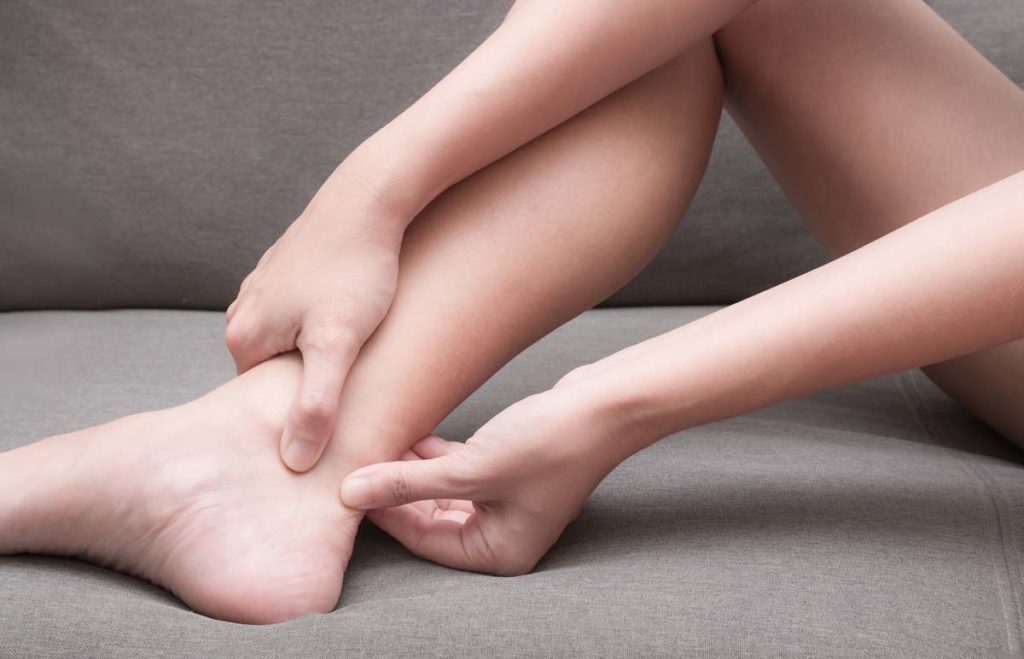
Achilles tendinitis is the inflammation of your Achilles tendon. The Achilles tendon connects your calf muscles (located in the lower back of your leg) to the heel bone. Its primary purpose is to enable you to walk, run, jump and stand on the balls of your feet.

A dislocated shoulder, medically known as glenohumeral joint dislocation, happens when the shoulder bone pops out of its socket and becomes misaligned. Being the most mobile joint in the body, the shoulder is at risk of dislocations, representing 50% of all major joint dislocations.

Osteoarthritis (pronounced as aus-tea-oh art-right-is), or OA, is the most common type of arthritis. Osteoarthritis is a condition that affects the entire joint, including the bone, cartilage, fat, ligaments, and the tissues lining the joint.


Labral tears can cause pain, stiffness, clicking or instability.Some people don’t experience any symptoms.

The medial collateral ligament (MCL) is one of four important ligaments connecting the thigh bone to the shin bone at the knee. An injury to the MCL is usually due to an injury caused by sudden movements that can damage the MCL itself.

Spinal instability can be categorised as either micro-instability or macro-instability. The former does not cause any structural changes as the movements between vertebrae are minor. However, it can still lead to inflammation in the discs or the joints between the vertebrae, resulting in back pain.


Bursa is a small fluid-like sac that can be found throughout the body, located in areas where repetitive movements or pressure are constant. However, when inflamed or irritated, it can begin to swell, leading to pain, tenderness, and limited range of mobility, leading to a condition known as bursitis.

An elbow is dislocated when the humerus, ulna, and radius are knocked or pushed out of place. This is an incredibly painful injury which can make moving the elbow difficult. This injury can be divided into simple and complex based on the damage to your joint and surrounding tissue

Whiplash is a condition where you experience a neck injury from sudden movement. While its name may seem to refer to a single concept, it can give rise to a wide range of conditions. Additionally, there is no restriction in the direction of the movement that can cause this condition. It can occur as long as the incident is forceful and rapid, resulting in the neck bending beyond its normal range without any restraint.

A spinal tumor is an abnormal growth of cells that can be found within or around your spinal cord. While spinal growths can happen in any part of the spine, they are more commonly found in the thoracic and lumbar regions.
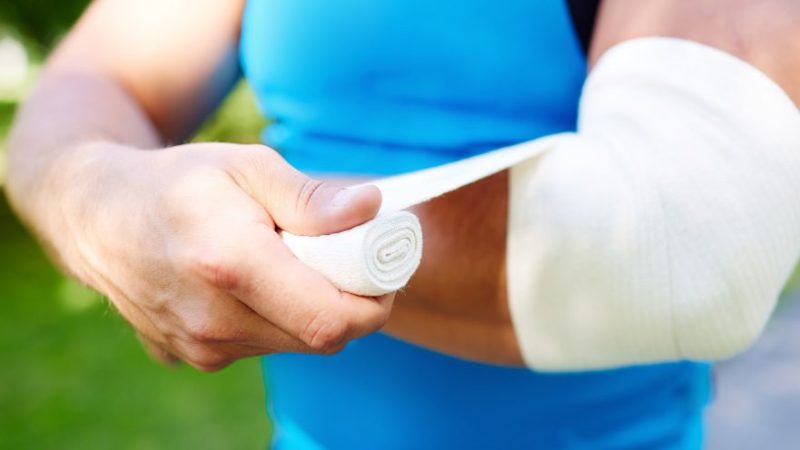
Tennis elbow also referred to as lateral epicondylitis, is caused by the overuse of muscles which connect your forearm to your elbow. It is also a degenerative condition characterised by inflammation, microscopic tears, and pain in the affected area.

Golfer’s elbow, also known as medial epicondylitis, is a condition that causes pain and discomfort on the inside of your elbow.

A slipped disc, also known as a herniated disc, happens when the soft inner core of a disc, called the nucleus pulposus, pushes through the tough outer layer, called the annulus fibrosus.


Muscle tears are caused by the tearing of muscle fibres, which connect muscles to bones, leading to a limitation of mobility and pain.

Hip pain can manifest in various ways, each indicating potential underlying issues. As hip pain can potentially lead to health complications in the future that may affect other parts of your body, early diagnosis and hip pain treatment are crucial.
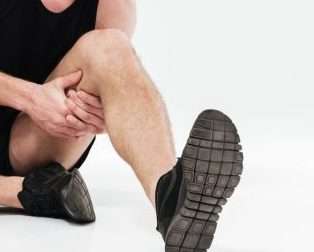
Foot and ankle pain can manifest in various ways, and the symptoms you experience can vary based on the underlying cause of the pain. Here are some common symptoms.

When you experience an injury from sports activities, the symptoms can vary depending on severity and affected area. Let’s take a look at the common signs to watch out for:

Osteoporosis is a medical condition that causes weak and brittle bones, as it reduces bone mass and changes their structure or strength. This condition may even weaken bones to the extent that even minor stressors such as a cough or bumping into an object can cause fractures.

Learning how to spot the symptoms of shoulder pain is crucial in preventing the condition from worsening. There are often a wide variety of signs you can use to gain insight into your condition, which may present themselves as:

Back Pain (Spinal Conditions) can manifest in a variety of ways, and their symptoms can vary depending on the specific condition and its severity. Here are some common symptoms associated with Back Pain (Spinal Conditions):

Neck pain is a common discomfort experienced by many and can be identified through various symptoms. Knowing that you have this condition will help with early detection and treatment.


A lumbar epidural steroid injection (ESI) involves directly injecting a medication (in this case, corticosteroids, also known as steroids) into the epidural space of your lower back. This epidural space is the fat-filled area surrounding your spinal cord and nerves. The procedure is performed to provide short-term relief of symptoms from a back injury or irritation, swelling, or inflammation of the spinal nerves.

A low-grade ACL injury can be managed without surgery, but severe injuries like a torn ACL require surgery to properly treat the resultant knee instability.

Plantar fascia release surgery is a surgical procedure on the fibres of the plantar fascia, a thick band of tissue present at the bottom of the foot. It is a ligament that connects the heel bone to the toes, supporting the arch of the foot. Plantar fascia release is a type of surgery for heel pain that may improve foot flexibility. During this procedure, a surgeon removes or releases the inflamed, tight plantar fascia tissue on the heel. After a brief recovery period, patients can resume many of their daily activities.

Ankle ligament reconstruction is a surgical procedure designed to treat torn or damaged ligaments caused by ankle sprains and associated instability. It focuses on repairing or reconstructing damaged ankle ligaments, which are essential for maintaining the ankle joint’s stability. This procedure is also known as the Brostrom procedure.

A platelet-rich plasma (PRP) injection uses platelets and plasma to support healing in mild to moderate knee pain. Platelets are responsible for blood clotting and also contain proteins called growth factors that support your body’s healing, while plasma is the liquid component of blood. This formulation is achieved by separating blood into its individual components using a centrifuge, creating a liquid concentrate with a high platelet concentration.


Patellar tendon repair is a surgical procedure to repair or reconstruct a torn, damaged, or ruptured patellar tendon. While mild patellar tendon tears can be treated nonsurgically, moderate to severe injuries may require surgical intervention to restore the tendon’s functionality. The procedure is performed as an open surgery and may involve drilling holes and placing sutures to anchor the tendon in place and facilitate its recovery.

Vertebroplasty and kyphoplasty are minimally invasive procedures used to treat vertebral compression fractures caused by osteoporosis or bone cancer. Vertebroplasty involves injecting surgical cement directly into the fractured vertebra, while kyphoplasty uses a balloon to restore vertebral height before cement injection. Both procedures stabilize the spine, relieve pain, and support recovery, with most patients able to resume daily activities soon after surgery.

Fracture fixation is a procedure that stabilises broken bones using casts, splints, screws, plates, or rods to keep them in the correct position and support proper healing.

Arthroscopic procedures are minimally invasive surgeries that use a small camera and instruments inserted through tiny incisions to diagnose and treat joint problems, often resulting in less pain, quicker recovery, and reduced scarring compared to open surgery.

Anterior Cervical Diskectomy and Fusion (ACDF) is a spine surgery that removes a damaged or herniated cervical disc to relieve nerve compression, then inserts a bone graft to fuse the affected vertebrae and stabilise the neck.

Joint manipulation is a non-invasive treatment that uses controlled force to improve joint mobility, reduce stiffness and relieve pain. Performed by certified orthopaedists, it helps loosen tight tissues, improve circulation and reduce inflammation. It can treat neck and back pain, shoulder stiffness, knee/hip pain, muscle strains, arthritis and nerve compression, with mild soreness after treatment that usually resolves in a few days.

Hip core decompression is a minimally invasive surgery used to treat avascular necrosis (AVN) by relieving pressure within the femoral head and improving blood flow to the bone. The procedure helps slow or stop bone collapse, reduce hip pain, and preserve joint function. It is recommended for early-stage AVN and may be combined with bone grafting or biologic therapies to enhance healing.

Knee injections are a nonsurgical treatment that delivers medication into the knee to relieve pain and inflammation from osteoarthritis, tendon injuries, bursitis and other conditions. Options include corticosteroids, hyaluronic acid viscosupplementation and PRP, helping improve mobility and delay the need for surgery.

Heel spurs are bony growths on the heel that cause chronic pain and discomfort. Treatment includes non-surgical therapies, medications, physical therapy, shockwave therapy, or minimally invasive surgery to relieve pain and restore mobility.

Joint injections deliver medication directly into an affected joint to reduce inflammation, ease pain, and improve mobility. They provide temporary relief for conditions like arthritis when other nonsurgical treatments are not effective. Different options include corticosteroid, hyaluronic acid, and platelet-rich plasma injections, each offering varying benefits depending on the condition.
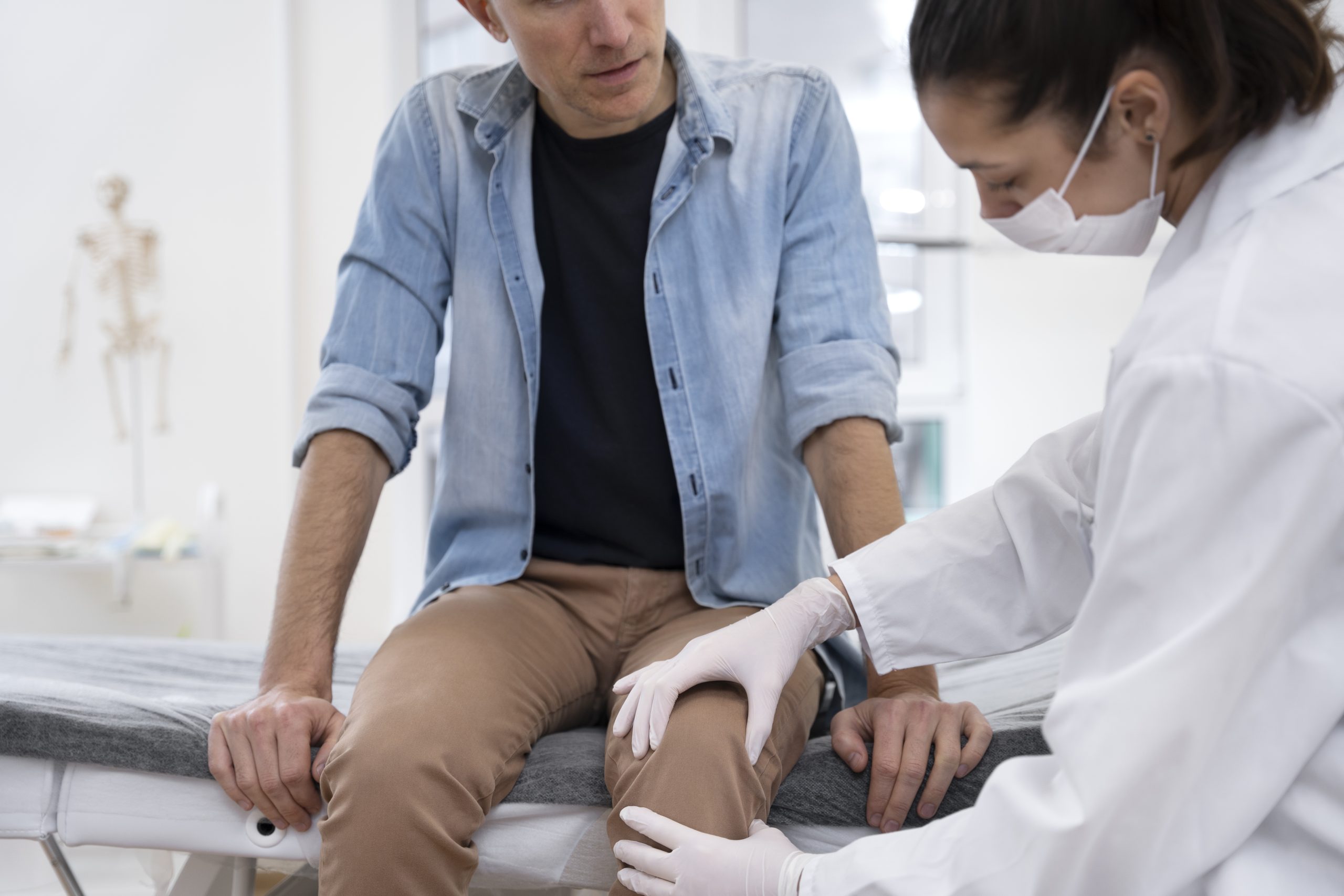
Knee ligament reconstruction is a surgical procedure that repairs or replaces torn ligaments in the knee, such as the ACL, PCL, MCL, or LCL, to restore joint strength, stability, and mobility. The surgery is often performed using minimally invasive arthroscopy, where a graft from the patient or a donor is used to reconstruct the damaged ligament. It is recommended for patients with severe ligament injuries that cause pain or instability. Recovery involves physiotherapy, pain management, and adherence to post-surgery care for optimal healing and return to normal activity.
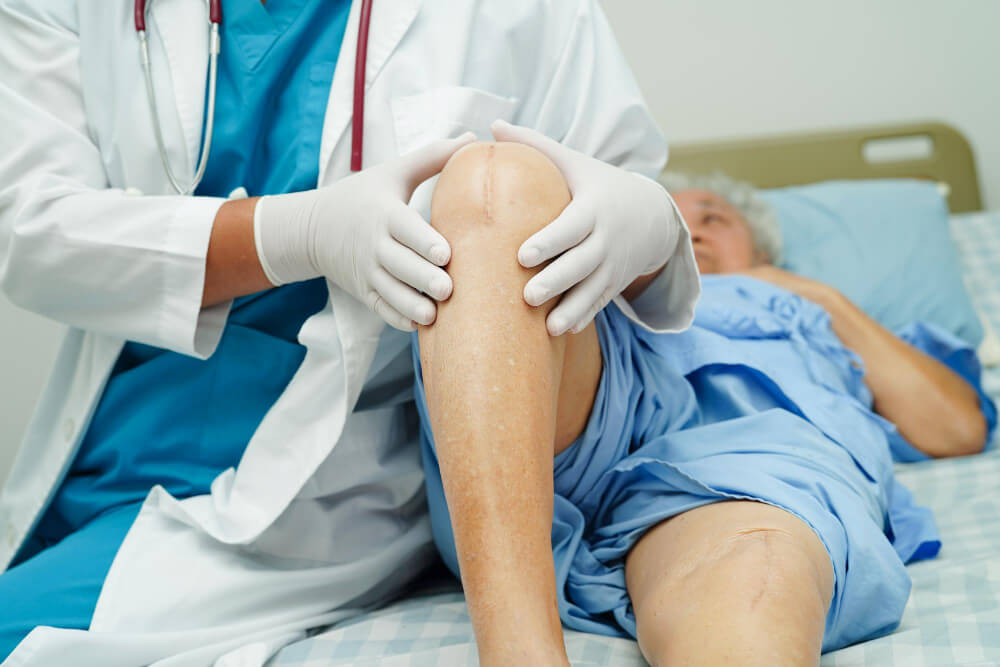
Knee arthroscopy is a minimally invasive surgical procedure used to diagnose and treat various knee problems such as ligament injuries, meniscus tears, tendon damage, fractures, and synovitis. The procedure involves inserting a small camera (arthroscope) through tiny incisions to view and repair the knee joint. It is typically recommended when non-surgical treatments fail to relieve pain or restore mobility. Recovery is usually faster than open surgery, with most patients resuming normal activities within weeks under proper care and physiotherapy.

Total and partial knee replacement are surgical procedures that replace damaged or worn parts of the knee joint with artificial implants. These surgeries help relieve pain, restore movement, and improve quality of life for patients with severe arthritis, injury, or joint degeneration.

Cervical discectomy is a surgical procedure that removes a damaged or herniated disc in the neck (cervical spine) to relieve pressure on spinal nerves. During the surgery, the affected disc is removed through a small incision, and a bone graft or implant may be used to stabilise the spine. This treatment helps reduce neck pain, stiffness, and nerve-related symptoms such as arm pain or numbness, allowing better neck mobility and long-term relief.

Lumbar fusion is a surgical procedure that permanently joins two or more vertebrae in the lower spine using bone grafts or implants. By fusing the vertebrae into a single solid bone, the procedure stabilises the spine, reduces painful movement, and helps treat conditions such as arthritis, spondylolisthesis, fractures, or scoliosis.

Rotator cuff repair is a surgical procedure to reattach torn shoulder tendons to the upper arm bone. It may be done arthroscopically or through open surgery, helping restore strength, relieve pain, and improve shoulder mobility.

Hip arthroscopy is a minimally invasive surgery that uses small incisions and a camera to diagnose and treat hip conditions such as labral tears, impingement, tendon injuries, and loose bone or cartilage. It helps relieve pain, restore mobility, and support faster recovery compared to open surgery.

Meniscus surgery is a minimally invasive procedure to repair, remove, or replace damaged knee cartilage. It helps restore joint stability, relieve pain, and improve mobility, with recovery depending on the type of surgery performed.

Ankle arthroscopy is a minimally invasive surgical procedure that uses small incisions and a camera to diagnose and treat ankle pain, instability, ligament damage, impingement, scar tissue, and loose bone fragments to help restore mobility and function.

Treatments for lower back pain include physical therapy, lumbar epidural steroid injections, spinal fusion, disk replacement and more!

Spinal cord stimulation (SCS) treats chronic pain by delivering mild electrical pulses to targeted areas of the spinal cord. SCS consists of a small device with a built-in power source, connected to insulated wires called leads, which are placed near the spinal cord to deliver low-intensity electrical impulses.

A lumbar discectomy is a surgical procedure that removes part or all of an intervertebral disc in the lower back (lumbar spine). It is commonly performed to treat herniated discs, where the soft centre of the disc (nucleus) pushes through the outer ring (annulus).
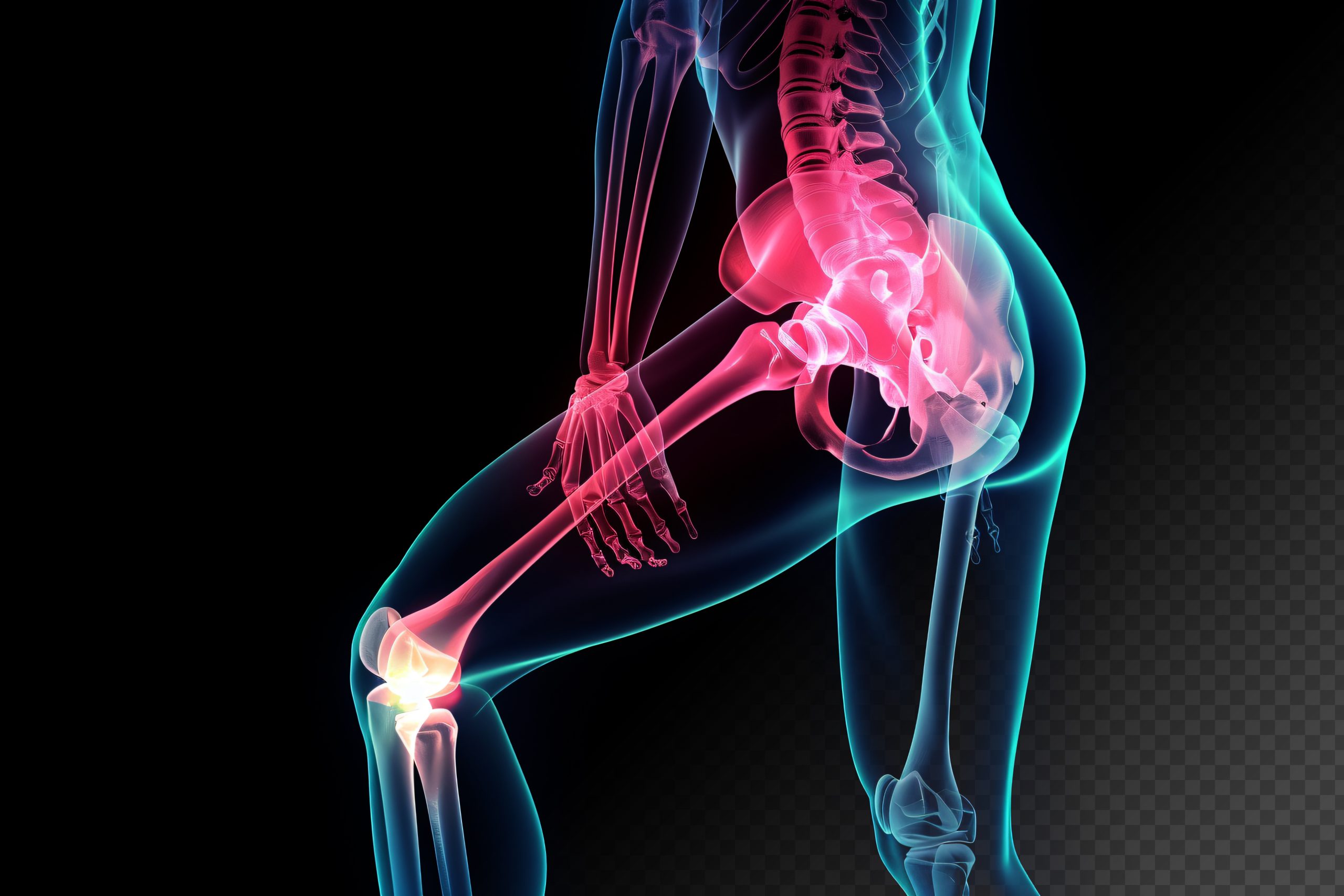
Total or hemiarthroplasty (also known as total or partial hip arthroplasty) is an extensive surgical procedure that replaces a part or the entire hip with artificial implants. It is a corrective procedure that helps address mobility issues caused by hip damage or degeneration.

Total/partial shoulder replacement is a surgical procedure involving partially or entirely replacing a damaged shoulder joint with prosthetic implants. It is recommended for various shoulder-related medical conditions and injuries, including osteoarthritis and severe fractures.

The non-surgical treatments available for bone spurs are first-aid, medication, and physical therapy. Surgical removal of bone spurs is usually reserved for patients who experience severe pain and when other treatments are ineffective.
Regular exercise can be beneficial in preventing spinal stenosis, on top of lifestyle changes to help you manage pain and other symptoms. Mild cases can be managed with nonsurgical methods, while severe cases require surgical intervention to treat and improve health outcomes.
Surgery for lumbar radiculopathy is rare and reserved for patients with severe conditions that have seen little improvement after some time. There are non-surgical treatments for this condition, such as first-aid, medications, physical therapy, alternative therapies, and corticosteroids.
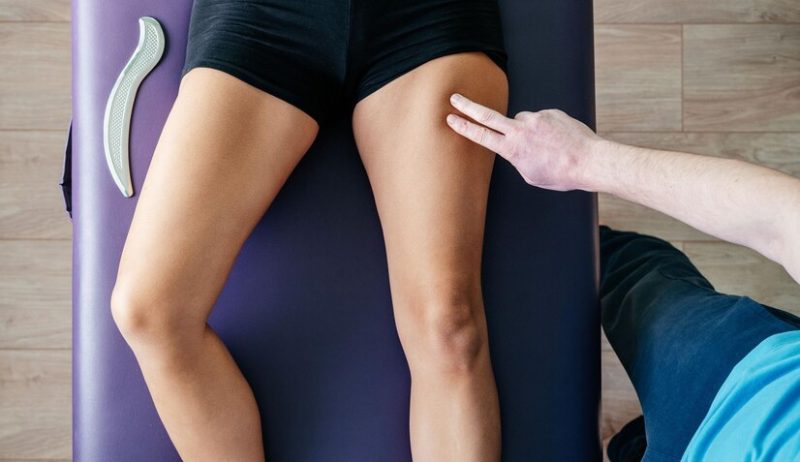
Low-grade labrum tears usually won’t affect your lifestyle too much, but it’s important to take care of yourself to prevent it from worsening. Labral repair or reconstruction is the best way to completely restore its functions; make sure to get sufficient rest to allow it to heal properly.


Spinal instability can occur at any region of the spine. When it occurs in the lumbar region then it is known as lumbar instability. It is an example of an unhealthy spine. This leads to abnormal movement between two or more vertebrae in the spine.

Bursa is a small fluid-like sac that can be found throughout the body, located in areas where repetitive movements or pressure are constant. It can be treated by surgical and non-surgical treatements.
In the event of a dislocation, the two bones become separated, which is usually caused by a significant force. This not only pushes the bones out of place but may also cause damage to the surrounding soft tissues, including tearing of ligaments, and tendons, or in severe cases, even affect the nerves and blood vessels.
Whiplash is a condition where you experience a neck injury from sudden movement. While its name may seem to refer to a single concept, it can give rise to a wide range of conditions.

A spinal tumor is an abnormal growth of cells that can be found within or around your spinal cord. While spinal growths can happen in any part of the spine, they are more commonly found in the thoracic and lumbar regions.

Tennis elbow also referred to as lateral epicondylitis, is caused by the overuse of muscles which connect your forearm to your elbow.

Golfer’s elbow, also known as medial epicondylitis, is a condition that causes pain and discomfort on the inside of your elbow.

A slipped disc, also known as a herniated disc, happens when the soft inner core of a disc, called the nucleus pulposus, pushes through the tough outer layer, called the annulus fibrosus.

At Avant Orthopaedics, we always encourage our patients to be active in sports to keep themselves in shape.

Osteoporosis is characterised by gradual bone loss or weakening due to age and various factors, including lifestyle choices. Osteoporosis increases the risk of bone fractures even from minor falls, especially affecting the hip, spine, and wrist.

You might have heard it being referred to as muscle strains. These terms are often used interchangeably as they are of a similar nature. However, tears, and strains have minor differences that set them apart.
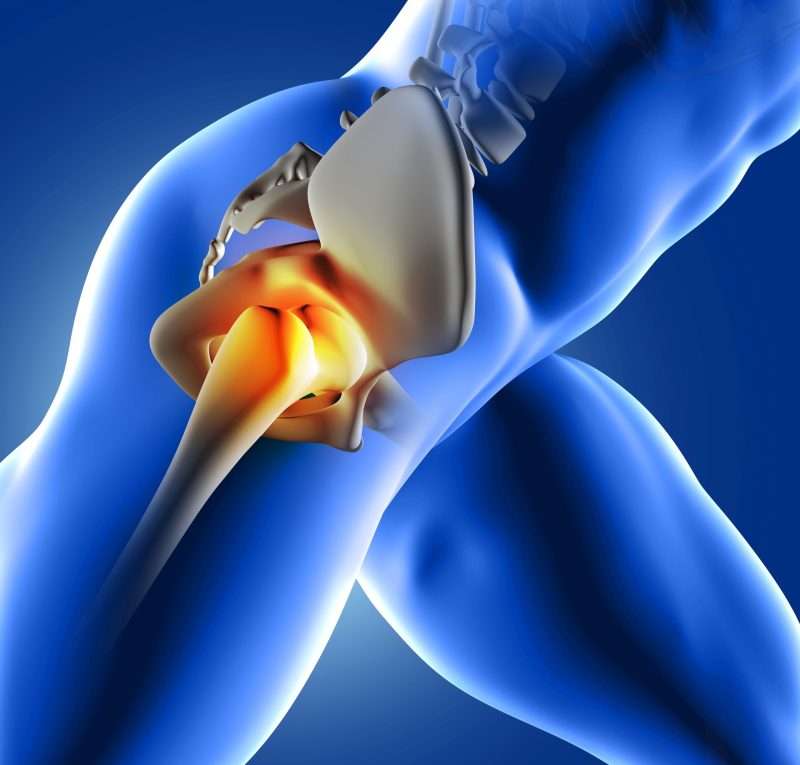
Understanding when to reach out for professional guidance is crucial in managing hip pain effectively and preventing potential complications.

Foot and ankle pain can manifest in various ways, and the symptoms you experience can vary based on the underlying cause of the pain. Here are some common symptoms.

Suffering with back pain? We at Avant Orthopaedics offer surgical and non-surgical treatment options to improve your spinal condition health.

Understanding the intricacies of neck anatomy is essential for comprehending the origins of neck pain and the factors influencing its development.

Be aware of any shoulder pain symptoms. Shoulder pain makes it difficult to complete everyday activities. Discover the available treatments here!

