
Symptom, Causes & Diagnosis of Osteoarthritis (OA)
Book An Appointment

Key Takeaways
- Osteoarthritis (OA) is the most prevalent type of arthritis and it may even be asymptomatic in some individuals.
- Although OA is associated with the natural process of ageing, younger people are also at risk of having this disease.
- Patients who have had a history of joint injuries are more susceptible to developing OA.
- OA symptoms generally include inflammation, swelling of joints, joint and muscle soreness, and stiffness of the affected joints or reduction in movement.
- OA symptoms and the progress of OA can be relieved and decelerated by maintaining a healthy lifestyle and various treatment methods.
What is Osteoarthritis?
Osteoarthritis (pronounced as aus-tea-oh art-right-is), or OA, is the most common type of arthritis. Osteoarthritis is a condition that affects the entire joint, including the bone, cartilage, fat, ligaments, and the tissues lining the joint. This condition commonly affects joints like the hips, knees, lower back, and spine, bearing your body weight. It can also affect other joints, such as the fingers, neck, and large toe.
Dubbed as the “wear and tear” arthritis, osteoarthritis commonly affects adults older than 50 years of age following the deterioration of cartilage in joints. However, many factors could lead to the diagnosis of OA, which may affect younger people as well. Some factors include a prior joint injury, excessive stress on the joints, or other abnormalities with the cartilage.
What Causes Osteoarthritis?
Osteoarthritis happens when the cartilages located in between the bones deteriorate. The cartilage, a firm, smooth tissue cushioned at the ends of the bones, functions as a buffer between the bones to allow smooth, frictionless joint movement. Damaged cartilage will cause bones to rub against each other during movements, inevitably causing pain, stiffness, and loss of mobility.

Image sourced from Medical News Today
Risk Factors of Osteoarthritis
- Age: Although young people can also experience osteoarthritis, it is more common among older people aged 50 and above due to the natural wearing and tearing of cartilage. According to the World Health Organization (WHO), about 73% of people diagnosed with OA are older than 55 years of age.
- Genetics: Some people inherit genetic defects that are responsible for producing cartilage. As a result, they have defective cartilages that increase the deterioration of joints. For example, people who are born with scoliosis (curvature of the spine that is normally straight) have a high possibility of developing spinal osteoarthritis. They may also inherit genes from family members who have OA.
- Gender: Approximately 60% of people living with OA are women, making them more likely to be diagnosed with the health condition as compared to men.
- Injury: Prior joint-related injuries can increase the possibility of having osteoarthritis at a more rapid pace, such as a torn anterior cruciate ligament (ACL) or damaged meniscus (the tough fibro-cartilage tissue inside the knee).
- Joint overuse: Overusing certain joints increases the risk of developing osteoarthritis. People in heavy-duty jobs and athletes are more prone to OA due to repetitive pressure on joints, most cases involving the knees.
- Obesity: The more a person weighs, the more pressure and stress are placed on the joints, particularly at the knee, hip, and spine.
- Other diseases: As reported by the Arthritis Foundation, patients with diabetes may experience joint damage because high blood sugar levels accelerate the formation of molecules that stiffen cartilage, making them more sensitive to mechanical stress. Diabetes may also cause systemic inflammation, which leads to cartilage loss, hence developing OA.
What are the Symptoms of Osteoarthritis?
We know by now that Osteoarthritis can attack any joints in the body. Typical symptoms of OA are:
- A “pop” or “click” sound when a joint bends.
- Stiffness in the joints after resting.
- Swelling and muscle weakness around a joint.
- Flexion contracture or limited range of motion.
- Joint aching and pain during and after activities and movement, especially after prolonged activities.

Specifically, signs of OA at varying parts of the body include:
- Fingers: Pain and swelling at the joints of the fingers that may cause bony enlargements at the joints.
- Hips: Discomfort at the inner knee or thigh, the groin area, and buttocks.
- Knees: A “scraping” feeling during movement and, over time, knee buckling (when a knee gives out).
- Feet: Pain in the balls of feet and heels and swelling of the joints, leading to bony growth at the base of the big toe.
How is Osteoarthritis Diagnosed?
In diagnosing osteoarthritis, you need to undergo an osteoarthritis screening to determine the severity of the condition. This step will decide the next course of action to treat your OA symptoms.
You will begin by visiting a primary care doctor to discuss the joint pain you are experiencing. During this stage, you will:
- Undergo a physical examination to assess your overall health, physical symptoms of affected joint(s), and your reflexes;
- Provide your medical history, including the symptoms of your joint pain, other pre-existing health conditions you and your family members have, as well as the medications you are taking.
Other diagnostic tests
Your doctor may also order other diagnostic tests to make a diagnosis. These tests include:
- X-ray scan: This scan shows the damaged bone and joint or any changes due to OA, such as loss of joint space and bone spurs.
- Magnetic resonance imaging (MRI): It provides a clearer image of damaged cartilage and other parts of the joint, like ligaments and tendons.
- Blood test: This test helps rule out other possibilities that may cause joint pain.
- Joint fluid samples: This test identifies infections or crystals in the fluid that may cause other forms of arthritis or medical conditions, such as infections, gout, or rheumatoid arthritis.
How to Treat Osteoarthritis
There is currently no known cure for osteoarthritis, so early detection is your best bet at preventing or slowing it down. However, there are several treatment methods that you can practise to relieve and manage the symptoms.
Treating Osteoarthritis without surgery
Medication
Various anti-inflammatory medicines can treat osteoarthritis symptoms by applying creams, gels, and patches, consuming pills, or getting injections. Generally:
- Pills: Various medicines can treat OA symptoms according to the severity of the pain. Acetaminophen or Tylenol can treat mild to moderate OA pain; Nonsteroidal anti-inflammatory drugs (NSAIDs) like Ibuprofen can relieve inflammation and lessen pain, and Tramadol (Ultram), which is highly regulated and only available by prescription, help alleviate moderate to moderately severe OA pain.
- Patches: Aside from oral medicine, you can also apply topical analgesics in the form of pain relief patches, gels, creams, or sprays directly over the affected joints. These analgesics are applied and rubbed on joints placed closer to the skin’s surface, like the joints in the hands or knees.
- Injections: You may opt for direct injections to joints as a supplementary treatment if oral and applied medicines do not work. Injection of corticosteroids, an anti-inflammatory drug, can provide instant pain relief, while hyaluronic acid imitates the natural fluid in joints, increasing mobility.
Therapy

There is no one-size-fits-all solution for treating symptoms of Osteoarthritis. You can dabble in various forms of therapy to know what works best for you. For instance:
- Physical therapies: Specific exercises to strengthen and stabilise your joints and alleviate pain and swelling will be taught to you by physical therapists. You may also need to wear assistive devices like knee and wrist braces, a walking cane, and finger splints to ease movement and protect joints.
- Acupuncture: A type of Traditional Chinese Medicine (TCM) that involves the insertion of needles into specific points of the body to relieve pain.
- Massages and relaxation techniques: Self-massaging joints and muscles and mind-calming techniques like deep breathing can reduce OA pain and loosen up muscles from stress.
- Infuse heat and chill: Heat such as heating pads and warm baths can improve blood flow and relax joint stiffness, while ice packs can reduce pain and swelling of joints and muscles.
Treating Osteoarthritis with surgery
If the pain becomes increasingly unbearable even with regular medication, you should opt for joint replacement surgery or arthroplasty. This procedure restores mobility, treats joint stiffness, and alleviates pain by substituting damaged joints with prostheses or artificial joints made with ceramic, metal, or plastic.
Generally, a doctor performs an arthroplasty to replace joints at the hips, knees, and shoulders. The procedure removes the damaged cartilage and bone before the doctor inserts the artificial joint and other prosthetic parts to replicate natural tissues. Surgeons may also need to reshape bones around the joint to fit the new prosthetic joint.

Depending on the severity of your symptoms, surgeons may offer the following surgical procedures:
Partial joint replacement surgery
Also referred to as joint resurfacing, this procedure replaces some parts of the affected joint with a specially designed prosthesis. Patients who don’t experience severe OA symptoms and still possess good flexibility, functional ligaments, and overall knee stability are candidates for partial joint replacement surgery.
Total joint replacement surgery
This procedure substitutes all parts of the affected joint with a prosthetic joint. The inserted implant replicates the movement of a normal, healthy joint.
Bone realignment surgery
Bone realignment surgery or osteotomy is another procedure that can aid OA symptoms. This surgical procedure cuts and reshapes a bone to change its alignment. It is helpful when one side of a pair of limbs (a pair of knees) is more damaged from OA than the other.
How to Prevent Osteoarthritis

Maintaining a healthy lifestyle can alleviate symptoms and slow the progression of OA. Consuming a nutritious diet, exercising regularly, getting adequate rest, and avoiding substance consumption like cigarettes and alcohol will work wonders for your health.
- Healthy weight: Try to lose weight because fat cells promote inflammation of the joints. A healthy weight can decrease the rate of OA progression in weight-bearing joints such as the hips, knees, and ankles.
- Regular exercise: Keep a moderate exercise routine that does not exert too much pressure on the joints, such as aerobics, balance exercises, muscle strengthening exercises, and stretching. Wear appropriate and supportive attire, particularly effective footwear and knee braces or other assistive devices if needed.
- Avoid overdoing your exercise: Before your exercise routine, take the time to do warm-ups to prepare your body. Always maintain a stable posture while exercising, and cool down between strenuous physical activities. Avoid overextending yourself during your exercise routine.
- Treat injuries promptly: Getting an injury puts you at risk of OA later in life. Falls and other accidents are hard to avoid, so seek prompt medical attention if you injure yourself. Do not ignore any pain or discomfort you may feel right after an injury.
- Control your blood sugar levels: High blood sugar is also a risk factor for OA. Manage your levels carefully by watching your diet.
Frequently Asked Questions (FAQ)
Yes, Osteoarthritis is a chronic disease. It is a long-term health condition that requires ongoing medical attention and treatment, or it could limit daily activities and affect the quality of life.
Although unconcluded, studies suggest that there is a relationship between the production of estrogen (a hormone that is more present in women than men) and the development of Osteoarthritis. They find that many postmenopausal women have OA due to a decline in estrogen levels, which hypothetically enhances pain sensitivity.
While there is yet a scientifically proven relationship between weather change and arthritis, a lower temperature does contribute to joint pain. This is because a drop in temperature or low barometric pressure means lesser air compression on our bodies. As a result, this leads to the swelling of tissues, which can cause joint irritation.
Related Conditions
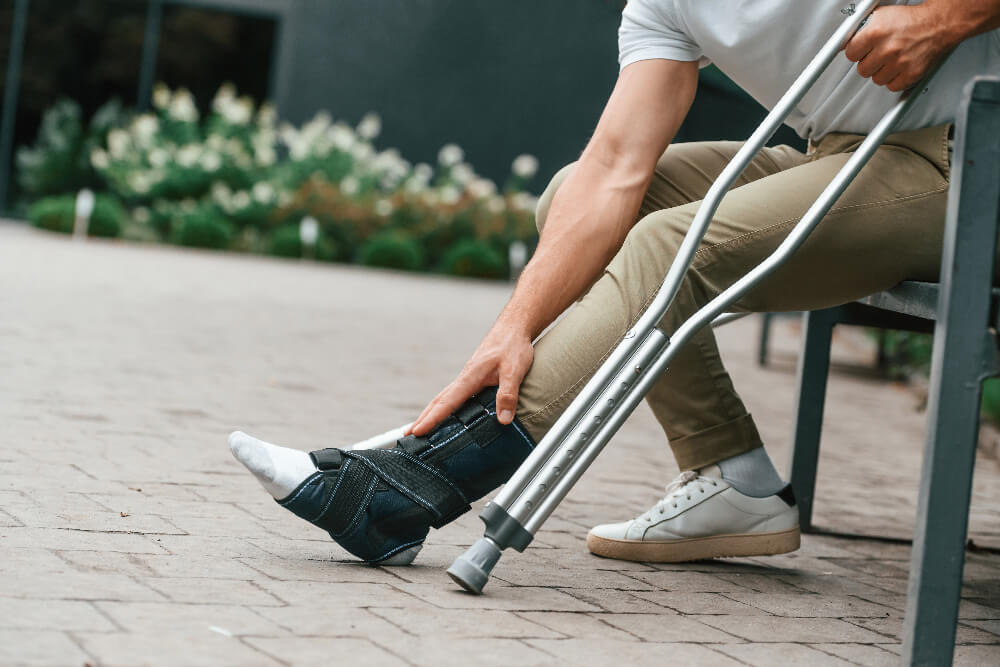
Fractures and dislocations are common injuries caused by trauma, falls, or accidents that affect bones and joints. A fracture refers to a break or crack in a bone, while a dislocation occurs when bones in a joint are forced out of position. Symptoms include pain, swelling, deformity, and limited mobility. Diagnosis involves physical examinations and imaging tests such as X-rays or MRI scans. Treatment varies depending on severity, including immobilisation, the PRICE method, or surgery such as open reduction and internal fixation. Proper care, rehabilitation, and preventive measures like regular exercise, bone screening, and a healthy diet support recovery and help prevent future injuries.
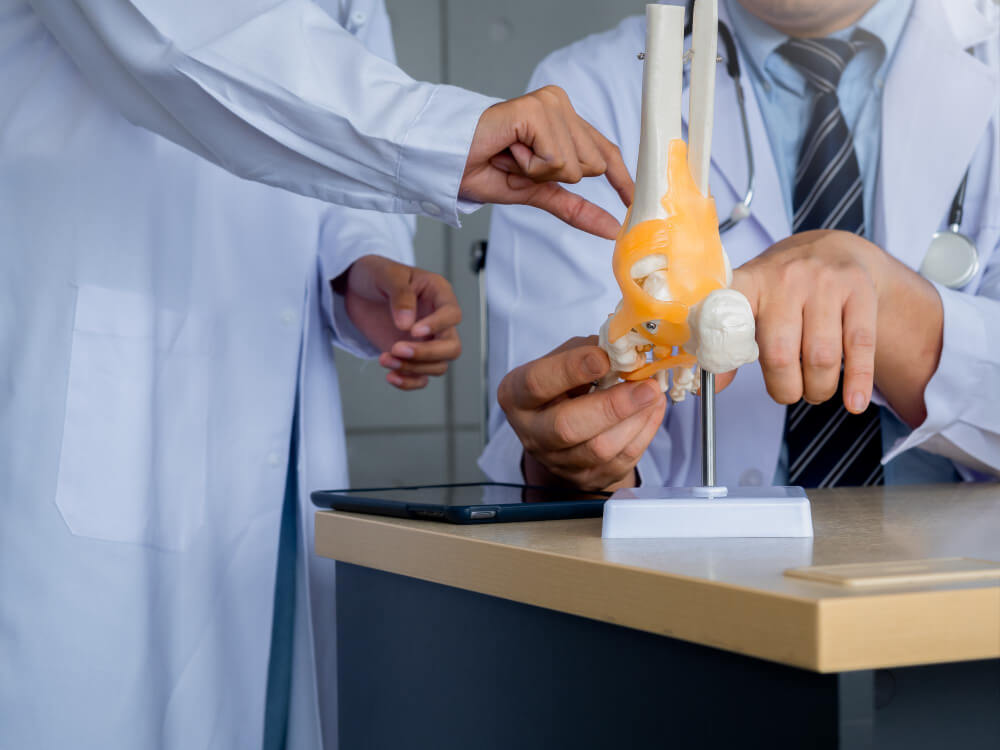
Bone tumours are abnormal growths found within any bone in your skeletal system. However, bone tumours may typically be found on the larger bones in your body, including the femur, tibia, humerus, ribs, spine, and pelvis. In most cases, bone tumours are benign (non-cancerous) and will usually go away after some time, even without non-surgical interventions.
Find Us Here
Novena
9 AM to 1 PM (Saturday)
Closed on Sundays and Public Holidays
Parkway
9 AM to 1 PM (Saturday)
Closed on Sundays and Public Holidays

