Osteoporosis Pain: Surgical vs. Non-Surgical Treatments
Book An Appointment
Key Takeaways
- Osteoporosis is characterised by gradual bone loss or weakening due to age and various factors, including lifestyle choices.
- Osteoporosis increases the risk of bone fractures even from minor falls, especially affecting the hip, spine, and wrist.

What is the Definition of Osteoporosis?
Osteoporosis is a medical condition that causes weak and brittle bones, as it reduces bone mass and changes their structure or strength. This condition may even weaken bones to the extent that even minor stressors such as a cough or bumping into an object can cause fractures. Adding on, osteoporosis often progresses silently without any symptoms, with individuals being unaware of their worsening bone health until a fracture occurs.
What are the Treatments for Osteoporosis?
Early detection of osteoporosis can be instrumental in preventing a fracture from occurring. In most instances, cases of osteopenia or early-onset osteoporosis can be treated without requiring extensive surgery.
Treating Osteoporosis Without Surgery
Treating Osteoporosis via Medications
Â
While medications cannot prevent accidental bone breakage, they can still help slow down bone loss and allow bone remodelling. Medications are generally prescribed for cases where you may have had a broken spinal or hip bone and a T score below -1.
Bisphosphonates are the most commonly prescribed osteoporosis medication. They slow down bone loss enough that the body can catch up with bone remodelling. Depending on your doctor's recommendation, they may be prescribed in pill or IV infusion form. They do still have a risk of causing side effects such as nausea, abdominal pain, or muscle aches.
A range of different medications is used to treat Osteoporosis.
Primarily targeted for postmenopausal women, SERMs help improve estrogen levels needed to build bone and maintain its durability. Other forms of hormone therapy, including testosterone replacement therapy for men, are available and may have their benefits.
Bisphosphonates are a class of medications commonly prescribed to treat osteoporosis. They work by inhibiting bone resorption, which helps maintain bone density and reduce the risk of fractures. Some well-known bisphosphonates include alendronate, risedronate, and ibandronate. These medications are usually taken orally, as an injection or, in some cases, administered intravenously.
Denosumab is a medication that works by inhibiting bone resorption. It is administered via injection and can be an alternative for those who cannot tolerate or do not respond well to bisphosphonates. It also reduces the risk of fractures by improving bone density.
Supplements may be taken alongside medications or any other prescribed treatments by your healthcare provider.
Calcium is crucial in the prevention of brittle bones and is absorbed from a good diet, as well as natural sunlight. The majority of calcium absorbed goes towards the bones and teeth, which assist in maintaining their density and strength, while the rest goes to the rest of the body.
Food groups that provide a high amount of calcium include:
- Dairy
- Leafy green vegetables
- Canned salmon or sardines
- Beverages fortified with calcium
However, if you have an insufficient calcium intake, your medical provider may suggest having calcium supplements.

Vitamin D aids in calcium absorption, making it a vital nutrient for bone health and preventing brittle bones. This vitamin can be obtained by being exposed to natural sunlight and incorporating certain food groups into your diet, such as:
- Fatty fish
- Egg yolks
- Cod liver oil
- Cheese
Your healthcare provider can determine whether you need vitamin D supplements based on your dietary intake and individual requirements.
Treating Osteoporosis via Physiotherapy
If you are recovering from a mild or chronic fracture, physiotherapy can help restore your balance and strength while slowing the progression of osteoporosis, ensuring you can enjoy a positive quality of life. Your physiotherapist will show you various exercise methods to help with this based on the nature of your recovery and ensure you can slowly increase your frequency of exercises at a comfortable pace.
Weight-bearing exercises are a simple way to improve bone density, strengthen muscles, and maintain balance to prevent future falls. You can start with brisk walking, light jogging, and stomping exercises and slowly try other exercises with the guidance of your physiotherapist. You can also include non-weight-bearing exercises like swimming and cycling to improve your balance and overall strength further.
Treating Osteoporotic Fractures With Surgery
In cases of bone breakage, surgery is necessary to restore mobility and reduce the risk of other complications that can worsen the condition or impact the quality of life. Most osteoporosis-related surgeries typically treat hip, spine, and wrist fractures.
Surgery for Osteoporostic Hip Fractures
A partial or total hip replacement involves replacing a portion of, or the entire, hip joint with sturdy artificial parts. The procedure involves making an incision along the front, side, or back of the hip to reach the joint while being careful not to damage the muscles. The damaged section of the femoral head is then removed (together with the lining of the cup portion of the hip joint, when undergoing a total hip replacement).
Once the removal is complete, the surgeon will carefully install the prosthetic components and stitch up the incision. You will be encouraged to move again with proper support and regular physiotherapy after surgery. However, you may require support for a period of time during your recovery; recovery can take anywhere from a few weeks to a few months, depending on a person’s health. Speak to your doctor about what you can do to help improve your recovery rate, but be sure not to rush things.
Kyphoplasty/Vertebroplasty for osteoporotic spinal fractures
Kyphoplasty and vertebroplasty can help repair spinal compression fractures caused by osteoporosis. For vertebroplasty, medical cement is injected in to the fractured bone to support the fragments of the fractured bone. When performing a kyphoplasty, a balloon is inserted in to the fractured bone, and is then inflated to create a space and improve the position of the fragments of the collapsed bone. This balloon is then removed, and medical cement is injected in to the space created to hold the bone fragments in position.
Both procedures are minimally invasive, requiring a small incision on your back to access the spine. The surgeon will insert a hollow needle called a trocar into the incision and move it towards the compressed vertebra, guided by fluoroscopy, a kind of X-ray, to reach its intended destination.
Surgical Management of Wrist Fractures that are Associated with Osteoporosis
For complex wrist fractures, the surgeon may need to immobilise the wrist fracture with pins, plates or screws to hold the bone fragments in place. Over time, your bones should gradually heal on their own. A second method involves pins carefully inserted through your skin and into the bones, attaching them to an external fixator; the device pulls the bones into place and holds them in that position while they heal. It is only removed after the bones fully heal.
How Can You Prevent Osteoporosis?
Taking preemptive steps to slow down osteoporosis can do a lot of good for your overall well-being. Here are a few tips to help you with long-term prevention:
- Exercise as often as possible, but be sure not to overexert yourself, as this can put you at risk of another fracture.
- Remove any fall hazards in and around your home to minimise the risk of falls.
- Cover slippery surfaces with a firm, anti-slip rug or carpet.
- Maintain a healthy weight and a healthy diet. Eat more fruits, vegetables, nuts, and protein-rich seafood while reducing sugar, salt, and fat.
- Avoid overexerting your body during manual labour and adopt proper posture when lifting heavy items.
- Ensure you have a sufficient calcium and vitamin D intake to help maintain bone density.
- Avoid sudden, rapid twists and movements that might strain your bones.
- Quit smoking and reduce alcohol consumption, as both are notable risk factors for osteoporosis.

You can keep your bones healthy through diet by having the minimal intake recommendation for Vitamin D and Calcium. However, this does not mean that certain food groups must be favoured above others, as other nutrients such as protein, potassium, and magnesium can also contribute towards preventing weak bones
You can modify your home environment with fall prevention in mind. The first step is to identify and remove tripping hazards, such as loose rugs, clutter, and clearing blockages in the living space. Then ensure proper lighting at entryways, stairways, and hallways, to reduce the risk of missteps as well as falls. You may also want to consider adding handrails in bathrooms and stairs, for maintaining balance along with improving safety.
For individuals at a high risk of falls, assistive devices like canes or walkers can provide stability and reduce the likelihood of accidents.
A bone density test can determine whether you have osteoporosis or are at risk for developing it. It is carried out by using X-rays to measure the amount of calcium and bone minerals contained in a specific segment of your bones. The most common areas for these screenings to be carried out are in the hip, spine, and forearm. These screenings can assess your bone health and guide preventive measures and treatment if needed.
What are the Risk Factors of Osteoporosis?
Lack of regular weight-bearing exercises and physical activity can weaken bones. You don’t have to engage in strenuous activities, as exercises such as walking, jogging, and weightlifting can stimulate bone remodelling and strengthen bones. Just like our muscles, bones can strengthen with constant training as well as weaken with disuse.
Heavy alcohol consumption can negatively impact bone health by interfering with calcium and Vitamin D absorption, impairing bone formation. It can also decrease estrogen and may lead to irregular periods, along with bone loss. Further worsening the problem, having too much alcohol also kills bone-making cells named osteoblasts.
Frequently Asked Questions
As we age, we gradually become at higher risk of osteoporosis and broken bones, even if we live very active lifestyles. The good news is that you can still slow down the progression of osteoporosis by exercising, eating a balanced diet, and avoiding risk factors like smoking. While we cannot completely prevent osteoporosis, we can still strengthen our bones as best we can.
Caffeine does have a small but meaningful adverse impact on our bone health, but you can still enjoy the occasional cup or two a day as long as you ensure you have a high calcium intake to balance things out. It never hurts to enjoy your favourite food and drinks in moderation.
You should avoid performing movements that bend your waist forward or backward, as that can increase the risk of a spinal fracture. Gentle twisting motions are generally safe, but it would be best to consult a physiotherapist or orthopaedic specialist before you start any yoga sessions.
Spine and Back Pain Specialist in Singapore
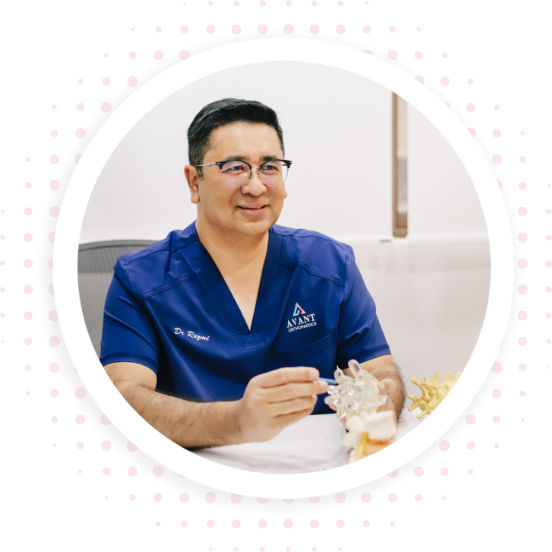
Dr. Razmi
FAMS (Ortho) | M Med (Gen Surg) (SG) | FRCSEd (Gen Surg) | MBBS (SG)

Dr. Razmi, a practicing orthopaedic and spine consultant at Mount Elizabeth Novena Hospital.
Dr Razmi routinely performs discectomy (minimally invasive surgery), decompression surgery, spinal fusion, motion preservation surgery including dynamic stabilization and dynamic fusion technologies and lumbar and cervical disc replacements. He is the first surgeon in Singapore to perform stand-alone anterior approached spine fusion using the Synfix implant.
Are You or Your Loved Ones At Risk of Osteoporosis?
Osteoporosis is a condition that can easily go undetected, and early detection can improve treatment outcomes. Whether you or your loved ones are facing this condition, feel free to book an appointment with us at Avant Orthopaedics, and we will provide you with a personalized consultation.
Related Treatments
Spinal cord stimulation (SCS) treats chronic pain by delivering mild electrical pulses to targeted areas of the spinal cord. SCS consists of a small device with a built-in power source, connected to insulated wires called leads, which are placed near the spinal cord to deliver low-intensity electrical impulses.
Regular exercise can be beneficial in preventing spinal stenosis, on top of lifestyle changes to help you manage pain and other symptoms. Mild cases can be managed with nonsurgical methods, while severe cases require surgical intervention to treat and improve health outcomes.
Find Us Here
Novena
9 AM to 1 PM (Saturday)
Closed on Sundays and Public Holidays
Parkway
9 AM to 1 PM (Saturday)
Closed on Sundays and Public Holidays


