
Overuse Injuries: Symptoms, Causes & Treatments
Book An Appointment
Key Takeaways
- Overuse injuries occur when you constantly use specific body parts without rest, causing micro-traumas that gradually harm these body parts.
- Overuse injuries include tendonitis, carpal tunnel syndrome, and tennis elbow, which all result from work or sports-related injuries or stress.
- In most cases, overuse injuries only require sufficient rest and medical attention to heal properly; surgery may only be necessary if the injury is slow to recover, even with non-surgical treatment.
- Pacing your activities and reducing or managing repetitive motions can help prevent overuse injuries.
What are Overuse Injuries?

Also known as repetitive strain injuries or cumulative trauma disorders, overuse injuries refer to damage affecting a part of the body due to constant, repetitive use. They typically occur due to work or sports-related injuries, such as straining your hands after long hours typing at your computer or from repeated gymnastic practice sessions. These injuries can affect anyone at any age, particularly since repeated actions gradually cause micro-trauma that eventually becomes a full-blown injury.
Common Symptoms of Overuse Injuries
Overuse injuries typically start with seemingly benign symptoms, such as mild discomfort, tingling, and occasional numbness. These symptoms can easily be mistaken as overexerting yourself, as they tend to fade away with rest. Eventually, repeated stress on the affected body part can lead to a more significant injury with more telling symptoms.
- Sharp or dull pain in the affected area, especially when using it for work or sports.
- You have difficulty opening doors or handling objects.
- Frequently experiencing “pins and needles” sensations during daily activities.
- Pronounced stiffness when trying to move the affected area.
- Tenderness and swelling in the affected areas.
- Occasional muscle spasms or tightness.
Common Types of Overuse Injuries
Carpal Tunnel Syndrome

This injury refers to the compression of the median nerve that runs through the carpal tunnel in your wrist. Various activities or conditions can gradually cause the carpal tunnel to narrow, pressing onto this nerve and causing pain and numbness throughout your hand, including the fingers. Symptoms may include a loss of grip strength or a permanent impairment in hand functions.
Tendonitis

This condition is characterised by inflammation of the tendons, primarily due to overuse or sudden, unexpected trauma to the tendon. As a result, it can cause a dull ache in the affected area, tenderness, and mild swelling.
Bursitis

Bursitis occurs when tiny, fluid-filled sacs called bursae become inflamed. It is primarily caused by repetitive motions or positions that put substantial pressure on the bursae, which is essential for reducing friction between the moving parts in your body’s joints.
Tennis Elbow

Despite the name, tennis elbow does not solely affect tennis players. When you overuse your elbow muscles and tendons, you may be at risk of developing tennis elbow. Pain can potentially spread to other parts of your arms as well.
What Causes Overuse Injuries?

Our bodies are constantly in motion doing various things, from lifting objects to typing at the computer and participating in sports activities. The more often we use specific body parts to do these things, the more likely we are to gradually strain ourselves, especially if we have not been getting proper rest between activities. While our body does its best to heal itself, pushing our body’s limits causes it to have difficulty keeping up with our pace. Overuse injuries can also result from not moving much but placing undue stress on our bodies over a long time, such as sitting down for long hours at work.
Some of the more common causes may include:
- Repeated physical activity with few or no breaks in between.
- Repeated hand or leg motions to complete specific tasks.
- Working out without warming up or stretching beforehand.
- Frequent physical impacts from jumping, running, or other physical activities.
- Poor posture when standing or seated.
How to Diagnose Overuse Injuries
Diagnosing with a Physical Examination
Your doctor will perform a physical examination to ascertain if you have an overuse injury. Besides taking your medical history, they will carefully assess your current physical condition and examine where you feel pain or discomfort. You may experience discomfort during the examination; be sure to inform your doctor if the pain is unbearable. Your doctor will carefully assess the injured areas and slowly look for symptoms like swelling and tenderness. Depending on which body part is affected, they may perform other physical tests like checking your range of motion.
Diagnosing with Imaging Tests
Additional tests can help to confirm the diagnosis, especially if the physical exam does not give a satisfactory result. These tests could also help differentiate your condition from other conditions that share similar symptoms.
- X-ray scan: The X-ray can provide a clear picture of dense structures like bone, allowing the doctor to look for any bone damage in the affected area. Stress X-rays may also be needed to look for signs of instability due to injured ligaments.
- Ultrasound: Sound waves create a clear image of your internal structures, which may help detect injured ligaments or tendons.
- Magnetic resonance imaging (MRI): This test may be needed if your doctor needs to examine your cartilage and tendons or look for signs of a sprain or an injury to the ligaments and other essential structures. It may also be helpful when symptoms persist 6 to 8 weeks after the injury, even with treatment.
How to Treat Overuse Injuries
Treatment options will vary depending on the nature of your injury; most cases of overuse injuries do not require surgery. Sufficient rest, in addition to any additional therapies, will usually facilitate a smoother recovery process.
Treating Overuse Injuries Without Surgery

Treating Overuse Injuries via First Aid Techniques
The RICE method can help in reducing symptoms and manage pain.
- Rest: Avoid activities that put pressure/stress on the affected limb or area.
- Ice: Place a cold compress or ice pack in a towel on the affected area for 20 to 30 minutes, 3 or 4 times daily. Do not place ice directly onto your skin.
- Compression: Immobilising the affected area involves wrapping it with bandages or a compression wrap; this can help decrease swelling and allow it to heal.
- Elevation: Position the affected area above the level of your heart as often as possible. You can prop it up with pillows if it helps.
You may also need to use crutches or apply a splint or brace if it might help with the recovery process.
Treating Overuse Injuries via Physiotherapy
Physiotherapy can help reduce pain and swelling, strengthen weakened ligaments and tendons, and slowly restore your range of motion and flexibility. A physiotherapist will show you and your child various exercise methods to help with this, based on whichever part of the body needs it. Most activities will involve improving your child’s balance, flexibility, range of motion, and strength. Light physiotherapy sessions can alleviate symptoms and get them moving once again.
Note that you should start with simple exercises, as suggested by your physiotherapist. You can slowly build up the intensity and duration of exercises as your child’s condition improves.
Treating Overuse Injuries via Manual Therapy
Offered together with physiotherapy, manual therapy is a subset of physiotherapy that involves gentle, targeted massaging and manipulation of soft tissue, joints, and nerves throughout the body. This hands-on manipulation can help reduce pain and tissue tension, improve mobility, and even improve overall blood circulation. All of these can promote better healing in the affected areas, especially with the highly specific techniques that manual therapy employs.
Treating Overuse Injuries via Medication
Medications can provide much-needed relief for most overuse injuries and will be prescribed as needed. Nonsteroidal anti-inflammatory drugs (NSAIDs) like aspirin can relieve pain and reduce swelling, while corticosteroid injections may help manage pain and inflammation.
Medications can provide much-needed relief for most overuse injuries and will be prescribed as needed. Nonsteroidal anti-inflammatory drugs (NSAIDs) like aspirin can relieve pain and reduce swelling, while corticosteroid injections may help manage pain and inflammation.
Treating Overuse Injuries with Injections
Injections can be given to areas of tissue overuse or inflammation. The 2 common types of injections that are given are Steroid injection and Platelet Rich Plasma (PRP) Injections. Steroid injections are useful to reduce tissue inflammation. PRP injections are useful for tissue healing.
Usually these injections are performed in the outpatient clinic setting. Sometimes ultrasound scans are done at the time of the injection to improve the accuracy of the injections to the inflamed tissue area. There is usually no downtime from these injections.
Treating Overuse Injuries With Surgery

Surgery is primarily reserved for cases where you do not respond well to nonsurgical treatment methods or in cases where you are still experiencing other complications (mild or otherwise) even after receiving treatment. Overuse injuries typically do not cause substantial harm to your well-being. However, there are still instances where a combination of risk factors puts you at higher risk of a more severe complication. For example, a stumble or fall during high jump training can put you at risk of a fracture in one or more bones.
Treating Severe Overuse Injuries via Arthroscopy
Arthroscopic surgery (arthroscopy) is a minimally invasive surgical technique for treating complications related to your joints, such as the knees, hips, shoulders, elbows, and ankles. The procedure involves inserting an arthroscope, a tube-like instrument with a small light and camera attached on one end, through tiny incisions to reach the affected joint. The arthroscope is used in tandem with other medical instruments to remove damaged tissue or bone and repair any damage to the joint.
Treating Severe Overuse Injuries via Tendon Repair
For damage affecting the tendons, tendon repair surgery is needed to restore limited movement in your child’s joints or limbs. The doctor will make a small incision on the skin above the injured tendon and then sew the torn or damaged ends of the tendon together. Sometimes, they may extract a tendon from a different body part or use an artificial tendon to repair it.
Treating Carpal Tunnel Syndrome via Endoscopic Surgery
For severe cases of carpal tunnel syndrome, minimally invasive endoscopic surgery may be recommended. This procedure involves using an endoscope, which is quite similar to an arthroscope. The surgeon will use the endoscope to examine the carpal tunnel while carefully inserting special surgical tools into incisions made in the hand or wrist to release the pressure applied to the median nerve. The surgeon will usually cut into the ligament to reduce tension in your carpal tunnel and provide more space for both your tendons and nerves.
How Do You Prevent Overuse Injuries?

Preventing overuse injuries requires you to pace yourself accordingly whenever you are busy with repetitive tasks. It can be as simple as standing up from your seat and stretching your body or taking breaks between vigorous gym sessions. Minimizing the risk of overuse injuries can help maintain physical comfort and well-being.
- Avoid overexerting yourself: Ensure that you take occasional breaks to do light stretches and move around, especially if you have been sitting down for long hours without any breaks.
- Rotate your schedule: Try not to do the same thing for hours on end; change your schedule every once in a while to reduce the amount of motion in specific body parts. For sports, you can assign different sporting activities for different days to give you some variety while minimising the impact on particular body parts.
- Pace yourself: If you are starting a new physical activity, start slowly and gradually work your way up to the best of your abilities. Avoid forcing yourself to start with an intense workout from the get-go, as you are at higher risk of suffering from an overuse injury that way.
- Abide by best practices: For example, if you are involved in manual labour, lift heavy objects while bending with your knees, not your back. You can also alternate hands or legs during certain exercises.
- Stretch before and after exercise sessions: Warming up is essential to help your body prepare for the physical strain it will experience during your session. In doing so, you can minimise the risk of hurting yourself.
- Learn more about overuse injuries: The Internet has many helpful, medically reviewed references that can educate you about the many types of overuse injuries and how to prevent them from affecting you.
Getting Professional Medical Attention
Overuse injuries are not a life-threatening complication, but it is nonetheless crucial that you seek medical attention to help with your recovery. Here at Avant Orthopaedics, our professional orthopaedic specialists are ready to support you with comprehensive medical care to get you back on your feet. Contact us to book an appointment and receive personalised care, where we will diagnose your condition and recommend the best course of action.
Frequently Asked Questions (FAQ)
Recovery time will depend on the nature of the overuse injury, but mild, non-severe cases may typically take a few weeks to heal properly. More severe cases can take at least a month or two.
If your injury is not causing you too much pain or discomfort, you can still go about your day as usual. Avoid putting too much strain on the affected area; if you start to feel increasing pain or discomfort in the injured area, stop whatever you are doing and seek medical help immediately.
We recommend getting your injury checked by a medical professional to ensure that it is not severe and to allow you to receive prompt treatment to help with your recovery. Not seeing a doctor can slow your recovery or worsen it.
Related Conditions
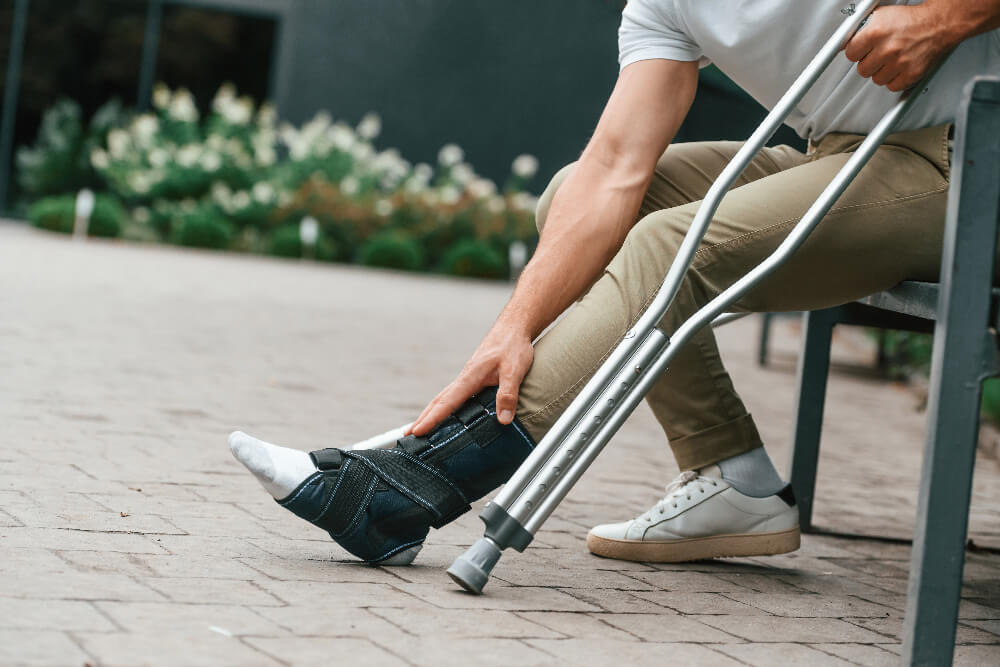
Fractures and dislocations are common injuries caused by trauma, falls, or accidents that affect bones and joints. A fracture refers to a break or crack in a bone, while a dislocation occurs when bones in a joint are forced out of position. Symptoms include pain, swelling, deformity, and limited mobility. Diagnosis involves physical examinations and imaging tests such as X-rays or MRI scans. Treatment varies depending on severity, including immobilisation, the PRICE method, or surgery such as open reduction and internal fixation. Proper care, rehabilitation, and preventive measures like regular exercise, bone screening, and a healthy diet support recovery and help prevent future injuries.
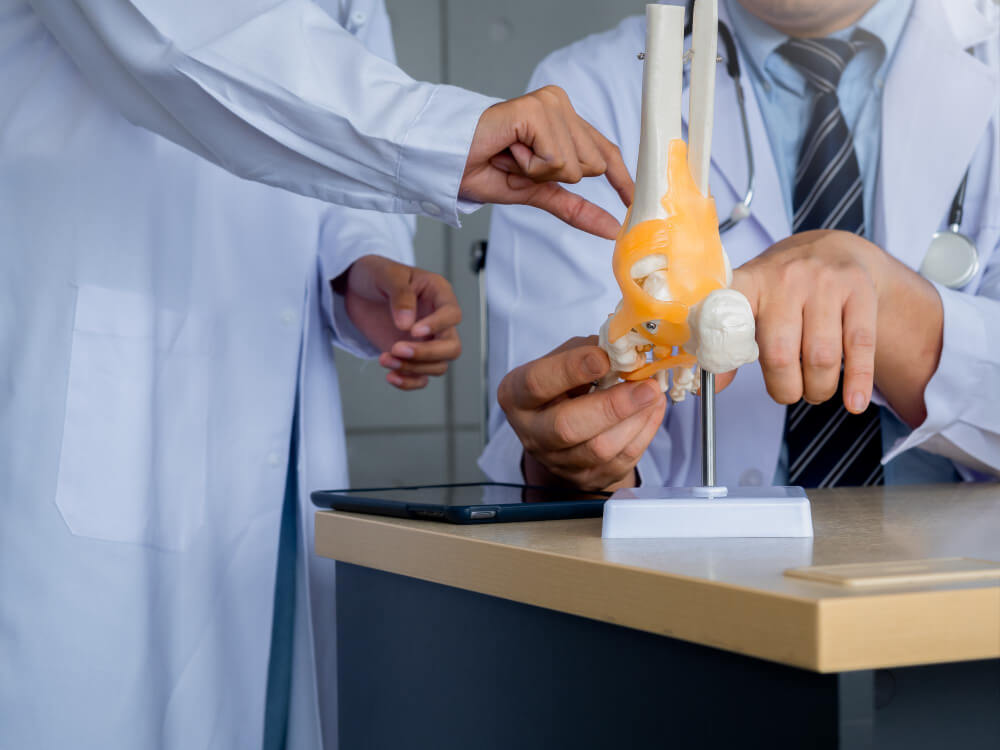
Bone tumours are abnormal growths found within any bone in your skeletal system. However, bone tumours may typically be found on the larger bones in your body, including the femur, tibia, humerus, ribs, spine, and pelvis. In most cases, bone tumours are benign (non-cancerous) and will usually go away after some time, even without non-surgical interventions.
Find Us Here
Novena
9 AM to 1 PM (Saturday)
Closed on Sundays and Public Holidays
Parkway
9 AM to 1 PM (Saturday)
Closed on Sundays and Public Holidays

