
Paediatric Trauma: Symptoms, Causes and Treatments
Book An Appointment
Key Takeaways
- Paediatric trauma are injuries that affect infants and children and can result in long term disability, if left untreated.
- Paediatric trauma typically occurs due to falls or other injuries sustained by infants and children, including fractures and torn muscles or soft tissue.
- Prompt medical check-ups and treatment are advised to prevent paediatric trauma from worsening.
- Parents need to take proactive measures to protect their children without restricting their play or ability to learn through interacting with the world around them.
What is Paediatric Trauma?

Paediatric trauma is a concerning medical condition that affects infants and children and can be a significant cause of disability, if left untreated. Paediatric trauma is typically categorised as either physical or mental trauma. We will be focusing on the physical aspects of trauma, specifically paediatric orthopaedic trauma involving the musculoskeletal system.
Children are susceptible to a lot of falling and stumbling as they grow, but in some instances, a fall can still cause an injury that can lead to something more severe. In many cases, the injury might not be immediately apparent, so it always helps to pay close attention to your child’s health and take them for a checkup as a precaution.
Paediatric Trauma Symptoms
Paediatric trauma can manifest in many different ways, depending on the nature of the injury your child may have sustained and where it occurred. For example, head injuries may present symptoms like headaches or severe migraines, but these may also be symptoms of an underlying issue that requires prompt treatment, such as a skull fracture. If your child has fallen or sustained an injury from play or some other activity and exhibits any symptoms of concern, it would be best to see a doctor immediately.
It may still be a good idea to look out for other symptoms:
- Limping when moving or limited range of motion.
- Inability to move specific limbs after a fall or injury.
- Your child becomes unnaturally quiet for no reason.
- A sudden, gradual loss of energy or motivation.
- Sudden vomiting.
- Lethargy or nausea.
Paediatric Trauma Causes
Children are very different from us in many ways, especially as they undergo gradual physical development. As such, they are at higher risk of injury from almost anything: falling from a swing or playing with friends, for example, and they can end up hurting themselves. A child’s skeleton is not mature and less resilient to injury, so it cannot effectively absorb any shocks caused when a traumatic event happens, leading to significant internal injuries but with no obvious external signs to show that it needs medical attention. As we stated earlier, a lack of visible wounds does not mean that your child might not have an underlying injury.
While it can be scary, preventing children from doing anything to avoid trauma instances is not the right solution to it. Sometimes, children learn something from their many stumbles, especially how to cycle, play sports, or do many other fun things as they grow up. The more important thing is to keep a close eye on your children as they play and learn to avoid potential causes of trauma. Of course, you would not want your child to climb trees unsupervised, especially when it is a scary fall hazard.
Why Does Paediatric Trauma Need Prompt Treatment?
Paediatric trauma is one of the leading causes of mortality among children, so it comes as no surprise that prompt medical treatment is needed to prevent a condition from worsening. Children need to receive proper care to identify instances of trauma and address them correctly, and that will mean they need to see a paediatric care specialist who is more familiar with the kind of trauma they are at risk of. In everyday clinical settings, it may be possible to miss particularly serious injuries a child may have as a result of a traumatic event; when there may be doubt in regards to a diagnosis, the best course of action is to seek specialised medical support for a more accurate answer.
Please note that you should see a medical specialist to correctly identify and manage any life-threatening conditions or complications your child may be facing, especially if they have had a significant fall or injury to the head, neck, or torso. Doctors will need to perform a primary survey on your child to look for any possible signs. We may need to:
- Carefully examine your child’s airways and ensure nothing is blocking them.
- Ensure that your child is breathing properly.
- Check your child’s blood pressure and observe any changes in skin colour.
- Assess if your child is conscious and responsive.
Diagnosing Paediatric Trauma

A diagnostic check is crucial in assessing cases of paediatric trauma. It specifically aims to identify and manage any life-threatening conditions immediately. In the case of orthopaedics, we will primarily focus on the relevant conditions that involve injury to your child’s musculoskeletal system. A detailed physical examination will be critical in looking for any warning signs or confirming a diagnosis, allowing your child to receive prompt medical care to resolve their current health complications. Be sure to inform your doctor of any important details you might have noticed before they begin their examination.
Some tell-tale signs of significant injury to your child:
- Visible swelling or bruising
- Open wounds
- Limb deformity
- Child refuses to weight bear on a limb or use a particular limb
- Limb weakness
- Prolonged crying from pain
Diagnosing with Imaging Tests
Additional tests can help to confirm the diagnosis, especially if the physical exam does not give a satisfactory result. These tests could also help differentiate your condition from other conditions that share similar symptoms.
- X-ray scan: The X-ray can provide a clear picture of dense structures like bone, allowing the doctor to look for any significant bone damage in your body.
- Ultrasound: Sound waves create a clear image of particular areas of your body, which may help detect injured ligaments or tendons.
- CT scan: A computerised tomography scan uses a computer to create cross-sectional images of your internal structures, including blood vessels and soft tissue. A CT scan may be ordered for a more detailed picture if an X-ray proves unsatisfactory.
- Magnetic resonance imaging (MRI): This test may be needed if your doctor needs to examine the affected area’s cartilage, tendons, and other vital structures.
How to Treat Paediatric Trauma
“Trauma” typically refers to any physical damage due to accidents, injuries, and even violence, but it is not solely related to severe cases of injury.
Treating Paediatric Trauma Without Surgery
For most cases where your child’s injuries are not severe, non-surgical treatment methods are the best way to help them recover.
Treating Paediatric Trauma via First Aid Techniques
The RICE method can help you reduce symptoms and manage pain in whichever part of your body is affected.
- Rest: Avoid activities that put pressure/stress on the affected limb or area.
- Ice: Place a cold compress or ice pack in a towel on the affected area for 20 to 30 minutes, 3 or 4 times daily. Do not place ice directly onto your skin.
- Compression: Immobilising the affected area involves wrapping it with bandages or a compression wrap; this can help decrease swelling and allow it to heal.
- Elevation: Position the affected area above the level of your heart as often as possible. You can prop it up with pillows if it helps.
You may also be asked to use crutches or apply a splint or brace if it might help with the recovery process.
Treating Paediatric Trauma via Physiotherapy
Physiotherapy can help reduce pain and swelling, strengthen weakened ligaments and tendons, and slowly restore your range of motion and flexibility. A physiotherapist will show you and your child various exercise methods to help with this, based on whichever part of the body needs it. Most activities will involve improving your child’s balance, flexibility, range of motion, and strength. Light physiotherapy sessions can alleviate symptoms and help with gaining mobility.
Note that you should start with simple exercises, as suggested by your physiotherapist. You can slowly build up the intensity and duration of exercises as your child’s condition improves.
Treating Paediatric Trauma via Medications
Medications can provide much-needed relief for mild cases of paediatric trauma. For example, non-steroidal anti-inflammatory drugs (NSAIDs) like Brufen may help relieve pain and reduce swelling.
Treating Paediatric Trauma With Surgery
Surgery is primarily reserved for cases where your child does not respond well to non-surgical treatment methods or in cases where they continue to experience other complications (mild or otherwise) even after receiving treatment.
Treating Paediatric Trauma via Arthroscopy
Arthroscopic surgery (arthroscopy) is a minimally invasive surgical technique for treating complications related to your child’s joints, such as their knees, hips, shoulders, elbows, and ankles. The procedure involves inserting an arthroscope, a tube-like instrument with a small light and camera attached on one end, through tiny incisions to reach the affected joint. The arthroscope is used in tandem with other medical instruments to remove damaged tissue or bone and repair any damage to the joint.
Treating Paediatric Trauma via Tendon Repair
If your child has suffered damage to their tendons, tendon repair surgery is needed to restore limited movement in your child’s joints or limbs. The doctor will make a small incision on the skin above the injured tendon and then sew the torn or damaged ends of the tendon together. Sometimes, they may extract a tendon from a different body part or use an artificial tendon to repair it.
How to Prevent Paediatric Trauma

Child safety should always be your priority, especially when unintentional injuries remain the greatest risk to their well-being. Again, it is vital to remember that the aim is to make external environments safer for your children while being mindful of their gradual physical and mental development. Here are a few things you can do to help with keeping your child safe even while they are playing outside.
- Give your child proper safety gear: If your child likes to ride on a bicycle, you would no doubt want them to wear a helmet and pads to cover their elbows and knees. The same principle applies to any other sports or activities they participate in; ensure that their protective gear also fits them properly to provide maximum protection.
- Be aware of your surroundings: It is always a good idea to look around playgrounds or play areas for dangers, such as rusted metal, wood chips, or other hazards.
- Childproof your home: Secure furniture and other items so your child does not accidentally hurt themselves. For example, keep windows locked when not in use, keep your child away from the kitchen, and limit their access to stairs unless they can use them properly.
- Use a child seat: Keep your child buckled up at all times with a child seat and read the instructions carefully to install the seat correctly.
- Always accompany your kids: Never leave your kids on your own! They can end up hurting themselves without you realising it.
- Teach your kids about safety: Education is always important, and it is essential to teach kids the dos and don’ts they need to be mindful of.
Getting Professional Medical Attention
Paediatric trauma can lead to severe complications if left untreated, but you can rest assured that Avant Orthopaedics can help provide prompt medical care. Contact us to book an appointment and receive personalised care, where we will diagnose your condition and recommend the best course of action.
Frequently Asked Questions (FAQ)
If your child has just had a fall or injury, it never hurts to have them checked by a medical professional just to be on the safe side. If symptoms do present not long after the injury, it would be best to seek medical attention immediately.
Not all symptoms are clear-cut, but it does help to look out for warning signs, as listed in this article. If you suspect something is amiss, take your child for a complete medical examination at once.
It depends. Some people only need a few weeks to recover, while others could take several months. If your child needs physiotherapy sessions, ensure they stick to their schedule; if necessary, talk to your doctor if you have concerns.
Related Conditions
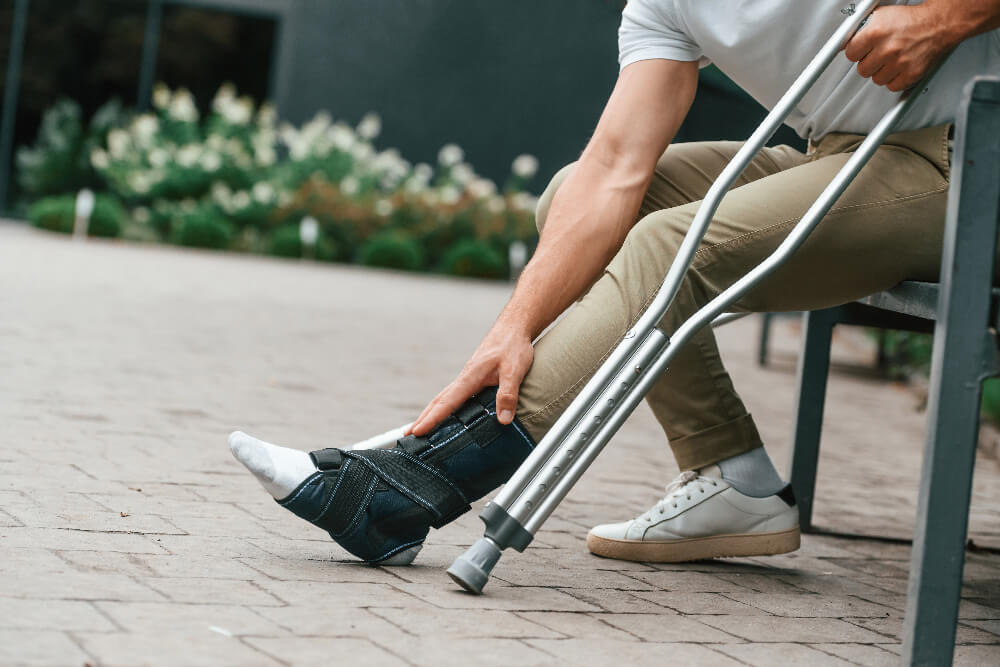
Fractures and dislocations are common injuries caused by trauma, falls, or accidents that affect bones and joints. A fracture refers to a break or crack in a bone, while a dislocation occurs when bones in a joint are forced out of position. Symptoms include pain, swelling, deformity, and limited mobility. Diagnosis involves physical examinations and imaging tests such as X-rays or MRI scans. Treatment varies depending on severity, including immobilisation, the PRICE method, or surgery such as open reduction and internal fixation. Proper care, rehabilitation, and preventive measures like regular exercise, bone screening, and a healthy diet support recovery and help prevent future injuries.
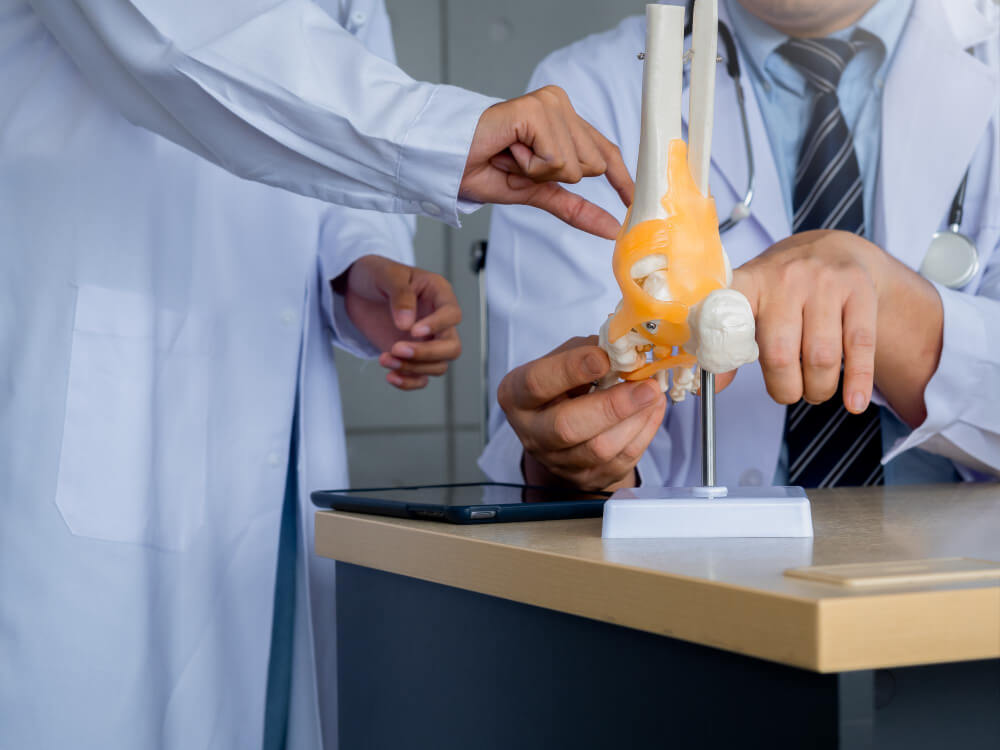
Bone tumours are abnormal growths found within any bone in your skeletal system. However, bone tumours may typically be found on the larger bones in your body, including the femur, tibia, humerus, ribs, spine, and pelvis. In most cases, bone tumours are benign (non-cancerous) and will usually go away after some time, even without non-surgical interventions.
Find Us Here
Novena
9 AM to 1 PM (Saturday)
Closed on Sundays and Public Holidays
Parkway
9 AM to 1 PM (Saturday)
Closed on Sundays and Public Holidays

