
Patellar Tendon Repair
Book An Appointment
Key Takeaways
- Patellar tendon repair is a surgical procedure to repair or reconstruct a torn, damaged, or ruptured patellar tendon.
- While mild patellar tendon tears can be treated nonsurgically, moderate to severe injuries may require surgical intervention to restore the tendon’s functionality.
- The procedure is performed as an open surgery and may involve drilling holes and placing sutures to anchor the tendon in place and facilitate its recovery.

What is Patellar Tendon Repair?
Patellar tendon repair is a surgical procedure that aims to repair or reconstruct a torn, damaged, or ruptured patellar tendon, located just below the kneecap. This tendon is a core component of the knee, allowing the knee joint to extend so you can stand, sit, and walk. Any damage to the tendon could impede your overall mobility and may require surgical intervention to restore your knee’s flexibility and mobility. Patellar tendon repair is recommended for treating complete tears or ruptures, especially for athletes and other active individuals who wish to return to their regular activities.
When is Patellar Tendon Repair Considered?
A patellar tendon repair procedure is typically considered for treating various knee-related conditions that affect the patellar tendon.
Injury or Trauma
Any direct injury or trauma to the knee could cause a partial or complete tear of the patellar tendon, which can impair your mobility. This can reduce the knee joint’s range of motion and cause significant pain and discomfort.
Overuse
Regular, repetitive knee movements, especially during sports or other physical activities, can also damage the patellar tendon. This may also occur in individuals who are not physically active, as they may be prone to sudden tears or ruptures from abrupt or improper knee movements (such as poor positioning after a fall) that their bodies are not used to.
Patellar Tendinitis
This condition is characterised by inflammation of the patellar tendon. It weakens the tendon and can cause pain, swelling, and reduced knee mobility. In some cases, it may even form micro-tears on the tendon itself. It commonly affects individuals who frequently participate in running or jumping activities, and is sometimes known as “jumper’s knee”.
Patellar Tendon Rupture
A rupture of the tendon can result in substantial loss of function and mobility in the knee, leading to complications such as knee instability and impaired mobility. A rupture not only occurs due to injury, but may also stem from chronic conditions such as diabetes, kidney failure, or prior surgeries.
Arthritis
Arthritis is a degenerative, inflammatory condition that affects the knee joint. It is characterised by joint pain and stiffness that worsen as you age. One type of arthritis, rheumatoid arthritis, is an inflammatory and autoimmune condition that causes joint swelling. It can gradually wear down the joint and the patellar tendon, causing a deformity.
How is Patellar Tendon Repair Performed?
The tendon’s condition will be evaluated during the initial consultation, with a physical examination and additional imaging tests as needed. This session will help the doctor identify the cause behind your patellar tendon tear or rupture and determine a suitable treatment plan.
Patellar tendon repair is performed as an open surgical procedure and is recommended only if conservative, nonsurgical treatments are unable to resolve symptoms. Mild tendon tears can typically be managed by nonsurgical treatment, including immobilising the knee joint and targeted physiotherapy to support healing. However, moderate to severe tears will need a surgical patellar tendon repair.
On the day of the surgery, you will first be sedated with local or general anaesthesia to ensure your comfort throughout the procedure. After that, the surgeon will then make an incision at the front of your knee to gain access to the knee joint and the patellar tendon. They will carefully drill holes in the kneecap to mount sutures that will be threaded through them. These sutures will be used to secure the tendon and ensure it has the appropriate tension to function.
With the sutures in place, the surgeon will conduct additional checks for any other damage to the kneecap identified during the consultation and treat it accordingly. They may also perform additional procedures as needed.
Once the procedure is considered complete, the surgeon will clean the surgical site with antiseptics and close the incision with stitches. You will then be taken to the recovery room for observation before you can return to the ward.
General Risks and Considerations
Like any surgical procedure, patellar tendon repair does carry potential risks. Your doctor will discuss this topic with you at length, answering questions you may have regarding the procedure, its possible risks and side effects, and addressing other concerns you might have.
General complications may include:
- Bleeding or blood clots
- Allergic reaction
- Possible infection
- Persistent pain, discomfort, and swelling that does not resolve
- Reduced range of motion
- Nerve damage
- Weakness
- Risk of new tears
A tendon may shorten over a month after injury or damage, while severe damage or an underlying condition could complicate surgery if the tendon becomes too short. If this happens, reattaching the tendon can become complicated and will require a tissue graft to lengthen it. Your doctor will discuss this at length with you before surgery.
In some cases, the surgeon may attach additional sutures or cables to secure the kneecap, keeping it in place to facilitate the patellar tendon’s recovery. This additional procedure may require a future surgery to remove these implants to ensure they do not interfere with your movements once you have healed.
Recovery After Patellar Tendon Repair
You should be able to return home a few days after surgery if your doctor believes your recovery is progressing well. Your doctor will provide post-care instructions to help support your recovery and minimise the risk of complications that could delay your tendon’s gradual healing.
- Avoid overexerting or putting excessive pressure on the knee joint to allow the patellar tendon to heal.
- Avoid lifting or holding heavy objects to prevent straining the patellar tendon.
- Use a knee brace, an immobiliser, or a leg cast to ensure the patellar tendon heals properly.
- Start with light, simple activities to gradually build your patellar tendon’s strength. Try the toe touch method, where you lightly touch your toe to the floor, carefully bearing the weight of your leg. Within six weeks, you should be able to support your body weight with the recovering knee.
- Use the RICE method to promote your patellar tendon recovery.
- Rest the knee to allow it to heal
- Apply Ice regularly for 48 hours after surgery to reduce swelling
- Apply light Compression to the knee to promote blood flow
- Keep it Elevated above your heart using pillows to minimise bleeding risks
- Take your prescriptions as indicated. If you experience any side effects, immediately contact your doctor and stop taking the medications.
- Attend your pre-arranged physiotherapy sessions. Your physiotherapist will develop a suitable schedule to ease you into activities to facilitate the tendon’s healing and restore the knee joint’s flexibility and mobility.
- You may not be able to flex your knee immediately after surgery. It may take four to five weeks of rest and light physiotherapy before you can slowly flex your knee.
Recovering from a patellar tendon repair procedure may take approximately six months or so, depending on factors such as your age and general health. Refrain from performing actions or activities that could hurt your knee and potentially lead to another tear or rupture of the patellar tendon.
Frequently Asked Questions
Can I drive after a patellar tendon repair?
Ideally, you should avoid driving to ensure your patellar tendon can heal properly, as placing pressure on the knee joint could complicate your tendon’s recovery.
Will my knee’s range of motion be significantly affected?
You may experience some stiffness, pain, and discomfort in the initial weeks after surgery, but these should gradually subside as you recover. If your condition does not seem to improve, contact your doctor immediately.
Will rehabilitation reduce my recovery time?
Complete recovery will take time. You will be given a suitable rehabilitation schedule to support your tendon’s healing without complications. How long you will require therapy can depend on factors such as your age, the type of tear you had, and your general health. Stick to this schedule and avoid overexerting yourself to ensure your recovery progresses well.
Our Surgeon for Patellar Tendon Repair
Dr. Ramesh Subramaniam
MBBS (NUS, SG) | MRCS (Edinburgh, UK) | M Med (Ortho) (NUS, SG) | FRCS (Ortho) (Edinburgh, UK)
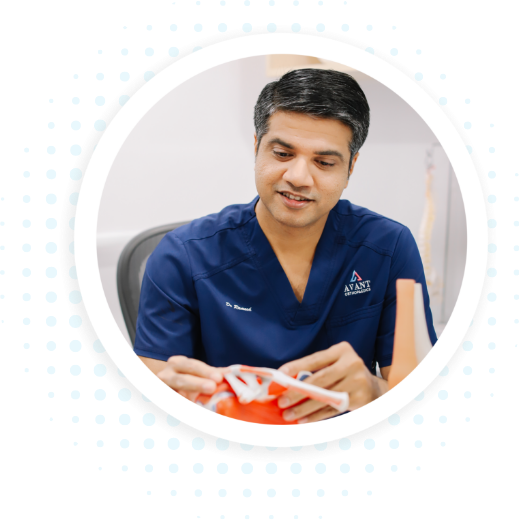
Dr Ramesh, a fellowship-trained orthopaedic surgeon, focuses on shoulder, knee, and arthroscopic sports surgery.
Dr Ramesh obtained his MBBS and Master’s in Orthopaedic Surgery from the National University of Singapore and completed Advanced Surgical Training. He earned his Fellowship from the Royal College of Surgeons of Edinburgh in Trauma and Orthopaedics. He was awarded the HMDP scholarship for a clinical fellowship in Shoulder and Knee Surgery in Dublin, followed by the Tan Tock Seng Scholarship for a Sports Fellowship in Knee Surgery in Barcelona. He also completed a Shoulder Surgery Fellowship at Hospital Del Mar and was trained in arthroscopic joint reconstruction and joint replacement surgeries.
Related Treatments

Meniscus surgery is a minimally invasive procedure to repair, remove, or replace damaged knee cartilage. It helps restore joint stability, relieve pain, and improve mobility, with recovery depending on the type of surgery performed.
Find Us Here
Novena
9 AM to 1 PM (Saturday)
Closed on Sundays and Public Holidays
Parkway
9 AM to 1 PM (Saturday)
Closed on Sundays and Public Holidays

