
Plantar Fascia Release Surgery
Book An Appointment

What Is Plantar Fascia Release?
Plantar fascia release surgery is a surgical procedure on the fibres of the plantar fascia, a thick band of tissue present at the bottom of the foot. It is a ligament that connects the heel bone to the toes, supporting the arch of the foot. Plantar fascia release is a type of surgery for heel pain that may improve foot flexibility. During this procedure, a surgeon removes or releases the inflamed, tight plantar fascia tissue on the heel. After a brief recovery period, patients can resume many of their daily activities.
Key Takeaways
- Plantar fascia release surgery is a type of surgery to address plantar fasciitis that may help improve foot flexibility.
- Plantar fasciitis occurs when the plantar fascia is inflamed due to excessive strain on the tissue.
- This surgery may be recommended if other non-surgical treatments, such as modification, medications, and injections, fail to relieve heel pain.
- The goal of the surgery is to relieve the tension on the damaged and painful portion of the heel tissue.
- After the procedure, the treated foot will be placed in a cast for about 2 to 3 weeks. The plantar fascia may take up to 6 weeks to heal.
When Is Surgery for Heel Pain Typically Considered?
Heel pain is most often seen in middle-aged individuals, but it may also occur in those who are constantly on their feet. Surgery for heel pain or plantar fascia release surgery is mostly considered when other conservative treatments cannot provide sufficient relief to the heel, including physical therapy, orthotics, and medications. This also includes cases where tension on the ligament has led to degeneration and may be further damaged with other approaches. It is also considered for persistent heel pain lasting 6 to 12 months, affecting normal physical activities and quality of life. For professional athletes, this surgery may also be considered if their ability to engage in sports is affected by heel pain.
How is Plantar Fasciitis Surgery Performed?
Every surgery for heel pain is different and depends on the patient’s condition. To prepare for the surgery, a physician may perform an ultrasound, X-rays, or an MRI for a clear view of the foot and heel bone. Patients will also receive a thorough examination to identify any medical issues that need to be addressed before surgery. Some tests and bloodwork may be necessary to ensure the safety of the procedure.
Patients should also inform their physician if they have any allergies and ongoing medications. Patients will also be required to fill out a written consent form after receiving a detailed explanation of the surgical procedure they will undergo.
The general overview of plantar fasciitis surgery can be described as follows:
- The physician administers anesthesia and positions the patient accordingly. The surgeon then makes a small incision on the sole to access the plantar fascia.
- They will continue to make the required incisions on the sides of the plantar fascia to release tension from the compromised tissue as well as relieve inflammation in the ligament.
- In more severe cases, the surgeon may need to detach the plantar fascia from the heel or remove bone spurs on the plantar fascia.
- The physician may also remove damaged tissue near the plantar fascia to relieve tension and work with the abductor hallucis to prevent nerve damage.
- The surgeon may operate on the plantar fascia directly or insert instruments through the small incisions or conduct endoscopic surgery.
- After the procedure is complete, the incision will be closed, and the treated foot will be placed in a cast for about 2 to 3 weeks to facilitate tissue healing and support the foot.
To support recovery after the procedure, you may be prescribed pain and anti-inflammatory medications. Keeping the foot elevated may help minimise swelling and discomfort. Depending on your condition, your physician may recommend that you begin exercising and stretching to strengthen your muscles and undergo physical therapy to improve your range of motion. In general, patients may slowly return to normal activities in 3 to 6 weeks.
Potential Benefits of Plantar Fascia Release

In general, plantar fascia release surgery may be recommended by your physician for the following benefits:
Relieves Pain
Plantar fascia release surgery can potentially provide relief from the persistent heel pain caused by plantar fasciitis.
Promotes Better Movement
With improved foot function and mobility, you can engage in daily activities with greater ease.
Increases Quality Of Life
Reduced pain and improved foot function can allow you to return to your regular activities and exercise, thereby improving your quality of life.
Potentially Reduces Complications
This surgery helps to address heel pain, which can potentially reduce the risk of future complications.
General Risks & Considerations
Although surgery for heel pain can be highly effective, it is important to be informed about potential risks and considerations.
Infection
As with all surgical procedures, there is a possibility of infection after surgery for heel pain. As long as you keep your healed wound thoroughly cleaned, the risk of an infection can be lessened. If an infection persists, antibiotics are generally an effective remedy.
Delayed Healing
After surgery, most patients feel normal and can return to their regular physical activities in eight to twelve weeks, with full recovery expected in twelve months. However, some patients may experience slower healing and require longer recovery. This may look like prolonged heel and foot pain. Your physician will check on you and make any recommendations to speed up healing.
Scar Tissue Formation
Scar tissue may develop around the treated heel as your body tries to recover, which may affect foot function or cause discomfort such as pain or a tight, pulling sensation.
Nerve complications
Since there are a lot of nerve fibres in the heel, there is a possibility of nerve complications or injury that may lead to numbness, weakness, or altered sensation on the treated foot.
Excessive release
Patients may also experience excessive release of the plantar fascia, which can potentially reduce the height of the arch and increase the risk of foot injury.
Are You or a Loved One Suffering from Heel Pain?
Heel pain can be a prolonged problem that hinders you or your loved ones from carrying out day-to-day activities. At Avant Orthopaedics, our team combines medical practices with a deep understanding of patients’ conditions. Feel free to book an appointment for a personalised consultation, and we will evaluate your heel condition and discuss suitable treatment options.
Frequently Asked Questions
What causes plantar fasciitis?
Excessive pressure on the plantar fascia may strain or tear the tissue, causing plantar fasciitis or heel pain. Obesity, flat feet or high arches, wearing thin-soled shoes, and long-distance running may also increase an individual’s risk of plantar fasciitis.
How to know if I need plantar fascia release surgery?
Not every case of plantar fasciitis needs to be addressed with surgery. Your doctor may recommend surgery if you:
- Have plantar fasciitis symptoms for at least 6 months that cause you to be unable to participate in physical activities.
- Are still suffering from pain regardless of other relief measures
However, individuals with conditions such as diabetes, peripheral neuropathy, and venous insufficiency may pose additional risk during plantar fasciitis surgery. If you have any of these conditions, let your doctor know, and they will evaluate your condition and recommend a suitable treatment.
How long will it take to heal from plantar fasciitis?
Plantar fascia release surgery is typically recommended to aid in reducing pain and improving heel function. On average, patients can return to regular weight-bearing 2-3 weeks after surgery. However, the exact recovery time may vary depending on each individual’s condition.
Can I use insurance to cover my plantar fascia release surgery?
At Avant Orthopaedics, we are committed to helping our patients get their recommended treatment through their health insurance. We accept various local and international insurance policies, as well as corporate insurance policies. Reach out to us for further details on whether your specific insurance is eligible.
Can I go back to playing sports after plantar fascia release surgery?
Patients with plantar fasciitis are advised to avoid playing sports or other physical activities that exert pressure on the heels or feet for the first 2 to 6 weeks after surgery. After 8 to 12 weeks, or when the swelling has significantly decreased, light sports may be allowed, depending on your recovery. Patients may be expected to fully return to their normal activities, including sports, in 6 to 12 months after surgery. However, the exact time depends on each individual’s recovery.
Our Orthopaedic Doctor & Surgeon
Dr. McGraw
M.B.Ch.B. | M.R.C.S. (Lon) | F.R.C.S. (Tr & Orth)
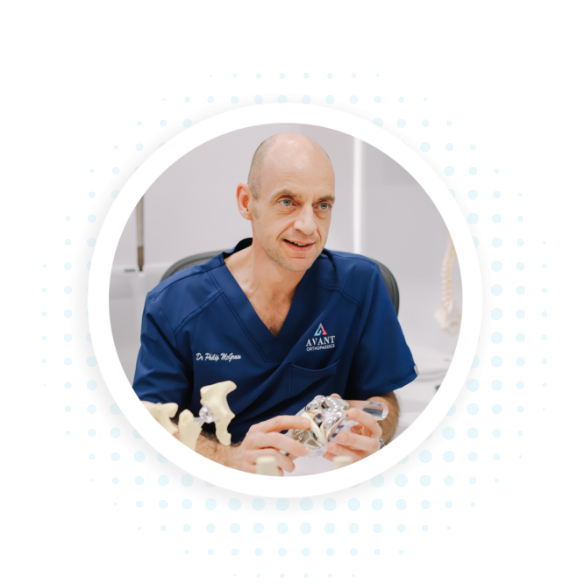
Dr. McGraw is a practising orthopaedic and trauma surgeon at Mount Elizabeth Novena Hospital and Parkway East Hospital.
His special interests and expertise include the management of all aspects of hip and knee conditions, in addition to general orthopaedic and trauma surgery.
Born and bred a Yorkshireman, Dr. McGraw studied Dental Surgery at Newcastle-Upon-Tyne in the United Kingdom. Upon qualifying, he worked as a Maxillofacial surgical trainee before undertaking his dental fellowship at The Royal College of Surgeons London and then commencing his studies in Medicine at Manchester University. He subsequently decided to change tack and completed his training as an Orthopaedic Surgeon in the northwest region of England. Dr. McGraw completed his training by undertaking two fellowships in hip and knee surgery at Wrightington Hospital in the UK. He was appointed as Consultant Orthopaedic Surgeon at Bury & North Manchester General Hospitals in 2012. Whilst at these hospitals, he kept up with the waiting list issues by dedicating his weekends to work in waiting list initiative lists at Wrightington Orthopaedic Hospital.
Related Treatments

Knee injections are a nonsurgical treatment that delivers medication into the knee to relieve pain and inflammation from osteoarthritis, tendon injuries, bursitis and other conditions. Options include corticosteroids, hyaluronic acid viscosupplementation and PRP, helping improve mobility and delay the need for surgery.
Find Us Here
Novena
9 AM to 1 PM (Saturday)
Closed on Sundays and Public Holidays
Parkway
9 AM to 1 PM (Saturday)
Closed on Sundays and Public Holidays

