
Plantar Fasciitis: Symptoms, Causes and Treatments
Book An Appointment
Key Takeaways
- Plantar fasciitis occurs when your plantar fascia is inflamed due to overusing or overloading it beyond its limit.
- Also known as “first-step pain”, feeling a sharp pain in the heel of your foot when you take your first steps of the day in the morning especially, is a symptom of this condition.
- Runners and those who are overweight are more likely to suffer from this condition.
- There are various non-surgical treatment methods for plantar fasciitis, including first aid remedies, injections, medication, physical therapy, shockwave therapy, non-invasive procedures, assistive devices, and more.
What is Plantar Fasciitis?
A common cause of heel pain, plantar fasciitis is the inflammation of the plantar fascia, which is the tough, fibrous tissue that extends across the heel of each foot and connects our heel bone to the base of our toes. The plantar fascia experiences much wear and tear in the day-to-day, as it is used when you walk or move your foot. It supports the arch of your feet and absorbs any shock, pressure, or strain caused when walking, running, or playing sports.
There will be additional stress on your plantar fascia when you push off on the ball of your feet and toes, which occurs when you walk or run, or if you place your weight on one foot for a prolonged period while standing. As time passes, the elasticity of your plantar fascia suffers, and it can become easily stressed even when you are carrying out routine activities.
When there is too much pressure on your plantar fascia, the tissue is damaged, which causes swelling. It is difficult and painful to walk or use your foot when your plantar fascia is inflamed. While plantar fasciitis is a common condition and often occurs in one foot at a time, it is also probable for some to be affected by plantar fasciitis in both feet.

Symptoms of Plantar Fasciitis
This condition is typically seen in runners or overweight people. Symptoms of plantar fasciitis include stiffness, swelling around your heel, a tight Achilles tendon, or pain in your heel, arch of your foot, or along the bottom of your foot. The symptoms may appear gradually, but you will usually feel the pain near your heel.
You may experience a stabbing pain at the bottom of your foot near your heel after waking up and taking your first steps, which is where its alternative name, “first-step pain”, originates. The pain in the affected area typically goes away after you move around, but it may return briefly after standing for an extended period or getting up after sitting, sleeping, or resting. The pain in your foot may intensify when you are barefoot or wearing shoes with little support.
Your pain levels can also change depending on your activities. Exercising or moving the affected foot may make the pain disappear temporarily, but the pain is normally exacerbated when you stop. Moreover, going up the stairs may be challenging if you have plantar fasciitis. You may even experience sudden pain after missing a step or jumping from a height.
What Causes Plantar Fasciitis?
Plantar fasciitis normally occurs when your plantar fascia is overused or stretched beyond its limit. If your plantar fascia is repeatedly irritated, it can lead to plantar fasciitis. When your plantar fascia is constantly stretched, the stress and tension afflicted on it results in small tears, causing inflammation.
Heel pain was often thought to be caused by heel spurs, also known as bone spurs, which are the growth of a bony hook on the heel bone, connected to the plantar fascia. Heel spurs can form due to long-term pressure on the foot or as a response to the strain and tension caused by plantar fasciitis. However, heel spurs are different from plantar fasciitis, and not all who develop heel spurs will have plantar fasciitis. Heel spurs do not induce plantar fasciitis, and the spurs do not have to be removed when treating plantar fasciitis.
Risk Factors
The following are some factors that may cause the onset of plantar fasciitis.
- Age
This condition is typically seen in those who are between the ages of 40 to 60.
- Exercising
There are certain exercises that cause a lot of stress to the heel and its attached tissue, such as walking, running, and dancing. Plantar fasciitis can occur if you overextend your heel, if you do not stretch or warm up before exercising, or if there is increased participation in repetitive high-impact activities.
- Foot structure
Those with flat feet and high arch feet are at risk of developing plantar fasciitis. If you have an atypical way of walking, it can influence the way your weight is distributed when you are standing and place added strain on your plantar fascia.
- Tightness
As the Achilles tendon and calf muscles are interconnected, if you experience tightness in those areas, you are at risk of developing plantar fasciitis.
- Weight
The additional weight that comes with being overweight or obese places extra tension on the plantar fascia, which may lead to plantar fasciitis.
- Occupation
If you are working an active job that keeps you walking or standing for most of your working hours, you have a higher risk of developing plantar fasciitis. Examples of these jobs include factory workers, retail workers, teachers, and nurses.
- Contact with the ground
Constantly exercising on hard surfaces and walking or standing barefoot puts you at risk for plantar fasciitis.
- Shoes
Wearing or exercising in old shoes with insufficient arch support and worn-out soles will place a lot of stress on your plantar fascia.

Potential Complications
If you ignore plantar fasciitis and do nothing about the condition, you may develop chronic heel pain, which can alter the way you walk. The condition may also further deteriorate and affect your foot, legs, knees, hips, and back. Moreover, it can also rupture or damage your ligaments, leading to a loss of fat tissue in your foot or reduced arch support, causing significant complications in your daily life.
Diagnosing Plantar Fasciitis
Diagnosing with a Physical Examination
Your doctor will diagnose plantar fasciitis with a physical examination while considering your medical history. They may check for tender areas in your foot, as the location of the pain can help your doctor ascertain the cause.
While your doctor will look out for the symptoms of plantar fasciitis while examining your foot, it is also helpful to inform them of the symptoms you have been experiencing, as well as where and when it hurts the most. Your doctor may also ask you to flex your foot while pressing lightly on your plantar fascia to check for inflammation and your degree of discomfort.
Diagnosing with Imaging Tests
Your doctor may use imaging tests such as X-rays, MRI, or ultrasound to take pictures of your affected foot and rule out other conditions such as stress fractures or arthritis.
How to Treat Plantar Fasciitis
Treating Plantar Fasciitis via First Aid
If you have plantar fasciitis, you can ice the affected area for up to 20 minutes at a time a few times a day, as this helps relieve pain and inflammation. You can also wrap a frozen water bottle in a thin cloth or towel and roll it along the bottom of your foot.
Resting is also very important if you have been diagnosed with plantar fasciitis. You should immediately stop playing or participating in any sports that led to the condition developing, or any other activity where your feet are constantly in contact with a hard surface.
Treating Plantar Fasciitis with Medication
Pain relievers or over-the-counter NSAIDs (non-steroidal anti-inflammatory drugs) can help alleviate the pain and inflammation caused by plantar fasciitis. However, do not take these medications for several days in a row without consulting a doctor.
Treating Plantar Fasciitis with Injections
Your doctor may also treat your plantar fasciitis with injections, such as corticosteroids, which are anti-inflammatory medications. They do this by injecting cortisone into the tender area of your plantar fasciitis, which can temporarily relieve your pain and reduce inflammation. Nonetheless, these injections must be controlled. Multiple injections are not recommended as they can impair your plantar fascia and lead to possible rupture, flatten your foot, or result in chronic pain.
Another type of injection your doctor may employ is platelet-rich plasma (PRP), which is used to heal and repair injuries. Your centrifuged blood platelet cells will be injected into the tender area as platelets contain cytokines and growth factors to boost healing.
Treating Plantar Fasciitis with Extracorporeal Pulse Activation Technology (EPAT)
This is a form of shockwave therapy whereby high-energy shockwaves are directed at the affected area to increase blood flow to the plantar fascia, which promotes faster healing. Commonly used for those with chronic plantar fasciitis who may not have previously responded to other treatments, this non-invasive treatment with minimal risk may be prescribed before surgery is considered.
Treating Plantar Fasciitis via Ultrasonic Tissue Repair
Ultrasonic tissue repair is a minimally invasive treatment that is usually prescribed for those with chronic plantar fasciitis. This procedure involves guiding a probe with a narrow tip into impaired plantar fascia tissue with ultrasound imaging. As the tip vibrates, it disperses the damaged tissue before suctioning it out.
Treating Plantar Fasciitis with Percutaneous Needle Tenotomy
In this treatment, your doctor will insert a needle into your plantar fascia through the skin to pierce the damaged tissue and de-tension it. This procedure prompts your plantar fascia’s ability to repair itself as your body delivers more blood to the affected area.
Treating Plantar Fasciitis with Physical Therapy
If your doctor prescribes physical therapy for you, your physical therapist will demonstrate massages or stretching exercises and techniques for your foot, Achilles tendon, and calf that you can replicate on your own. This helps to strengthen your lower leg muscles and keep your ankle steady. You can even ask your physical therapist about using athletic tape to stabilise the bottom of your foot.
Treating Plantar Fasciitis with Assistive Devices
There are various assistive devices that your doctor may prescribe or recommend to you that will help you recover and let you get back to your daily routine.
- Night splint
When we sleep, many of us sleep with our toes pointed downwards. This is one reason for heel pain in the morning, as our plantar fascia is relaxed overnight. A night splint keeps your plantar fascia and Achilles tendon in an extended position while you are sleeping to help with stretching. The splint may be uncomfortable at first, but it is useful in alleviating heel pain that stems from plantar fasciitis.
- Orthotics
This assistive device is an arch support that works to spread the pressure on your feet equally and relieve pain.
- Cast
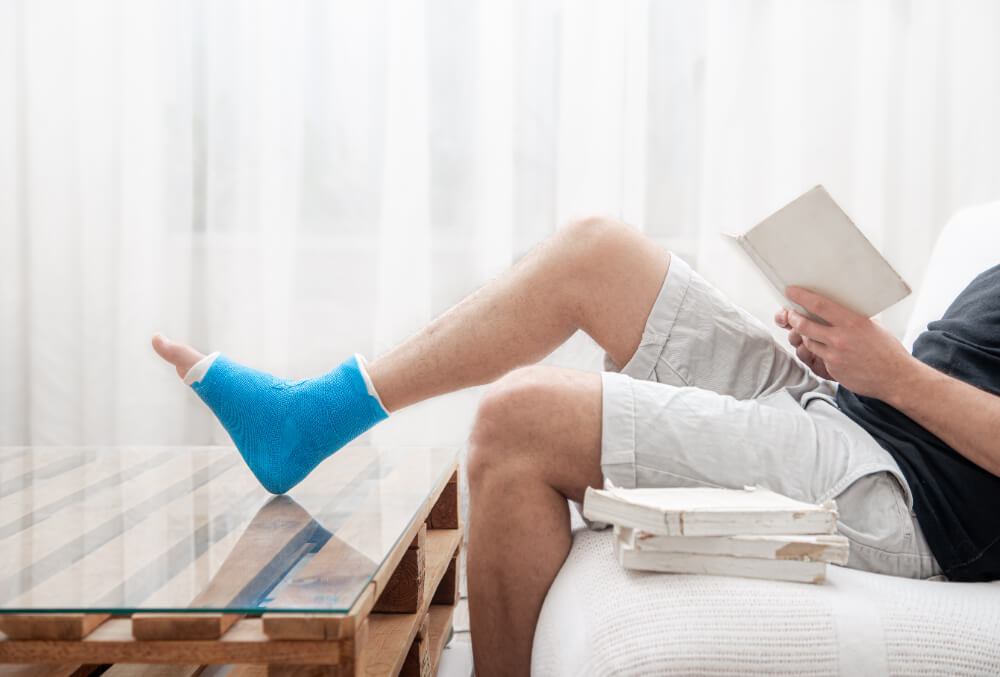
Your doctor may prescribe a cast for you, which is beneficial for treating plantar fasciitis if worn for a short period of time. Casts are moulded in the shape of your foot and since it cannot be easily removed, it prevents you from moving your foot unnecessarily and aids in your recovery.
- Walking boot, cane, crutches
Either one of these assistive devices may be prescribed to you for a short period to keep your foot in place and relieve the pressure off your plantar fascia. It keeps your foot from moving about and stops you from shifting your full weight to the affected foot.

- Shoe inserts
As its name suggests, shoe inserts are meant to be placed in your shoes for added arch support or to raise and cushion your heel. There are two different types of shoe inserts – pre-made, over-the-counter inserts, and custom-made inserts.
- Supportive shoes
If you have been diagnosed with plantar fasciitis, you should wear durable, well-cushioned shoes with thick soles to reduce the pain and pressure on your foot when standing and walking. Do not wear sandals, flip-flops, backless slippers, high heels, tight pointy shoes, or flat shoes without proper support, as your plantar fascia may be further irritated. You should also avoid walking barefoot on hard surfaces.
Treating Plantar Fasciitis with Surgery
Plantar fasciitis can usually be treated with the above methods. It is rare to require surgery to detach your plantar fascia from your heel bone. Typically reserved for serious cases with severe pain, surgery is only considered if all other treatments failed, or if there has been little change to your condition after extensive, aggressive treatment.
Two types of surgeries can treat plantar fasciitis:
- Gastrocnemius recession/release
This procedure expands your calf muscles, which are interconnected to your Achilles tendon, to lessen the stress on your plantar fascia. Gastrocnemius recession or release may be suggested for those who experience tightness in their calf muscles and Achilles tendons.
- Plantar fascial release
In this surgery, your surgeon will make many small cuts in the bottom or the side of your heel to take the pressure off your plantar fascia. This procedure is occasionally performed simultaneously as gastrocnemius recession/release.
How to Prevent Plantar Fasciitis
While plantar fasciitis is unavoidable for certain people, there are some steps you can take to prevent the onset of the condition.
- Maintain a healthy weight
Stay active so you maintain a healthy weight as extra weight results in added pressure on your plantar fascia.
- Wear supportive shoes
Make sure to purchase well-cushioned shoes with a low to medium heel, thick soles, and excellent arch support. Avoid wearing old, worn-out shoes or walking barefoot. You should also try to replace your shoes before the cushion is worn down and they stop providing support. A useful rule of thumb is to discard your shoes after you have used them frequently for six to nine months or have travelled a total distance of 500 to 800 kilometres.
- Exercising
Instead of high-impact activities like walking, jogging, running, or jumping, try out low-impact sports like swimming or cycling. If you cannot avoid high-impact exercises, ensure that your exercise surface is shock-absorbing, and try to walk or run for shorter intervals and periods instead.
- Icing your feet
If you are feeling any pain in your heel, ice the affected area for around 15 minutes a few times a day. You can also roll a frozen bottle of water under your feet for an ice massage.
- Stretching
Stretch properly when you warm up and cool down before and after your exercises. This helps to reduce the tightness in your Achilles tendon and calf, as well as relieve the pressure off your plantar fascia.
- Recovery
Ensure you have sufficient rest after a high-intensity activity or exercise. You should give your body and feet enough time to recover so you do not overwork them.
Getting Medical Attention
If you have been experiencing prolonged heel pain, it is time to seek medical help. The pain might worsen if ignored and may even further deteriorate, leading to more problems in the future. Book an appointment with us today at Avant Orthopaedics for a personalised consultation.
Orthopaedic Doctor for Plantar Fasciitis (Heel Pain)
Dr. Ramesh Subramaniam
MBBS (NUS, SG) | MRCS (Edinburgh, UK) | M Med (Ortho) (NUS, SG) | FRCS (Ortho) (Edinburgh, UK)

Dr Ramesh, a fellowship-trained orthopaedic surgeon, focuses on shoulder, knee, and arthroscopic sports surgery.
Dr Ramesh obtained his MBBS and Master’s in Orthopaedic Surgery from the National University of Singapore and completed Advanced Surgical Training. He earned his Fellowship from the Royal College of Surgeons of Edinburgh in Trauma and Orthopaedics. He was awarded the HMDP scholarship for a clinical fellowship in Shoulder and Knee Surgery in Dublin, followed by the Tan Tock Seng Scholarship for a Sports Fellowship in Knee Surgery in Barcelona. He also completed a Shoulder Surgery Fellowship at Hospital Del Mar and was trained in arthroscopic joint reconstruction and joint replacement surgeries.
Frequently Asked Questions (FAQ)
You should see improvements in your symptoms once you start treating it, but it may take your plantar fascia anywhere from a few weeks up to a few months to recover.
You should avoid playing sports or any other physical activity that exerts pressure on your feet for at least a week. It would be advisable to consult your doctor before returning to or starting a physically intense activity if you have plantar fasciitis.
Everyone has a different condition, and there is no one-size-fits-all quick fix that will heal your plantar fascia overnight. Your doctor will recommend the best treatment for your condition based on your medical history and current circumstances.
No, you do not need to be on bed rest if you have plantar fasciitis in one foot. You should be able to resume daily activities as long as you can keep your weight off your affected foot.
Related Conditions

An ankle sprain is a common injury many suffer at some point in life. It happens when you accidentally injure the ligaments in your ankle when you roll, twist, or turn it awkwardly, often due to tripping or falling over and landing on your feet at an awkward angle.
Foot and ankle pain can manifest in various ways, and the symptoms you experience can vary based on the underlying cause of the pain. Here are some common symptoms.
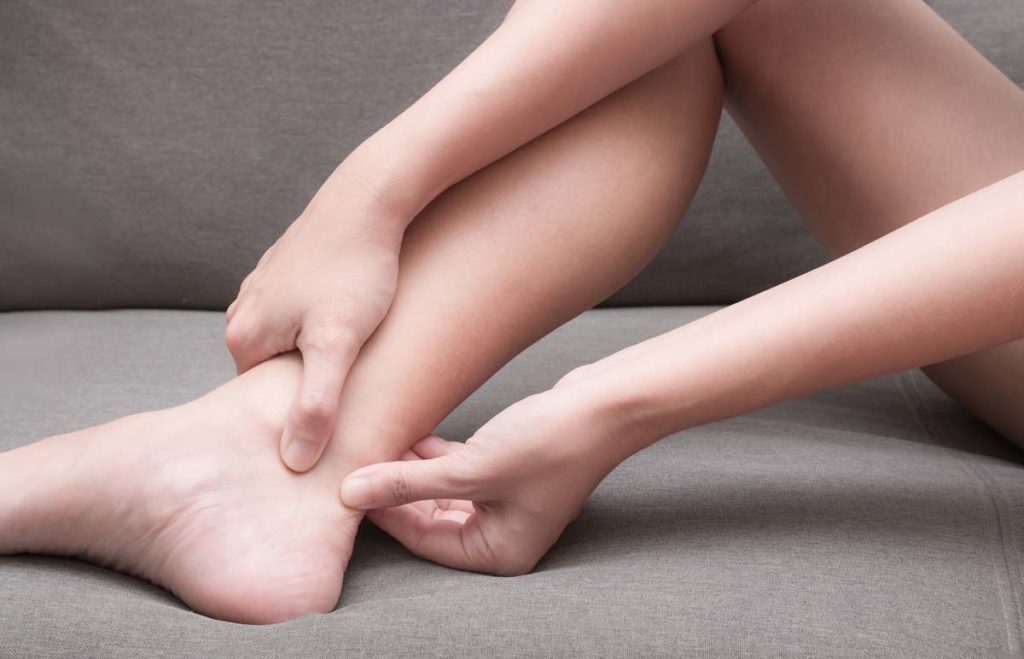
Achilles tendinitis is the inflammation of your Achilles tendon. The Achilles tendon connects your calf muscles (located in the lower back of your leg) to the heel bone. Its primary purpose is to enable you to walk, run, jump and stand on the balls of your feet.
Find Us Here
Novena
9 AM to 1 PM (Saturday)
Closed on Sundays and Public Holidays
Parkway
9 AM to 1 PM (Saturday)
Closed on Sundays and Public Holidays

