
Slipped (Herniated) Disc Treatment in Singapore
Content
- What is a Slipped Disc (Herniated Disc)?
- What are the Symptoms of a Slipped Disc (Herniated Disc)?
- What are the Differences Between a Slipped Disc and a Bulging Disc?
- What are the Common Causes of a Slipped Disc (Herniated Disc)?
- How is a Slipped Disc (Herniated Disc) Diagnosed?
- What are the Non-Surgical Treatments for Slipped Disc (Herniated Disc)?
- What are the Surgical Treatments for Slipped Disc (Herniated Disc)?
- How Can You Prevent a Slipped Disc (Herniated Disc)?
Book An Appointment

What is a Slipped Disc (Herniated Disc)?
A slipped disc, also known as a herniated disc, happens when the soft inner core of a disc, called the nucleus pulposus, pushes through the tough outer layer, called the annulus fibrosus. While most slipped discs occur in the lower back, it can also happen in the neck. However, no matter where it takes place, this condition can put pressure on nearby nerves, leading to pain, numbness, or weakness in the affected area.
What are the Symptoms of a Slipped Disc (Herniated Disc)?
This is a common symptom among those with a slipped disc. The limbs that are affected will differ according to the location of the condition.
- Neck
Slipped discs in the neck can cause pain, numbness, and weakness in the neck, shoulders, arms, and hands.
- Upper back
While less common, slipped discs can occur in the upper back, causing pain and discomfort in the mid-back region.
- Lower back
Slipped discs in the lower back are the most common. They can cause discomfort, pain, and weakness in the lower back, buttocks, legs, and feet.
Your muscles may feel weaker than usual, especially around the location of where the slipped disc is. This can cause difficulty when walking or holding items.
You may feel tingling or burning around the affected area as the inner core of the disc pushes on a nerve. These sensations may be felt in the area where the nerve is affected, such as the back, arms, legs, or neck.
The pain caused by a slipped disc may worsen with certain movements or activities, such as bending, lifting, or twisting. This pain may be sharp or shooting and may be accompanied by muscle spasms.
What are the Differences Between a Slipped Disc and a Bulging Disc?
A slipped disc and a bulging disc are two conditions which are often mistaken for each other. Below is a table detailing the differences between them.
Slipped Disc (Herniated Disc) | Bulging Disc | |
|---|---|---|
Definition | The soft inner core of the disc protrudes through the tough outer layer. | The disc bulges outwards, but the outer layer remains intact. |
Symptoms |
|
|
Location | It can occur in any part of the spine but is most common in the lower back or neck. | It can happen in any part of the spine. |
Severity | May cause severe symptoms, especially if the protruding disc compresses a nerve. | Symptoms may be less severe, as the disc is not pressing on a nerve. |
While a bulging disc is considered less severe, it is important to note that with time, it can progress into a slipped disc.

What are the Common Causes of a Slipped Disc (Herniated Disc)?
As we age, our discs begin to lose their elasticity and have an increased risk of damage with falls or strains. This degradation may also weaken the outer shell of the disc, allowing the inner core to bulge out and press on surrounding nerves.
When you slouch or hunch for long periods, it can place excessive strain and pressure on your neck and spine, increasing the risk of a slipped disc. Whether studying or at work, remember to take regular breaks to stand and stretch to alleviate the tension in your muscles.
Physically strenuous jobs such as those which require frequent lifting of heavy objects, and repetitive twisting and bending can increase the risk of a slipped disc. Occupations which require prolonged sitting and standing can also put excessive strain on the spine and discs. Individuals in such jobs need to take regular breaks as well as consider using ergonomic equipment to lower the pressure on their neck and spine.
Falls, car accidents, and sports injuries can result in a slipped disc. The force of impact can cause the outer shell of the disc to tear and the contents to spill out.
How is a Slipped Disc (Herniated Disc) Diagnosed?
Your doctor will examine your back or neck for tenderness and abnormalities. You may also be asked to describe the sensation of discomfort in detail for them to gauge the severity of the condition. This helps your doctor assess your range of motion, muscle strength, and any signs of nerve irritation or compression.
If you experience persistent back or neck pain, numbness, or weakness, a spine and back pain specialist can assess your symptoms and determine whether further investigations, such as an MRI, may be required.
- Magnetic Resonance Imaging (MRI)
An MRI can pinpoint where the slipped disc is located along with the severity of the condition. This helps your doctor determine whether treatment involves conservative measures such as physical therapy and medication, or more invasive treatments such as surgery.
- CT scan
The CT scan involves having a series of X-rays taken and combined to create a cross-sectional image of the spine and surrounding structures. This imaging technique provides clear images of the bones, joints, and soft tissues, allowing your doctor to visualise any abnormalities, such as a slipped disc or other spinal conditions.
- Electromyogram (EMG)
During an EMG, fine needles are inserted into the muscles to record their electrical activity. It helps in identifying any nerve damage or compression caused by a slipped disc.

What are the Non-Surgical Treatments for Slipped Disc (Herniated Disc)?
Lumbar Epidural Steroid Injection (ESI)
A lumbar epidural steroid injection (ESI) involves directly injecting a medication (in this case, corticosteroids, also known as steroids) into the epidural space of your lower back. The procedure is performed to provide short-term relief of symptoms from a back injury or irritation, swelling, or inflammation of the spinal nerves.
For patients experiencing persistent nerve-related pain from a slipped disc, assessment by a pain management physician may help determine whether non-surgical pain management options are appropriate.
Physiotherapy
A physiotherapist can draw up a personalised treatment plan tailored to each individual’s condition. The treatment may include a combination of physical activities that are performed to reduce stiffness, restore mobility, and alleviate pain.
Lifestyle Modification
This may include modifying the individual’s workspaces to become more ergonomic and reduce the risk of placing pressure on the affected area. It can also include engaging in regular physical activity to strengthen muscles supporting the spine and improve flexibility and mobility.
Neuropathic Drugs
Neuropathic drugs work to reduce the electrical activity in affected nerves to alleviate pain.
Opioids
Opioid medications are strong painkillers that may be prescribed in cases of severe pain that do not respond to other treatments. However, due to the risk of dependence and side effects, opioids are generally not recommended for long-term use. Its use must also be under the supervision of a doctor.
What are the Surgical Treatments for Slipped Disc (Herniated Disc)?
Open Discectomy (Microdiscectomy)
This surgical procedure involves removing the portion of the herniated disc that is pressing on the nerve root or spinal cord. A small incision is made, and specialised instruments are used to remove the disc material. Microdiscectomy is a minimally invasive technique that aims to reduce damage to surrounding tissues and aid in recovery.
Spinal Fusion
Spinal fusion may be performed after a discectomy to help reinforce the spine’s stability. In most cases, it involves the use of a bone graft taken from your body or a donor, coupled with hardware such as metal plates and screws to help keep the bone graft in place. Using a bone graft aims to promote your body’s natural healing process and ensure a solid fusion to occur between the bones.
Artificial Disc Replacement Surgery
In this procedure, the damaged disc is removed and replaced with an artificial disc. It is recommended for individuals with a single-level disc herniation who have not responded to conservative treatments.
How Can You Prevent a Slipped Disc (Herniated Disc)?
Being overweight can increase the strain placed on the discs in your spine, as they struggle to carry the extra weight. If you are diagnosed with a slipped disc, carrying excess weight can cause further damage and slow the healing process. Maintaining a healthy weight through diet and exercise can not only reduce the pressure placed on your spine but also improve your overall health.
When it comes to lowering the risk of slipped discs, using proper lifting techniques is crucial. We may naturally bend down and use our backs to lift an item, but doing so strains our spine and increases the chances of strains.
Here are the steps to properly lift a heavy object:
- Position yourself close to the object and stand with your feet shoulder-width apart to give your body a base of support.
- Bend your knees and keep your back straight.
- Hold the object close to your body and lift using your leg muscles.
- Don’t twist and turn while lifting and pivot your feet to turn your whole body if needed.
- To set the object down, bend your knees and squat while keeping your back straight.
Ensure the object has full contact with the surface before letting go.
If you are in the midst of an activity and your back and/or neck begin to ache or feel strained, take a break. Continuing the activity could risk developing a slipped disc as well as other injuries. It is important to listen to your body's signals and avoid pushing yourself beyond your physical limits.
Are You or Your Loved Ones Suffering from a Slipped Disc (Herniated Disc)?
A slipped disc can cause pain, numbness, weakness, and other forms of discomfort. If your symptoms persist or affect your daily activities, consider consulting a herniated disc doctor for an assessment and suitable treatment recommendations.
Orthopaedic Doctor and Surgeon for Slipped Disc (Herniated Disc)
Dr. Razmi
FAMS (Ortho) | M Med (Gen Surg) (SG) | FRCSEd (Gen Surg) | MBBS (SG)
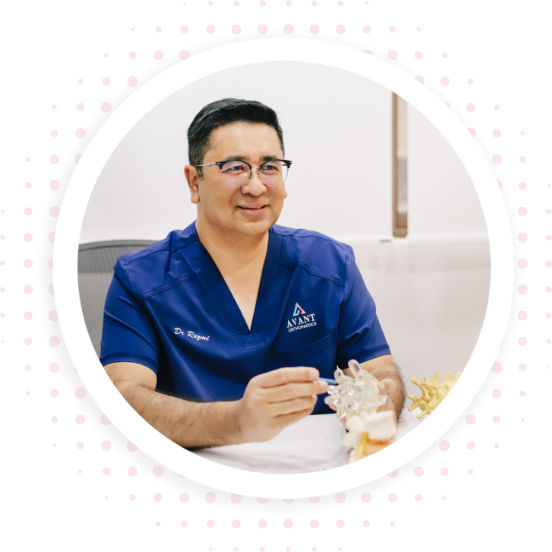
Dr. Razmi, a practicing orthopaedic and spine consultant at Mount Elizabeth Novena Hospital.
Dr Razmi routinely performs discectomy (minimally invasive surgery), decompression surgery, spinal fusion, motion preservation surgery including dynamic stabilization and dynamic fusion technologies and lumbar and cervical disc replacements. He is the first surgeon in Singapore to perform stand-alone anterior approached spine fusion using the Synfix implant.
Consultant Anaesthetist and Pain Physician
Dr. Hope Ang
MBBS (NUS) | MMed (Anaes) | FAMS

Dr Hope Ang is a Consultant Anaesthesiologist with extensive expertise in acute and chronic pain management, dedicated to helping patients regain function, reduce suffering, and improve quality of life through evidence-based, personalised care.
With more than 18 years of clinical experience, Dr Ang specialises in the assessment and treatment of complex chronic pain conditions, including musculoskeletal pain, neuropathic pain, cancer-related pain, and persistent postoperative pain. His approach integrates interventional pain procedures, ultrasound-guided regional techniques, multimodal pharmacological strategies, and close collaboration with multidisciplinary care teams to address both the physical and functional impact of chronic pain.
Related Conditions

Scoliosis is a medical condition where the spine is abnormally curved, typically side-to-side instead of the normal front-to-back curves throughout the backbone. These abnormal curves can happen at any part of the spine, whether at the neck (cervical spine), middle or upper back (thoracic spine), lower back (lumbar spine), or a combination of them.

Lower back pain generally affects your lumbar spine, the lower part of your spine located between the ribs and the pelvis made up of five vertebrae (or bones).

Tailbone pain, or coccydynia, is discomfort at the base of the spine that may occur after a fall, prolonged sitting, or childbirth. It can cause sharp or aching pain, especially when sitting, standing up, or leaning back. Treatments range from lifestyle changes, cushions, and medications to physical therapy and, in rare cases, surgery.
Find Us Here
Novena
9 AM to 1 PM (Saturday)
Closed on Sundays and Public Holidays
Parkway
9 AM to 1 PM (Saturday)
Closed on Sundays and Public Holidays

