
Spinal Cord Stimulation
Book An Appointment
Key Takeaway
- Spinal cord stimulation (SCS) uses mild electrical pulses to treat chronic pain.
- SCS is only recommended when other nonsurgical treatment methods fail to relieve pain effectively.
- An SCS device will be surgically implanted in a minimally invasive procedure, along with insulated wires (leads) that deliver these electrical impulses from the device.
- Recovery outcomes with SCS are positive, but it is vital to take care of yourself to prevent unwanted complications, such as the device or leads moving out of position.

What is Spinal Cord Stimulation?
Spinal cord stimulation (SCS) treats chronic pain by delivering mild electrical pulses to targeted areas of the spinal cord. SCS consists of a small device with a built-in power source, connected to insulated wires called leads, which are placed near the spinal cord to deliver low-intensity electrical impulses. The electrical impulses generated by these leads block pain signals travelling to the brain, helping to manage your pain.
The treatment is recommended for various conditions that cause severe pain, preventing you from performing your daily activities. Pain relief through spinal cord stimulation can vary from person to person, but in most cases, it enables individuals to manage their lives with significantly reduced pain.
Why is Spinal Cord Stimulation Performed?
Pain is an indicator that you are hurt or that something is happening to your body that causes you harm. It originates from the nerves, which send pain signals to your brain. When you experience chronic pain, it can reach debilitating levels that significantly interrupt your daily life, preventing you from getting through the day. Chronic pain can also influence your brain and nervous system: it may lead to more severe pain or even cause the nerves to send pain signals to your brain at random, infrequent intervals.
SCS aims to prevent these pain signals from reaching the brain by using mild and controlled electrical impulses to block the outbound pain signals. While not a first-line procedure, SCS can still be an effective treatment method when other nonsurgical treatments have not produced any consistent, positive results in treating your pain.
SCS is generally used to treat:
- Pain while recovering from surgery
- Back pain
- Spinal cord injuries
- Heart pain
- Neuropathy (conditions affecting the nerves)
- Complex regional pain syndrome (CRPS), which causes pain in your extremities, like your hands
- Inflammation of the spinal cord’s membrane
Essential Considerations for Spinal Cord Stimulation
The primary benefit of SCS is its ability to manage chronic pain, which can help improve your overall quality of life. However, it is important to be aware of additional considerations before agreeing to start treatment with SCS.
SCS Trial Period
If you are a suitable candidate for SCS, you will first need to undergo a trial period before beginning treatment. The trial enables you to use a temporary SCS system to assess its effectiveness in treating chronic pain. You will need to use it for a week or so and then relay your experience to your doctor. Minor adjustments can be made during the trial phase to ensure your comfort while still achieving effective pain relief. If SCS can help relieve half the chronic pain you experience, you may be considered eligible for permanent SCS implantation.
The trial period will still involve a minimally invasive surgery to position an SCS lead within the epidural space, the area between the outer membrane of the spinal cord and the surrounding ligaments inside the spine. The lead is then connected to an SCS device attached to your skin. If it provides at least 50 percent pain relief during this trial period, it will be considered a success, and you can move on with the permanent implantation.
Risks of Spinal Cord Stimulation
Like any medical procedure, SCS carries potential risks. Your doctor will inform you of these risks, and you are encouraged to clarify any concerns you may have about the treatment. Some risk factors include:
- Infection at the implant site
- Malfunctioning/damaged leads
- Migrating leads or SCS device
- Spinal cord trauma
- Nerve injuries
Your spine doctor will outline the preventive measures they will take to minimise these risks during the procedure.
Preparations for Spinal Cord Stimulation
During the initial consultation, your doctor will review your medical history and run some tests to ensure you are healthy enough for the minimally invasive surgery required to implant the SCS device. You may be asked a few questions regarding your current health, where you are experiencing pain, and other relevant questions. It may require a multidisciplinary approach that considers various aspects of your health to rule out additional risk factors that could complicate the procedure. If your doctor thinks that additional evaluations, such as blood tests, are necessary to confirm the diagnosis, these may also be conducted.
Your medical team will inform you about your treatment and the general dos and don’ts in preparation for surgery. Be sure to ask your doctor any questions you may have about your condition, potential risk factors, and how you can prepare for treatment.
Before Spinal Cord Stimulation
- Current health: If you have a preexisting chronic condition, a detailed assessment will determine if you are eligible for SCS treatment. If you are also taking certain medications, your doctor will inform you if you need to switch to other medications or temporarily stop taking them. For individuals with diabetes, bring your medications with you so that you can take them after the procedure.
- Device considerations: Some SCS devices remain active at all times, while others can be switched on and off at your convenience. The type of device will depend on various factors, including the frequency of your chronic pain.
- Health evaluations: Ideally, you should undergo dental or urinary evaluations before your surgery as a safety precaution to minimise the risk of infection or other complications.
- Post-surgery assistance: It is recommended that you have someone accompany you during the early stages of your recovery, helping with daily tasks at home or when going out.
- Mental health assessment: Inserting an SCS device can be a significant event, so it may be helpful to undergo a mental health assessment to support you on this medical journey.
- Lifestyle changes: Avoid eating or drinking anything after midnight on the night before the procedure. You can still hydrate, but only in small quantities or if you need to take any medications.
On the day of the surgery, you will undergo one last health assessment, which may also include a discussion about your anaesthesia needs. From there, you will change into a surgical gown and wait for the procedure to begin.
During Spinal Cord Stimulation
You will be sedated or placed under general anaesthesia before the procedure begins. Once done, the surgeon will make an incision on your back, close to your spine, so that they can anchor the SCS device in place. The incision is usually large enough to fit the lead into your epidural space; in most cases, a small incision will suffice.
Once the leads are in position, the surgeon will carefully anchor the leads to prevent them from moving around before connecting them to the SCS device. Once the SCS device and leads are in position, another incision is made to implant the device somewhere above or below belt level, where it can be easily reached. Typically, it will be located in your lower abdomen or buttocks. This part is essential based on the type of SCS device chosen for your needs. For example, SCS devices that can be turned on and off use a remote that must be held close to the implanted device.
Once the implantation is complete, the surgeon will carefully stitch the incisions using sutures or surgical staples. The SCS device may be programmed in the operating room or after surgery during your recovery.
After Spinal Cord Stimulation
You will also be taught how to use your SCS device to deliver electrical stimulation, which can help alleviate pain. Adjustments will be needed to ensure the pulses delivered to your spinal cord give the pain relief you need while preventing unwanted complications. You may experience tingling or warmth during SCS, but this is normal.
Regular follow-up checks are necessary to monitor your condition and the effectiveness of the SCS device. Most SCS devices can last between five and ten years, so these check-ups can help determine if they may need to be replaced. Be sure to notify your doctor about any changes you have experienced since your last visit, and they will help you adjust your SCS treatment accordingly.
You may also receive additional postoperative instructions to ensure a smooth recovery.
- Refrain from lifting heavy objects during your recovery. Even after you have recovered, continue to minimise lifting heavy objects to prevent accidentally dislodging the SCS device or its leads.
- Exercise regularly at home to support your recovery and prevent gradual muscle degradation. Avoid overexerting yourself to prevent unwanted complications, such as displaced SCS leads.
- Stay in touch with your doctor so they can help address any issues that may arise during your recovery. Attend all follow-up sessions (if applicable) to allow your doctor to monitor your recovery progress.
- If you are prescribed medications to support your recovery, ensure you take them at the stipulated times and dosage as set by your doctor. If you experience any sudden side effects, contact your doctor immediately and stop taking the medications until advised otherwise.
- Have someone who can assist you around the house to maximise recovery outcomes and reduce the risk of complications.
Because the SCS device contains metal, it may trigger metal detectors at airports and other security checkpoints. If this happens, inform the relevant personnel about your implanted SCS device.
Frequently Asked Questions
While additional research is needed to determine the efficacy of SCS in providing pain relief, professional medical support can help ensure positive recovery outcomes for those who opt for SCS after other nonsurgical methods have failed to provide relief.
As long as your SCS device is turned off, you can generally undergo imaging tests safely. However, it is important to inform your doctor or nurse beforehand to prevent potential complications. Note that not all SCS devices are MRI-compatible, so always consult your doctor before undergoing an MRI scan.
For your safety, make sure your SCS device is turned off while driving or operating heavy machinery. Sudden changes in stimulation levels can be distracting and interfere with the proper operation of the vehicle or heavy machinery.
Our Orthopaedic Doctor and Surgeon for Spinal Cord Stimulation
Dr. Razmi
FAMS (Ortho) | M Med (Gen Surg) (SG) | FRCSEd (Gen Surg) | MBBS (SG)
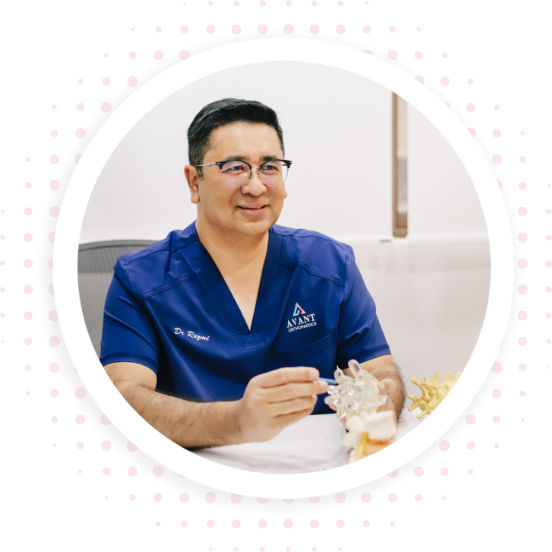
Dr. Razmi, a practicing orthopaedic and spine consultant at Mount Elizabeth Novena Hospital.
Dr Razmi routinely performs discectomy (minimally invasive surgery), decompression surgery, spinal fusion, motion preservation surgery including dynamic stabilization and dynamic fusion technologies and lumbar and cervical disc replacements. He is the first surgeon in Singapore to perform stand-alone anterior approached spine fusion using the Synfix implant.
Related Treatments
Spinal cord stimulation (SCS) treats chronic pain by delivering mild electrical pulses to targeted areas of the spinal cord. SCS consists of a small device with a built-in power source, connected to insulated wires called leads, which are placed near the spinal cord to deliver low-intensity electrical impulses.

Treatments for lower back pain include physical therapy, lumbar epidural steroid injections, spinal fusion, disk replacement and more!
Find Us Here
Novena
9 AM to 1 PM (Saturday)
Closed on Sundays and Public Holidays
Parkway
9 AM to 1 PM (Saturday)
Closed on Sundays and Public Holidays

