
Spinal Stenosis Treatment and Surgery in Singapore
Book An Appointment
Key Takeaway
- Spinal stenosis is a narrowing of the spinal canal, which puts pressure on the spinal cord and nerves, causing pain and discomfort.
- Spinal stenosis can occur due to ageing or conditions that weaken our spinal structure, putting us at risk of spinal fractures that can worsen our quality of life.
- Mild cases can be managed with nonsurgical methods, while severe cases require surgical intervention to treat and improve health outcomes.
- Regular exercise can be beneficial in preventing spinal stenosis, on top of lifestyle changes to help you manage pain and other symptoms.

What is Spinal Stenosis?
Spinal stenosis, sometimes known as a narrowed spinal canal, occurs when the canal where the spinal cord is located gradually narrows. The spinal cord is a bundle of nerves that starts in the brain and runs down the centre of the spine, and nerve roots stem from the spinal cord and branch out. As spinal stenosis happens, it applies pressure on the spinal nerves, resulting in pain or weakness in different body parts. Spinal stenosis typically affects men and women above the age of 50, and treating it will likely require surgery.
What are the Symptoms of Spinal Nerve Compression?
Spinal stenosis gradually worsens as the spinal canal narrows; however, symptoms do not always present immediately until much later in your life. Possible signs of a narrowed spinal canal that may arise include:
- Pain or cramping in your legs or other parts of your body.
- Pain or discomfort that flares up from time to time.
- A tingling feeling or numbness in your hands, arms, legs, or feet.
- Difficulty manipulating or holding items in your hands.
- A burning or aching sensation that radiates along your lower back to the legs, which can worsen as you stand or walk.
- Weakness in your legs, which causes balance issues.
- Neck pain.
If you are experiencing one or more of these symptoms, seek prompt medical attention from a spine or back pain specialist for diagnosis and appropriate care.
What Causes a Narrowed Spinal Canal?
Under normal circumstances, the spinal canal has sufficient room for the spinal cord and the many nerve roots that run along its length. However, various causes can gradually lead to the narrowing of this spinal canal, primarily due to ageing and specific conditions that impact your spinal health.
As we age, our body undergoes many changes as underlying structures weaken. In this case, ageing will slowly cause the loss of your spinal structure: one example is when the ligaments supporting the spinal vertebrae gradually thicken and harden due to calcium salt deposits. The intervertebral discs that are cushions between our vertebrae can also leak out as they dry out and their outer layer cracks. As a result, the outer layer called annulus bulges and then presses down on nearby nerves, causing pain and discomfort.
Spinal injuries can also be a significant risk factor for spinal stenosis, as broken, fractured, or dislocated vertebrae can cause the gradual narrowing of the spinal canal. This narrowing may also be exacerbated by inflammation near these injuries, further constricting the spinal canal. Medical conditions like osteoarthritis are another worrying causal factor, as they can put you at higher risk of herniated discs or the gradual loss of function in your joints.
Moreover, those with congenital or genetic problems that weaken bone growth have a higher risk of spinal nerve compression. These conditions could lead to improper spinal cord development or an unnatural curvature in the spine’s shape during infancy.
Diagnosing Spinal Nerve Compression
Diagnosing with a Physical Examination

Your doctor will perform a physical examination to ascertain where you are experiencing any symptoms of spinal nerve compression. In addition to taking your medical history, they will carefully assess your back and check for tenderness, discomfort, or pain; be sure to let your doctor know if you feel anything during this process. The doctor will typically focus on the entirety of your spinal region and the areas beside your spine (para-spinal regions). You may also need to bend in different directions so the doctor can assess for other potential issues. A neurological examination will also be performed to assess the functions of the suspected nerves that have been compressed.
Diagnosing with Imaging Tests
Your doctor may order additional imaging tests to help confirm your diagnosis if the physical exam is insufficient. These tests could also help differentiate your condition from other ailments with similar symptoms.
- X-ray scan: X-ray images provide a clear picture of your spine, allowing the doctor to look for any signs of bone damage, changes due to ageing-related factors, and possible deformities.
- CT scan: A computed tomography (CT) scan uses a combination of X-ray images to generate a cross-section of your spine. Sometimes, a contrast dye is added to allow doctors to see your spinal cord and nerves more clearly.
- Magnetic resonance imaging (MRI): This test may be needed if your doctor needs to examine the soft tissue in and around your lower back to look for signs of damage to the intervertebral discs, possible infections, and other potential complications.
What is the Treatment for Spinal Stenosis?
The treatment available to you will depend on the cause of the spinal stenosis, where it occurs, and its current severity. If symptoms are mild and imaging shows minor damage or complications, spinal stenosis can still be treated with simple at-home care methods, including taking medications. Otherwise, surgery is the suitable treatment method for more severe cases.
Treating Spinal Nerve Compression Without Surgery
Treating Spinal Nerve Compression via Medications
Medications can provide much-needed relief to your spinal stenosis. Nonsteroidal anti-inflammatory drugs (NSAIDs) like aspirin can relieve pain and reduce swelling in and around your lower back. You may also be prescribed muscle relaxants to help alleviate any spasms you might experience.
Steroid injections, such as corticosteroids, delivered directly to the space around a pinched nerve may also be an option to relieve inflammation and pain. These injections do need careful consideration, as they may come with side effects that can affect your recovery. Often these injections have to done be under image guidance using x rays or CT scan.
Treating Spinal Nerve Compression via Physiotherapy
Physiotherapy can help you reduce pain and swelling, strengthen your muscles to support your spine, and slowly restore your range of motion, resilience, and flexibility. Your physiotherapist will show you various exercise methods to help with this and also passive modalities to help manage any pain or discomfort you experience, such as using heat and ice packs intermittently.
Depending on where your spinal stenosis occurs, various therapies will help to decrease painful symptoms, improve your strength, recover flexibility, and prevent future complications. After being discharged, you can continue these therapies at home to enjoy unhindered mobility and independence. Be sure to start with simple exercises first as suggested by your physiotherapist. As your condition improves, you can slowly build up the intensity and duration of your workouts.
Treating Spinal Nerve Compression via Medical Brace
A medical brace can provide much-needed spinal support while slowly improving your balance and mobility, especially if you have weak abdominal muscles or other age-related complications affecting your spine. Back brace should not be used on a long term basis. They are to be worn during acute phase of the pain but should be weaned off early to promote back muscles reactivation and strengthening.
Treating Spinal Nerve Compression With Surgery
If nonsurgical methods are ineffective in helping with your recovery, or if your condition has worsened, surgery is the best option to recover from spinal stenosis.
Treating Spinal Nerve Compression via Laminectomy
This surgical procedure involves removing the lamina, the posterior part of the spinal canal on that envelopes the neural elements of the spine. Doing this helps to removes pressure pressing down on your nerves and opens up the spinal canal to prevent further impingement. The procedure will require general anaesthesia, so you will not feel any pain during the surgery.
The surgeon will first make an incision above the targeted area. They will then carefully move your skin, ligaments, and muscles to the side to analyse the affected area for any damage or deformities before surgery. The surgeon will carefully remove the lamina and any bone spurs or damaged soft tissues. If needed, they will perform additional procedures to open the spinal canal further or stabilise the vertebrae.
Afterwards, the surgeon returns your muscles, ligaments, and skin to place and repair the incision site up. The entire procedure will take one to three hours or longer if other procedures are necessary.
Treating Spinal Nerve Compression via Spinal Fusion
Spinal fusion is only recommended in cases where spinal stenosis is considered severe and or if your spine seems unstable. The procedure involves permanently fusing two vertebrae to strengthen and stabilise the spinal column. Any weakness along the spine can put pressure on your nerves and cause pain and other complications.
A spinal fusion may involve removing and replacing a damaged or herniated disc between the vertebrae, followed by using bone grafts or metallic fixtures (or a combination of both) to secure the vertebrae. Over time, your body will use that new graft as part of your body’s natural healing process to mend and strengthen the fusion of the affected vertebrae.
How to Prevent Spinal Stenosis

- Perform regular exercise every 20 to 30 minutes three times a week. Speak to your doctor or physiotherapist about handy tips to help you with your exercise routine, how to manage pain, and recommendations for exercises that help your condition.
- Maintain a healthy diet with sufficient nutrients to nourish your body. Include more calcium-rich food and reduce fat, sugar, and salt intake.
- Maintain a healthy weight to help improve your general well-being and reduce pressure on your spinal column.
- Try alternative therapies like yoga and acupuncture, as they can provide pain relief or additional support to improve your well-being.
- Quit smoking and cut down on your alcohol consumption. Smoking, in particular, can have plenty of adverse effects on your body, which can also impact your overall bone health.
- Maintain good posture to help manage pain symptoms. Flexing your spine can help release pressure on your nerves and give you some welcome relief.
- Keep your house clutter-free to reduce the risk of falls, which can injure your spine and potentially cause a fracture or worse.
- Avoid overexerting yourself, as you can put excessive pressure on your spine and cause further complications.
- If necessary, use assistive devices such as crutches to help you with your mobility.
Frequently Asked Questions
Apart from the pain and discomfort you feel along your spine, arms, and legs, there may be a low risk of other complications arising from pressure on the nerves. These may include incontinence and even partial or complete paralysis affecting some of your limbs.
If you are worried that you are exhibiting symptoms of spinal stenosis, a quick visit to the doctor can help you get an accurate diagnosis. The sooner you speak with your doctor, the better; some pain and stiffness occur as we age, but if they become more concerning or severe, consult a doctor immediately.
Thankfully, with proper medical support and the associated lifestyle changes, you can still enjoy an excellent quality of life, even with spinal stenosis. You must do all you can to maintain your well-being at all times through simple lifestyle modifications to manage your pain and other symptoms. Regular check ups with your doctor will also ensure that you always stay on top of your spinal health.
When Should You Seek Professional Help?
Spinal stenosis requires prompt medical attention, and our Doctors at Avant Orthopaedics can help. Contact us to book an appointment and receive personalised care, where we will diagnose your condition and recommend the best course of action.
Our Orthopaedic Doctor and Surgeon for Spinal Stenosis
Dr. Razmi
FAMS (Ortho) | M Med (Gen Surg) (SG) | FRCSEd (Gen Surg) | MBBS (SG)
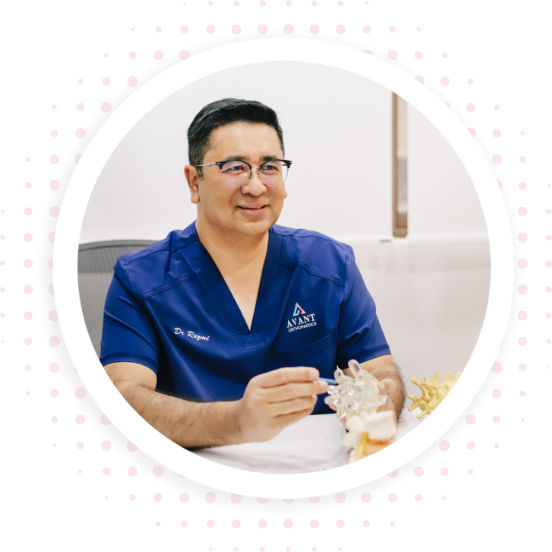
Dr. Razmi, a practicing orthopaedic and spine consultant at Mount Elizabeth Novena Hospital.
Dr Razmi routinely performs discectomy (minimally invasive surgery), decompression surgery, spinal fusion, motion preservation surgery including dynamic stabilization and dynamic fusion technologies and lumbar and cervical disc replacements. He is the first surgeon in Singapore to perform stand-alone anterior approached spine fusion using the Synfix implant.
Related Treatments

Spinal instability can occur at any region of the spine. When it occurs in the lumbar region then it is known as lumbar instability. It is an example of an unhealthy spine. This leads to abnormal movement between two or more vertebrae in the spine.

A spinal tumor is an abnormal growth of cells that can be found within or around your spinal cord. While spinal growths can happen in any part of the spine, they are more commonly found in the thoracic and lumbar regions.
Find Us Here
Novena
9 AM to 1 PM (Saturday)
Closed on Sundays and Public Holidays
Parkway
9 AM to 1 PM (Saturday)
Closed on Sundays and Public Holidays

