
Back Pain: Symptoms, Causes and Diagnosis
Book An Appointment
What are the Symptoms of Back Pain (Spinal Conditions)?
Back Pain (Spinal Conditions) can manifest in a variety of ways, and their symptoms can vary depending on the specific condition and its severity. Here are some common symptoms associated with Back Pain (Spinal Conditions):
- Persistent back pain
- Numbness and tingling in your arms, legs, hands, or feet
- Fatigue and sleep disturbance
- Weakness in limbs
- Muscle spasms around the spine
- Limited range of motion
If you notice any of these signs, we recommend reaching out to our specialists at Avant Orthopaedics for proper diagnosis and back pain treatment.

What are the Common Causes of Back Pain?
A disc herniation occurs when the soft cushioning material (disc) between two vertebrae bulges or ruptures, often putting pressure on nearby nerves. The symptoms can vary depending on the location and whether any nerves are affected. However, the common signs of this are numbness, tingling, or weakness, along with pain that radiates down the arm or leg.
Spinal stenosis is the narrowing of the spinal canal, which can compress the spinal cord or nerves. Spinal stenosis often occurs as a result of age-related changes or conditions like arthritis. Symptoms typically include pain or cramping in the legs, especially during activities like walking or standing.
Spinal instability refers to abnormal movement between vertebrae, often due to injury or degeneration. Symptoms may involve persistent pain that worsens with certain movements or positions, a sensation of "giving way" in the spine, and muscle fatigue or spasms.
Arthritis affecting the spine, particularly osteoarthritis, involves the gradual breakdown of the cartilage between spinal joints. This can lead to joint pain, stiffness, and reduced range of motion. Symptoms often worsen after periods of inactivity or with specific movements.
This condition involves the breakdown of intervertebral discs over time. This can lead to chronic low back pain that may vary in intensity and may worsen with physical activity. Pain is often experienced in the lower back and may radiate to the buttocks and thighs. Activities like sitting, bending and lifting weights will aggravate the pain whilst standing and walking will relieve the pain.
Sciatica is characterised by pain that originates in the lower back and radiates down the back of the leg, following the path of the sciatic nerve. It often results from compression or irritation of the nerve, which can be caused by conditions like disc herniation or spinal stenosis.
How Can the Source of Your Back Pain (Spinal Conditions) Be Diagnosed?
Diagnosing what’s causing spinal problems takes a methodical approach led by specialists who are experts in this field. It’s important to stress that trying to diagnose yourself based on online information is risky and can lead to inaccurate conclusions. Therefore, seeking a medical opinion is best when it comes to clearing doubts and determining the severity of your condition.
- Checking Your Nerves and Muscles
- Specialist Consultations
- Physical Examination
- Performing Imaging Tests
- Examining Your Medical History
What is the Anatomy of the Spine?

The spine is a remarkable structure composed of 33 vertebrae, divided into five regions:
Cervical (neck)
These are in your neck area and supports and help you turn your head.
Thoracic (mid-back)
They are anchoring points to your ribs and keep your upper body stable.
Lumbar (lower back)
This can be found in your lower back and supports your body weight.
Sacral (pelvic)
These are fused together and make up your pelvis.
Coccygeal (tailbone)
These are at the very bottom of your spine and help you balance when you sit.
Between each vertebra is a soft, gel-like disc known as the intervertebral disc to act as a shock absorber, enabling smooth movements and preventing bone-on-bone friction. They are held together by ligaments, tendons, and muscles that surround the spine.
These vertebrae also have a hole in the centre which, when stacked together, forms a hollow tube where you can find the spinal cord. It’s a bundle of nerves that carries messages back and forth between your brain and the rest of your body. This is how your brain tells your body what to do, like when you want to pick up something or take a step.
Furthermore, like sections of a ladder, your spine has different parts. The top part is called the cervical region, is your neck. Moving on, the middle part is the thoracic region, where your ribcage is attached. The lower part is the lumbar region, which supports your lower back. Finally, the sacral and coccygeal regions are near your pelvis and tailbone.
Are You or a Loved One Suffering from Back Pain?
Back pain can be a debilitating condition that prevents you or your loved ones from living life to its fullest. Feel free to book an appointment to receive a personalised consultation where we will diagnose your condition and recommend a suitable treatment.
Our Orthopaedic Doctor and Surgeon for Back Pain
Dr. Razmi
FAMS (Ortho) | M Med (Gen Surg) (SG) | FRCSEd (Gen Surg) | MBBS (SG)
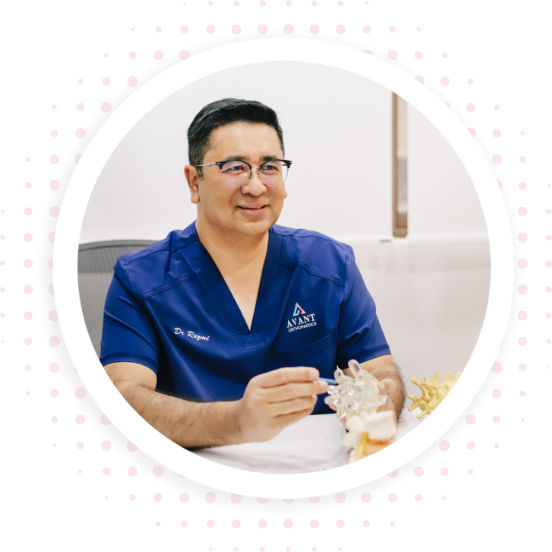
Dr. Razmi, a practicing orthopaedic and spine consultant at Mount Elizabeth Novena Hospital.
Dr Razmi routinely performs discectomy (minimally invasive surgery), decompression surgery, spinal fusion, motion preservation surgery including dynamic stabilization and dynamic fusion technologies and lumbar and cervical disc replacements. He is the first surgeon in Singapore to perform stand-alone anterior approached spine fusion using the Synfix implant.
Related Conditions

Sciatica is a condition where you experience pain along the sciatic nerve. The sciatic nerve originates near the base of your lumbar spine (in the lower back) and is the largest nerve in your body. It contributes to both motor and sensory functions for your legs and feet. Prompt treatment of sciatica is important because early intervention can help reduce pain and prevent symptoms from worsening.

Tailbone pain, or coccydynia, is discomfort at the base of the spine that may occur after a fall, prolonged sitting, or childbirth. It can cause sharp or aching pain, especially when sitting, standing up, or leaning back. Treatments range from lifestyle changes, cushions, and medications to physical therapy and, in rare cases, surgery.
Find Us Here
Novena
9 AM to 1 PM (Saturday)
Closed on Sundays and Public Holidays
Parkway
9 AM to 1 PM (Saturday)
Closed on Sundays and Public Holidays

