Osteoporosis: Symptoms, Causes and Diagnosis
Book An Appointment
Key Takeaways
- Treating osteoporosis does not require surgery unless absolutely necessary, such as a severe fracture that impacts our daily life.
- Prevention focuses on improving your physical health, having a balanced diet, and being mindful of your daily activities to prevent falls from happening.

What is Osteoporosis?
Osteoporosis is a process in which our bones gradually weaken, become more fragile, and easy to break. Osteoporosis is a silent condition, gradually progressing over time without realisation until a fall causes our bones to fracture or break. In fact, severe cases of osteoporosis can cause bone damage even after bending over to sneeze.
Osteoporosis can affect any bone, but osteoporosis-related breaks typically affect the wrist, spine, or hip. Both men and women above age 50 are at risk, though it can still affect anyone at any age; women are at notably higher risk than men, especially women who are past menopause.
What are the Symptoms of Osteoporosis?
Osteoporosis is a progressive condition that gradually worsens; however, symptoms may not immediately present until many months or years later in your life. Symptoms that may arise include:
- Bones easily fracture even after a minor fall or strain.
- Back pain due to a fractured or collapsed spinal vertebra (or multiple vertebrae).
- Inability to stand straight without feeling pain or discomfort.
- Gradual loss of height.
- Shortness of breath as an impacted vertebra affects your lung capacity.
Fractured or collapsed vertebrae can cause chronic back pain, which may be severe and disabling, adding to the challenges faced by those with brittle bones.
As the vertebrae in the spine weaken and collapse, individuals may experience a gradual loss of height and a stooped posture, a condition that is also known as kyphosis. This is a characteristic of brittle bones.
Osteoporotic fractures most commonly occur in the hip, spine, and wrist. These fractures can result from minor falls or even routine activities, further emphasizing the vulnerability of weak and brittle bones.
As the vertebrae in the spine weaken and collapse, individuals may experience a gradual loss of height and a stooped posture, a condition also known as kyphosis. This is a characteristic of brittle bones.
If you notice any of these signs, we recommend reaching out to our specialists at Avant Orthopaedics for proper diagnosis and treatment.
What are the Causes of Osteoporosis?
Our bones constantly renew themselves, replacing old and damaged bone every seven to ten years through a process known as bone remodelling. Until age 30, your body can keep up with the steady bone loss it goes through, but that slowly diminishes once you go past age 30. From there, old bone is removed faster than your body can renew. As a result, you gradually lose bone density and structure, decreasing your bones’ overall strength as you age.
Our bones form a honeycomb-like structure while they are still in good condition. As osteoporosis occurs over time, more holes can be seen in our bone structure, indicating a loss in bone density. The lower our bone density, the more likely our bones are to break, even from a slight stumble. Hormonal changes are also a risk factor, especially for post-menopausal women. This happens because women lack the hormone estrogen, which is needed to curb rapid bone loss.
An early screening can help point out early bone loss that eventually leads to osteoporosis. In the early stages of bone loss, or osteopenia, you may find that your overall bone density has reduced, but not to the point that it can be considered osteoporosis. Preventative measures while you still have osteopenia can be beneficial in slowing down osteoporosis and strengthening your bones once more.
There are also a variety of other causes of this condition such as:
As the levels of oestrogen decrease, bone density will begin to lower too. Therefore, after menopause, the rate of bone loss accelerates, making this period particularly vulnerable. On average, women can lose up to 10% of their bone mass in the first five years after menopause. Beyond the immediate postmenopausal years, the rate of bone loss generally slows down, but the risk of osteoporosis remains.
Individuals who have previously experienced fractures, especially fragility fractures, which are fractures that occur from minor trauma or falls, are at a higher risk of developing osteoporosis. These often indicate weak as well as brittle bones and an increased susceptibility to future fractures.
Long-term use of specific medications can lead to bone loss and increase the risk of osteoporosis. Notable examples include corticosteroids, which can negatively impact bone density and quality. Other medications, such as some anticonvulsants and certain cancer treatments, may also contribute to weak bones.
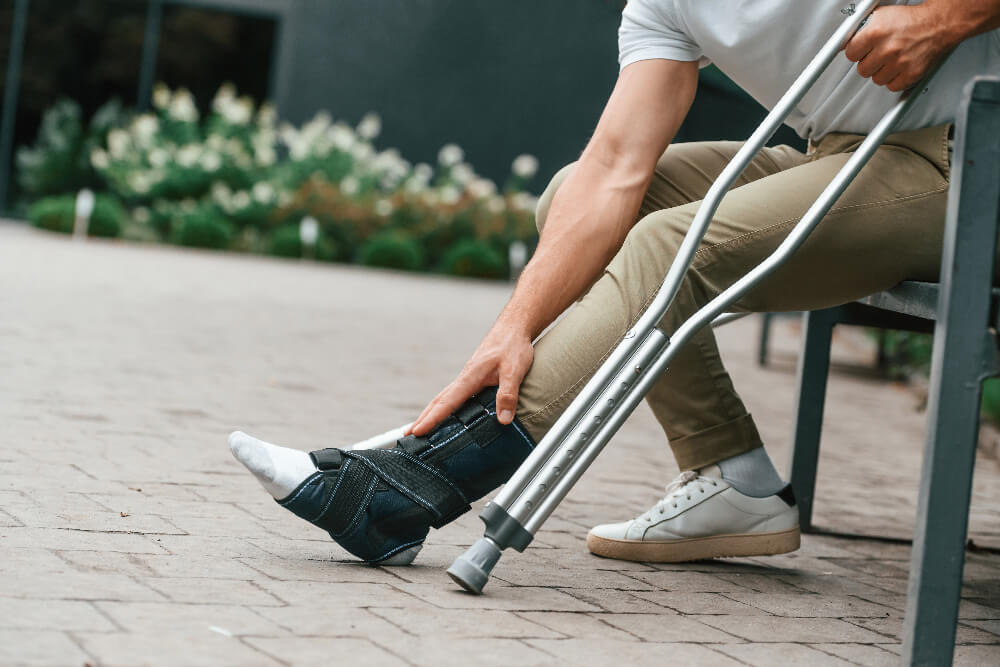
Primary and Secondary Osteoporosis
Nearly all occurrences of osteoporosis stem from primary osteoporosis, which gradually affects your bone density and structure as you age. Secondary osteoporosis typically occurs due to other medical complications directly impacting bone metabolism. Secondary osteoporosis can occur as a result of chronic kidney disease, hormonal disorders, autoimmune diseases, and even certain cancers. Some medications can also result in secondary osteoporosis, such as thyroid hormone replacements or steroid therapy.
How is Osteoporosis Diagnosed?
Your healthcare provider will begin by asking about your medical history, including any previous fractures, family history of osteoporosis, and your lifestyle habits, including diet, exercise, smoking, and consumption of alcohol. You may also be asked whether you have any existing medical conditions or are on any medications as they could lead to an increased risk of fractures and lower bone mass.
Physical examination may be performed to assess your posture, height, and any signs of curvature in the spine, which can be indicative of vertebral fractures. Your healthcare provider may examine your gait along with muscle strength.
Your doctor may ask questions regarding your medical history and if you recently had any injuries that may have led to a fracture. They may ask further questions to help them understand your condition and look for signs of osteoporosis.
The primary diagnostic tool for osteoporosis is a bone density test that measures bone strength. Also known as a dual-energy X-ray absorptiometry, DEXA, DXA, or Bone Density Scans, it is used to diagnose osteoporosis by measuring bone mineral density (BMD) in specific areas of the body, typically the hip, spine, or forearm. It allows doctors to find areas of low bone mass well before a fracture can occur. A T-score or Z-score is calculated to compare your BMD to that of a healthy young adult, and the score indicates the risk of osteoporosis. A score between -1 and +1 indicates normal bone density, while a T score of -1 to -2.4 indicates osteopenia. If the T score is below -2.5, you have osteoporosis.
Other tests, including blood or urine tests, can be ordered to determine hormone levels, which also play a role in maintaining bone density and strength.
A T-score will be assigned if you are a postmenopausal woman or man aged 50 or older. It is calculated by comparing your bone mineral density (BMD) to that of a healthy young adult of the same sex. Here's what different T-scores mean:
It means your bone density is similar to that of a healthy young adult. This indicates that your bones are considered healthy and strong.
This suggests that you have osteopenia. Osteopenia is a condition where your bone density is lower than that of a healthy young adult but not severe enough to be classified as osteoporosis. It indicates that your bones are weaker than ideal but not at the level of osteoporosis.
A score of -2.5 or lower is indicative of osteoporosis. This means your bone density is significantly lower than that of a healthy young adult, and your bones are at a high risk of fractures.
Unlike the T-score, which compares your bone density to that of a healthy young adult, the Z-score compares your bone density to that of individuals in your peer group. Z-scores are typically used for premenopausal women, men younger than age 50, and children. Here are what different Z-scores mean:
If your Z-score is -2.0 or lower, it suggests that your bone mineral density is significantly lower than what is typical for people of your age, sex, and, in some cases, ethnicity. This low Z-score may indicate low bone density, but it doesn't necessarily mean you have osteoporosis. Instead, it might suggest other factors such as medications or underlying medical conditions that are affecting your bone health.
If you notice any of these signs, we recommend reaching out to our specialists at Avant Orthopaedics for proper diagnosis and treatment.
Are You or Your Loved Ones At Risk of Osteoporosis?
Osteoporosis is a condition that can easily go undetected, and early detection can improve treatment outcomes. Whether you or your loved ones are facing this condition, feel free to book an appointment with us at Avant Orthopaedics, and we will provide you with a personalized consultation.
Related Conditions
Fractures and dislocations are common injuries caused by trauma, falls, or accidents that affect bones and joints. A fracture refers to a break or crack in a bone, while a dislocation occurs when bones in a joint are forced out of position. Symptoms include pain, swelling, deformity, and limited mobility. Diagnosis involves physical examinations and imaging tests such as X-rays or MRI scans. Treatment varies depending on severity, including immobilisation, the PRICE method, or surgery such as open reduction and internal fixation. Proper care, rehabilitation, and preventive measures like regular exercise, bone screening, and a healthy diet support recovery and help prevent future injuries.
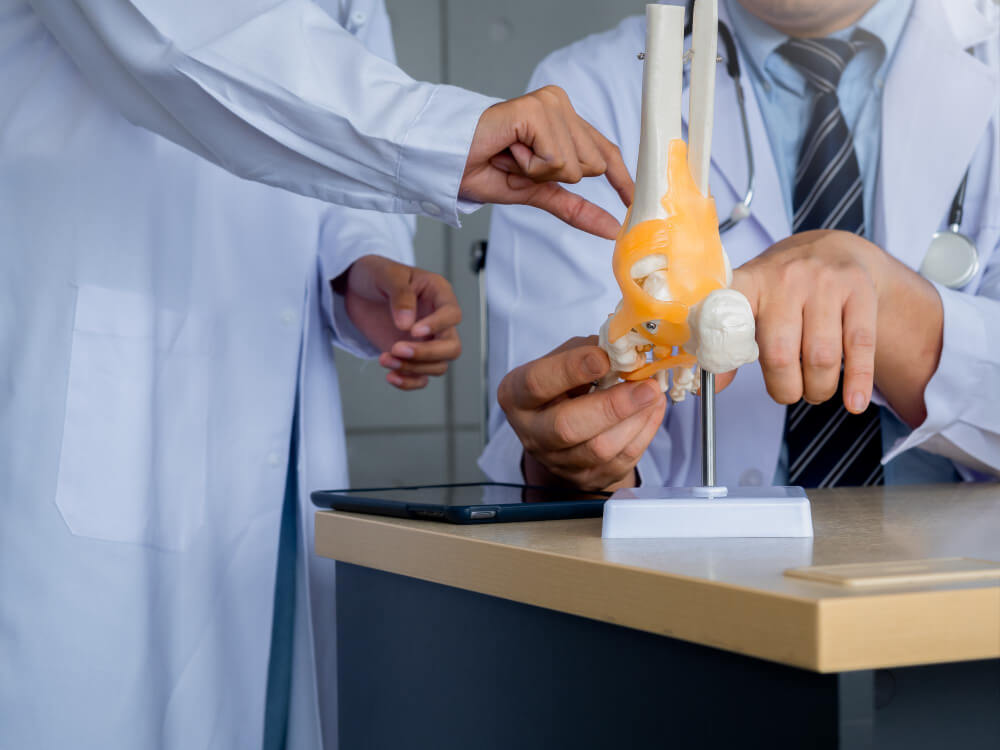
Bone tumours are abnormal growths found within any bone in your skeletal system. However, bone tumours may typically be found on the larger bones in your body, including the femur, tibia, humerus, ribs, spine, and pelvis. In most cases, bone tumours are benign (non-cancerous) and will usually go away after some time, even without non-surgical interventions.
Find Us Here
Novena
9 AM to 1 PM (Saturday)
Closed on Sundays and Public Holidays
Parkway
9 AM to 1 PM (Saturday)
Closed on Sundays and Public Holidays
