
Stress Fractures: Symptoms, Causes, and Treatments
Book An Appointment
Key Takeaways
- Stress fractures are tiny cracks that form on your bones due to overuse injuries or other health conditions.
- General symptoms include pain or discomfort in the affected area, which can increase or decrease as you perform your regular activities.
- Treatment typically requires non-surgical approaches to allow stress fractures to heal over time; surgery is only considered if you still experience pain even after receiving non-surgical therapies.
What are Stress Fractures?
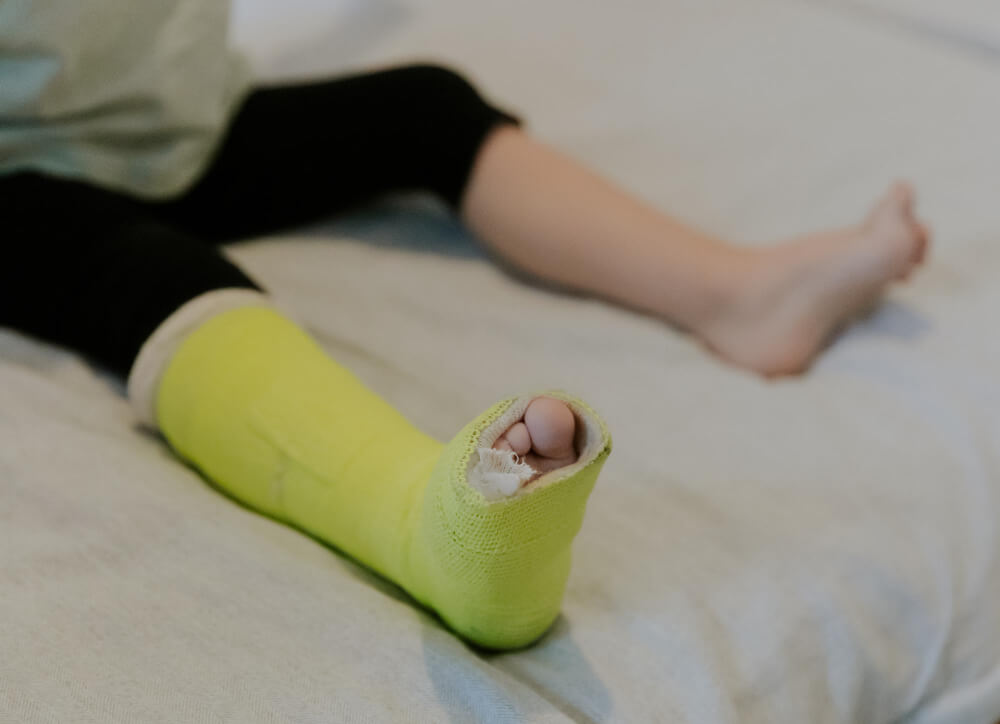
Stress fractures are characterised as overuse injuries, where tiny cracks form on bones due to repetitive force or caused by conditions such as osteoporosis, which can weaken bone health. They commonly affect the weight-bearing bones, including the lower leg, feet and heels, and can affect anyone living an active lifestyle with plenty of repetitive movements. There is also a small risk of stress fractures occurring in the shoulder, hip bone and lower back.
Studies indicate that less than one in 100 people will develop a stress fracture in their lifetimes, but anyone is still at risk, especially if they are active athletes or are involved in physically intensive work.
Symptoms of Stress Fractures
Early onset cases are typically characterised by growing discomfort or pain in a specific spot along your bone. It sometimes appears at the start or towards the end of your physical activities but may later crop up more frequently; it typically disappears when you are resting. The pain or discomfort may also be accompanied by swelling and tenderness in the affected area.
Other symptoms you may experience include:
- Persistent discomfort or a dull ache throughout your daily activities.
- Pain that intensifies and then reduces at infrequent intervals.
- Pain that causes you to start limping.
- Pain that presents itself even when you are resting.
- Pain when you place pressure or weight on the affected part.
What Causes Stress Fractures?

Your body constantly renews older, damaged bone with new, healthy, and stronger bone, a process known as bone remodelling. When a bone cannot adapt quickly enough to your load-bearing needs, it can disrupt the bone remodelling cycle and cause weakness, or bone stress. As a result of this, you are at higher risk of a stress fracture if you do not carefully manage your activities, allow yourself time to rest and allow the bone to properly adapt. The more you use the injured side, the more likely it can cause a stress fracture.
Overuse injuries also typically occur when muscles slowly become fatigued from activities and cannot absorb any more shocks. Over time, the fatigued muscle may transfer these stresses to bone and cause a stress fracture to form.
Generally, stress fractures result from an increase in the duration, frequency, or intensity (or a combination of these) of physical activity, such as sports, without giving the body sufficient time to rest and recuperate. In fact, any sudden increase in activity can still put you at risk of a stress fracture, especially if you have not been moving much for a significant time and somehow end up moving more often than usual. You would no doubt have heard frequent advice about keeping active if you are constantly sedentary at work to minimise the risk of stress fractures and other complications.
Risk Factors of Stress Fractures
Apart from overuse, there are additional factors that can potentially cause stress fractures, some of which may be out of your control. Nevertheless, it can be helpful to know what these additional risk factors are so you can think about how you can prevent stress fractures from happening.
- Age plays a significant role: the older we get, the weaker our bones become; this is also exacerbated by conditions such as osteoporosis, which weakens bones.
- Your genetics also play a role in how they can affect your overall bone health: for example, if you have a family history of osteoporosis, you are likely to be at higher risk of developing it.
- If you have had an injury before this, you are also at some risk of having another injury later in life.
- The way you move can also be a risk factor of concern. For example, an improper landing from a jump can potentially hurt you and gradually cause stress fractures.
- A good pair of footwear can protect you from shocks whenever you move around, whether walking or running. Poor footwear conditions can increase your risk of stress fractures, compounded by overuse without proper rest in between sessions.
- Starting a new exercise regimen can also cause stress fractures if you do not pace yourself accordingly to adapt to the new routine.
How to Diagnose Stress Fractures
Diagnosing with a Physical Examination
Your doctor will perform a physical examination to look for any stress fractures in your bone. They will assess your medical history, check where you are experiencing pain and ask follow-up questions about your symptoms. They may also ask about your daily physical routines to understand how your pain or discomfort manifests or might have started. The physical exam will look for bone tenderness and other symptoms wherever you feel pain or discomfort.
Using the Hop Test
The hop test, also known as the foot stress fracture test, is a simple test procedure to determine if there are stress fractures in the lower extremities. Your doctor will instruct you to stand barefoot on the affected leg and then hop as high as you can. Feeling any pain or discomfort when jumping or landing from a jump may indicate the presence of a stress fracture. However, the hop test is not a highly accurate diagnostic test and should be accompanied by imaging tests to confirm the diagnosis.
Diagnosing with Imaging Tests

A more accurate diagnosis of stress fractures via imaging tests is needed to diagnose your condition accurately. These tests could also help differentiate your condition from others with similar symptoms. It can still be tricky, as some stress fractures are tiny enough that they do not show up on the imaging scan, or there is no noticeable displacement of bone.
- X-ray scan: In the early stages of injury, the X-ray may appear normal at first; it might take a few weeks or months before any signs of stress fractures show up.
- Magnetic resonance imaging (MRI): An MRI scan is typically the best way to find stress fractures. The MRI uses radio waves and a strong magnetic field to create a detailed image of the bone, soft tissues, and surrounding structures. It can be beneficial to look for bone swelling and distinguish between stress fractures and other soft tissue injuries.
- Bone scans: This scan is ordered if a stress fracture is suspected to have affected an area the MRI has difficulty scanning. A radioactive substance (tracer) is intravenously inserted into your body and is heavily absorbed where bones are undergoing repair; the tracer appears as a bright white spot on the scanned image.
How to Treat Stress Fractures
Thankfully, stress fractures can be treated without needing any surgery unless it is a severe case that leads to substantial bone loss or damage and impairs your mobility. In most, if not all, cases, nonsurgical therapies are sufficient to help you make a positive recovery.
Treating Stress Fractures via First Aid Techniques

The RICE method can help you reduce symptoms and manage pain.
- Rest: Avoid activities that put pressure/stress on the affected area.
- Ice: Place a cold compress or ice pack in a towel on the affected area for 15 to 20 minutes every three hours. Avoid placing the ice directly onto your skin.
- Compression: Wrap the affected area with bandages or a compression wrap to immobilise it, decrease swelling, and allow the affected part to heal.
- Elevation: Position the affected area above the level of your heart as often as possible. If need be, you can prop it up with pillows.
Treating Stress Fractures via Immobilisation
If your stress fracture affects a bone along your leg, wearing a cast or padded boot(s) or using crutches helps support your injured bone or limb and reduces the pressure placed on the injured area. For other areas, a cast or brace would be ideal to help with your recovery.
Treating Stress Fractures via Physiotherapy
Physiotherapy can help reduce pain and swelling, strengthen bones and muscles, and slowly restore range of motion and flexibility. Your physiotherapist will show you various exercise methods to help with this, focusing on restoring your overall strength and flexibility while reducing further damage to the affected bone. For the most part, the initial period involves getting sufficient rest to let your stress fracture slowly heal over time.
Once you are given the green light, your physiotherapy sessions may involve stretching and strengthening exercises and building up your fitness through less weight-bearing activities like static cycling and swimming. Your physiotherapist will help advise you on the essential dos and don’ts to help with your physiotherapy and ensure positive outcomes from your sessions.
In between sessions, it is also vital that you get sufficient rest so you do not overwork the affected bone and cause further complications.
Treating Stress Fractures via Medications
Medications can provide much-needed relief from your condition. Your prescriptions may include nonsteroidal anti-inflammatory drugs (NSAIDs) like aspirin and acetaminophen, both of which can help relieve pain and reduce swelling.
Treating Stress Fractures With Surgery
Only if stress fractures are causing your affected bone to heal at a slower rate or if pain continues to impair your ability to perform daily activities will your doctor consider surgery. It may be due to the fracture becoming more severe and can likely cause more significant complications, persistent pain notwithstanding.
The most common surgical method would be the internal fixation method, where the surgeon will install pins, rods, screws or metal plates into your bone to keep it together and let it heal over time. The hardware can be installed even after your bone has healed, but your doctor will advise you on the best course of action.
How to Prevent Stress Fractures

The good news is that most stress injuries will take at least three to six weeks to heal, although more severe cases can take three months or more. Prevention will typically involve addressing what you can control, especially with getting sufficient rest and balancing your recovery with a gradual increase in physical activity to help get you back on your feet.
- Get as much regular exercise as possible to strengthen your limbs and maintain their flexibility. Exercise also helps your bones absorb extra force while reducing the weight placed on them.
- Mix and match your exercise routines. Try combining low-impact activities with other routines for a nice change of pace every day or week.
- Pace yourself accordingly when exercising; avoid straining yourself during your routines, as it can exacerbate your current condition or interrupt your recovery.
- Use proper equipment during training and wear appropriate clothing and supportive footwear during your exercise routines.
- Maintain a healthy weight to reduce the pressure on your joints when you stand or walk. A healthy diet will also help with weight management and ensure you get sufficient nutrients to stay healthy.
- Incorporate more vitamin D and calcium to help strengthen your bones and protect you from early bone loss and the risk of fractures.
- If you are active in sports, take breaks between sports seasons to have sufficient time to rest and recover. If you do need to practice, go at a comfortable pace.
Getting Professional Medical Attention
Stress fractures are not a life-threatening complication, but it is nonetheless crucial that you seek medical attention to help with its recovery. Here at Avant Orthopaedics, our professional orthopaedic specialists are ready to support you with comprehensive medical support to get you back on your feet. Contact us to book an appointment and receive personalised care, where we will diagnose your condition and recommend the best course of action.
Orthopaedic Doctor for Stress Fractures
Dr. Ramesh Subramaniam
MBBS (NUS, SG) | MRCS (Edinburgh, UK) | M Med (Ortho) (NUS, SG) | FRCS (Ortho) (Edinburgh, UK)

Dr Ramesh, a fellowship-trained orthopaedic surgeon, focuses on shoulder, knee, and arthroscopic sports surgery.
Dr Ramesh obtained his MBBS and Master’s in Orthopaedic Surgery from the National University of Singapore and completed Advanced Surgical Training. He earned his Fellowship from the Royal College of Surgeons of Edinburgh in Trauma and Orthopaedics. He was awarded the HMDP scholarship for a clinical fellowship in Shoulder and Knee Surgery in Dublin, followed by the Tan Tock Seng Scholarship for a Sports Fellowship in Knee Surgery in Barcelona. He also completed a Shoulder Surgery Fellowship at Hospital Del Mar and was trained in arthroscopic joint reconstruction and joint replacement surgeries.
Frequently Asked Questions
Flat feet (or fallen arches) can increase the risk of stress fractures in your feet or other parts of your lower extremities, as they can unevenly distribute the stress from movements or impacts on the bone. For example, flat feet cause the heel to have difficulty serving as a reliable shock absorber when walking, running or standing.
A stress fracture can occur again in a different area or even the same place if you do not take precautions and various preventive measures to maintain your bone health.
That is doable if you reduce weight-bearing on your affected limb or bone, maintain a healthy diet, and adopt the various preventive measures mentioned in this article. However, you are still at risk of complications if you do not seek proper medical attention. For one, your bone may remain fractured and cause continuous swelling, tenderness and pain for a long time.
Related Conditions

A common cause of heel pain, plantar fasciitis is the inflammation of the plantar fascia, which is the tough, fibrous tissue that extends across the heel of each foot and connects our heel bone to the base of our toes. The plantar fascia experiences much wear and tear in the day-to-day, as it is used when you walk or move your foot.

An ankle sprain is a common injury many suffer at some point in life. It happens when you accidentally injure the ligaments in your ankle when you roll, twist, or turn it awkwardly, often due to tripping or falling over and landing on your feet at an awkward angle.
Find Us Here
Novena
9 AM to 1 PM (Saturday)
Closed on Sundays and Public Holidays
Parkway
9 AM to 1 PM (Saturday)
Closed on Sundays and Public Holidays

