
Total and Partial Knee Replacement Surgery in Singapore
Book An Appointment
Key Takeaways
- Total/partial knee replacement is a surgical procedure involving partially or entirely replacing a damaged knee with artificial implants.
- A total knee replacement is recommended if the entire knee has suffered damage from arthritis or other related injuries. Conversely, a partial knee replacement is recommended if only one knee compartment is damaged.
- Recovery after a total/partial knee replacement will take time, typically a few weeks or months. You will also need to ensure you take care of your knee implants so they can last you a long time.

What is Total and Partial Knee Replacement Surgery (Arthroplasty)?
Total or partial knee replacement surgery (also known as total or partial knee arthroplasty) is an extensive surgical procedure that replaces a part or the entire knee, which happens to be the largest joint in the human body, with artificial implants. Various medical advances have made total knee replacement surgery one of the most successful procedures in medicine, while partial knee replacement (sometimes called unicompartmental knee replacement) also has positive outcomes with proper management and follow-ups.
The knee is made up of the lower end of the femur (thighbone), the upper end of the tibia (shinbone), and the patella (kneecap). It also consists of three compartments made of bone, cartilage, and connective tissues. These are:
- The lateral compartment (the outer part of the knee)
- The medial compartment (the inner part of the knee)
- The patellofemoral compartment (the front of the knee, located between the kneecap and thighbone)
Certain knee parts are also covered with articular cartilage, a “smooth substance that protects your bones” and allows them to move within the joint. C-shaped meniscii also serve as shock absorbers to cushion the joint whenever it moves, while the ligaments help to hold the bones that connect at the knee (the thighbone and shinbone) together and provide it stability. A synovial membrane coats most of the knee with a fluid that helps lubricate the cartilage and reduce friction to ensure smooth, painless knee movements.
Why is Total and Partial Knee Replacement Needed?
When your knee suffers damage, it can prevent the joint from performing adequately and cause various complications, including pain when you try to move it, muscle weakness, and joint instability. If the damage is restricted to one of the knee’s three compartments, a partial knee replacement is usually required to resolve it. However, if more than one compartment is affected (due to inflammatory arthritis, among other conditions), total knee replacement is the best course of action.
The most common reason that total/partial knee replacement is needed is to treat knee-related arthritis or a fracture that affects your knee.
Osteoarthritis
This degenerative joint disease occurs as we age, where the cartilage that cushions the bones of the knee undergoes wear and tear. When this happens, the bones rub against each other, causing pain and gradual stiffness. You cannot prevent osteoarthritis, but various preventive steps and lifestyle changes can help slow its progression; those with osteoarthritis can also opt for a total/partial knee replacement to address their condition.
Rheumatoid Arthritis
Rheumatoid arthritis is a form of inflammatory arthritis in which the synovial membrane becomes inflamed and thickens. This can gradually damage the cartilage and cause it to degrade, resulting in pain, discomfort, and stiffness in the knee. A total knee replacement is the recommended surgical technique for such cases, as inflammatory arthritis is not eligible for a partial procedure.
Posttraumatic Arthritis
This condition is inflammation that develops in the knee after a serious injury. While degenerative conditions like arthritis will take some time to develop, the presence of a traumatic injury can exacerbate the wear and tear the knee experiences; as such, posttraumatic arthritis can develop in a shorter period. Symptoms of posttraumatic arthritis of the knee include pain, stiffness, and limited mobility, among other things.
Who is Suitable for Total Knee Replacement Surgery
A total knee replacement is highly recommended if you are facing any of the following complications:
- Severe knee pain or stiffness makes it difficult for you to move or walk independently.
- Severe knee pain and disability that hinders you from performing your daily activities.
- Minimal or no improvement in your knee’s condition even with nonsurgical therapies.
- Infrequent pain in your knee, even when resting, regardless of the time of day.
- Noticeable knee deformity.
Knee replacements can be performed for adults of all ages. Total knee replacements are more common in more senior patients. Unicompartmental knee replacements are usually undertaken in younger patients than those requiring total knee replacements.
Who is Suitable for Partial Knee Replacement Surgery
Partial knee replacements have more specific restrictions determining whether you are eligible. These may include:
- Being 60 years of age or older.
- You have good knee range of motion before surgery.
- You have minimal knee deformity.
- Only one knee compartment requires surgical treatment.
Both total and partial knee replacements may be performed using robotic surgery. Your surgeon can discuss whether this surgery may be advantageous for you. If you are experiencing inflammatory arthritis in the knee, significant stiffness in the knee, or ligament damage, then you will most likely require a total knee replacement instead.
Knee Replacement Surgery Procedure
Preparations for Total and Partial Knee Replacement Surgery
During the initial consultation, you may be subject to a few medical tests to help the doctor determine your knee’s condition and if you are a suitable candidate for a total/partial knee replacement. They may also ask a few questions regarding your current health, knee pain, the location where you are experiencing pain, and other pertinent queries. They will also perform a physical exam to assess your knee’s range of motion, stability, alignment, and strength.
Imaging tests (such as X-ray scans) may also be necessary to look for possible signs of arthritis, fractures, bony fragments or overgrowth, or damaged cartilage. If your doctor thinks additional tests, including blood tests, are required to help confirm the diagnosis, they may also be performed.
Your medical team will constantly communicate with you about your treatment and the general dos and don’ts in preparation for surgery. Ensure you ask your doctor as many questions as possible about your condition, outlook, potential risk factors, and how you can prepare for treatment.
Before Knee Replacement Surgery
It helps to talk with your doctor before your scheduled surgery. For example, are there any medications you need to stop taking before your surgery, or what other items do you need to bring with you? Consult this checklist to help you prepare for the procedure.
- Current health: If you have a chronic condition, you will need to be carefully evaluated to determine if you are eligible for a total/partial knee replacement.
- Health evaluations: Ideally, you should undergo dental and urinary evaluations before your total/partial knee replacement surgery as a safety precaution to minimise the risk of infection or other complications.
- Post-surgery assistance: You should have someone accompany you in the early stages of your recovery after surgery, helping you with daily tasks at home or even when going out.
- Home modification: It also helps to prepare your home with various changes to make it safe to move around independently. These can be as simple as removing loose floor rugs, cables, and other potential fall hazards or placing a stable shower bench or chair for baths. It may also be necessary to install safety bars at key locations around your home to allow you to maintain your balance while walking.
On the day of the surgery, you will undergo one last health assessment, which may also include a discussion about your anaesthesia needs. Once done, you can change into a surgical gown and wait for the procedure to begin. Your surgeon may also mark your knee to verify the surgical site.
During Knee Replacement Surgery
Partial Knee Replacement Surgery
Once you are anaesthetised, the surgeon will first make an incision on the front of your knee. They will carefully assess each of the three compartments of your knee to confirm the extent of damage and that your ligaments are intact. For partial knee replacement surgery, the surgeon will use special surgical tools to carefully remove damaged cartilage and other structures from the damaged compartment. They will then replace the removed parts with metal components that recreate the joint surface, using cement or press-fitting them to the bone to keep these parts held in place. They will then slot in a plastic insert between these metal components to create a smooth gliding surface that reliably facilitates the knee’s movement.
Total Knee Replacement Surgery
The surgical procedure for a total knee replacement is similar to that for a partial knee replacement, with a few noticeable differences. The surgeon will need to remove damaged cartilage surfaces at the ends of the femur and tibia, together with some underlying bone and tissue if necessary. They will then insert metallic components that recreate the joint’s surface and cement or press-fit them into position. The surgeon then needs to resurface the kneecap with a plastic button piece, though the necessity of this step varies from case to case. Finally, the surgeon places a plastic insert between these metal components to create a smooth gliding surface to facilitate the knee’s movement.
Once everything looks satisfactory, the surgeon will stitch the incisions shut and clean the wounds, and you will then be taken to the recovery room.
Post-Operative Care After Knee Replacement Surgery
Following surgery, you will receive physiotherapy and will be discharged once you can safely mobilise. Before you are discharged, your doctor will discuss several things with you to help you with your recovery, including what to do if you encounter any complications that may come up during your recovery. For example, blood clots are an uncommon complication following knee replacement. There is also a risk that they can break loose and travel to the lungs. As such, you may be prescribed blood thinners or other medications to minimise the risk of blood clots.
Gradual wear and tear will also affect your knee replacement implants, particularly the plastic spacer. As time goes by, the gradual wear and tear can cause the knee replacement to loosen and potentially cause pain and other complications. In most cases, you should avoid high-impact activities like running, jogging, jumping, or other high-impact sports to ensure your implants last long. You can and should still move as often as possible to minimise other complications, but you should primarily focus on low-impact activities like brisk walking and swimming.
In addition to the modifications you need to make at home to help with your recovery and prevent unwanted accidents, you may also receive postoperative instructions to ensure your recovery proceeds smoothly.
- Avoid using the affected knee and leg too much to prevent unwanted complications or placing them in any extreme position.
- Your rehabilitation program starts when you are discharged, so attend scheduled physical therapy sessions (if applicable) regularly to ensure you can recover quickly.
- Exercise regularly at home to help your recovery and prevent gradual muscle degradation. Avoid overexerting yourself during your home sessions.
- Stay in touch with your doctor so they can help address any issue that may arise during your recovery period.
- If you are prescribed medications to help with your recovery, ensure you take them at the stipulated times and dosage as set by your doctor. Contact them immediately if you experience any sudden side effects, and stop taking the medications until instructed otherwise.
- Avoid soaking your surgical wound in water until it is fully healed. You will also be taught how to maintain the surgical dressing covering the wound, which should be replaced regularly until the wound completely heals.
- Have someone around who can help you around the house while you are recovering to maximise recovery outcomes.
- Attend follow-up sessions with your doctor (if applicable) so they can monitor your recovery’s progression.
Ensure you take care of yourself even after you have recovered, especially in avoiding falls and injuries to your knee. Sustaining any other injuries to the knee can necessitate additional surgery.
Frequently Asked Questions
How long will a knee implant typically last?
Thanks to advances in modern medicine, many knee implants can easily last more than 15 years, especially if you listen closely to your doctor’s advice and take additional steps to protect your knee implants.
Will I restore my knee’s range of motion after the surgery?
It is common for the motion of your knee replacement post-surgery to resemble the range of motion you had in your knee before surgery. In most cases, you can fully straighten the replaced knee and bend it sufficiently to climb stairs and get in and out of a car. However, it is not common to be able to kneel following knee replacement surgery.
Is it normal to hear clicking noises when I move my knee implant?
Given the artificial nature of the implants, this is to be expected. You will become used to this, as it may diminish with time or once you grow accustomed to the noise.
Our Orthopaedic Surgeon for Knee Replacement Surgery in Singapore
Dr. Ramesh Subramaniam
MBBS (NUS, SG) | MRCS (Edinburgh, UK) | M Med (Ortho) (NUS, SG) | FRCS (Ortho) (Edinburgh, UK)
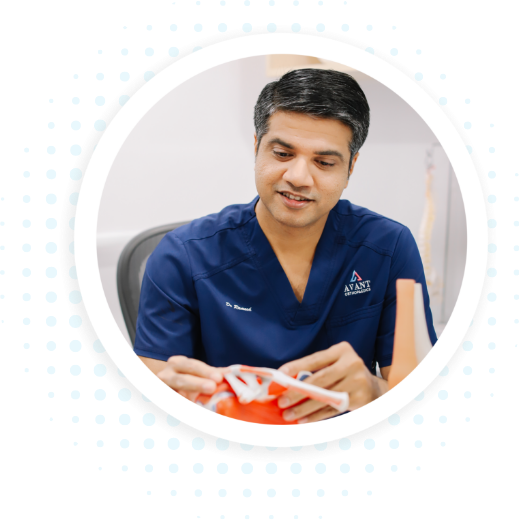
Dr Ramesh, a fellowship-trained orthopaedic surgeon, focuses on shoulder, knee, and arthroscopic sports surgery.
Dr Ramesh obtained his MBBS and Master’s in Orthopaedic Surgery from the National University of Singapore and completed Advanced Surgical Training. He earned his Fellowship from the Royal College of Surgeons of Edinburgh in Trauma and Orthopaedics. He was awarded the HMDP scholarship for a clinical fellowship in Shoulder and Knee Surgery in Dublin, followed by the Tan Tock Seng Scholarship for a Sports Fellowship in Knee Surgery in Barcelona. He also completed a Shoulder Surgery Fellowship at Hospital Del Mar and was trained in arthroscopic joint reconstruction and joint replacement surgeries.
Dr. McGraw
M.B.Ch.B. | M.R.C.S. (Lon) | F.R.C.S. (Tr & Orth)
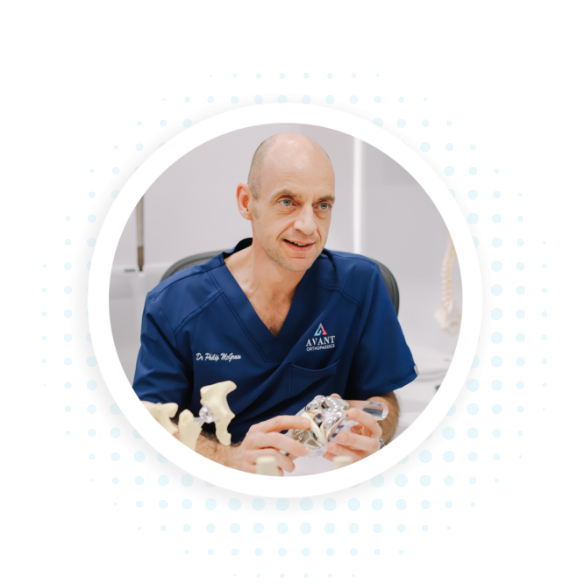
Dr. McGraw is a practising orthopaedic and trauma surgeon at Mount Elizabeth Novena Hospital and Parkway East Hospital.
His special interests and expertise include the management of all aspects of hip and knee conditions, in addition to general orthopaedic and trauma surgery.
Born and bred a Yorkshireman, Dr. McGraw studied Dental Surgery at Newcastle-Upon-Tyne in the United Kingdom. Upon qualifying, he worked as a Maxillofacial surgical trainee before undertaking his dental fellowship at The Royal College of Surgeons London and then commencing his studies in Medicine at Manchester University. He subsequently decided to change tack and completed his training as an Orthopaedic Surgeon in the northwest region of England. Dr. McGraw completed his training by undertaking two fellowships in hip and knee surgery at Wrightington Hospital in the UK. He was appointed as Consultant Orthopaedic Surgeon at Bury & North Manchester General Hospitals in 2012. Whilst at these hospitals, he kept up with the waiting list issues by dedicating his weekends to work in waiting list initiative lists at Wrightington Orthopaedic Hospital.
Related Treatments
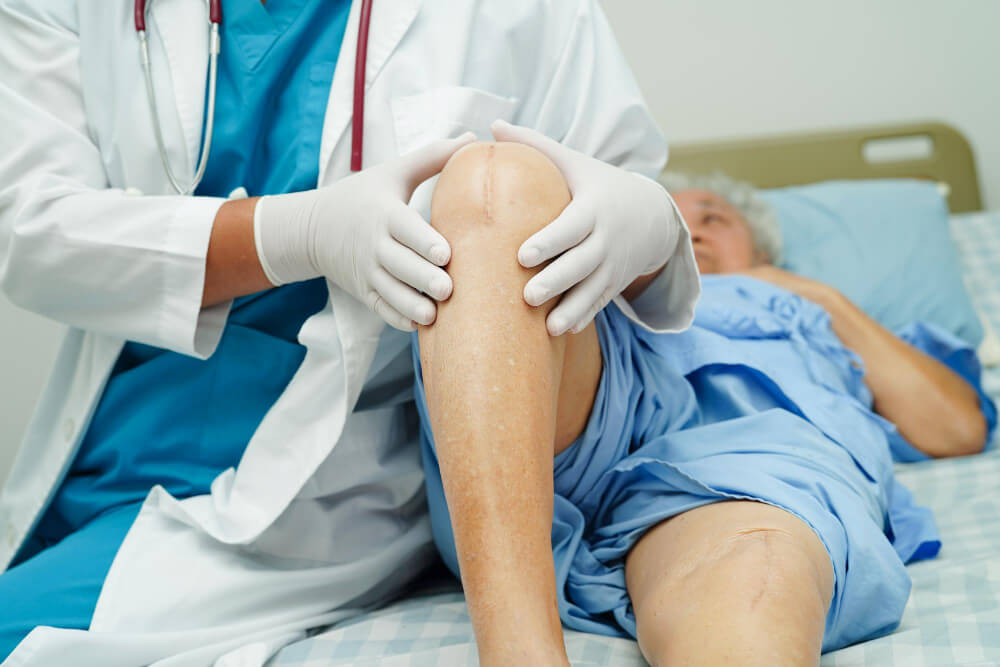
Knee arthroscopy is a minimally invasive surgical procedure used to diagnose and treat various knee problems such as ligament injuries, meniscus tears, tendon damage, fractures, and synovitis. The procedure involves inserting a small camera (arthroscope) through tiny incisions to view and repair the knee joint. It is typically recommended when non-surgical treatments fail to relieve pain or restore mobility. Recovery is usually faster than open surgery, with most patients resuming normal activities within weeks under proper care and physiotherapy.

Knee injections are a nonsurgical treatment that delivers medication into the knee to relieve pain and inflammation from osteoarthritis, tendon injuries, bursitis and other conditions. Options include corticosteroids, hyaluronic acid viscosupplementation and PRP, helping improve mobility and delay the need for surgery.
Find Us Here
Novena
9 AM to 1 PM (Saturday)
Closed on Sundays and Public Holidays
Parkway
9 AM to 1 PM (Saturday)
Closed on Sundays and Public Holidays

