
Shoulder Pain Treatment in Singapore
Content
- What Treatments Are Available for Shoulder Pain?
- Non-Surgical Treatments for Shoulder Pain
- Surgical Treatments for Shoulder Pain
- What are the Symptoms of Shoulder Pain?
- What are the Common Causes of Shoulder Pain?
- How Can the Source of Your Shoulder Pain Be Diagnosed?
- What is the Anatomy of the Shoulder?
- How Can You Reduce the Risk of Developing Shoulder Pain?
- Why is Shoulder Health Important?
- When Should You Seek Professional Help?
Book An Appointment
Key Takeaways
- Shoulder pain can result from rotator cuff injuries, overuse or strain, dislocation, fractures, arthritis or frozen shoulder.
- Non-surgical treatments include corticosteroid injections, physical therapy, assistive devices and hot or cold therapy.
- For more severe cases, surgical options may be recommended, such as rotator cuff repair, shoulder replacement surgery or shoulder arthroscopy.
What is Shoulder Pain?
Shoulder pain can be any kind of pain or discomfort you feel in either of your shoulders. Some people may experience shoulder pain inconsistently, where it comes and goes, while others may experience constant pain that does not go away. Shoulder pain typically arises after a fall or injury sustained to your shoulder. It may also occur due to gradual wear and tear that a medical condition like arthritis may exacerbate. Because multiple structures support the shoulder joint, shoulder pain is not a condition that has a straightforward diagnosis. The symptoms you experience and the location of your pain can also inform the diagnosis.

Shoulder Pain Orthopaedic Doctor in Singapore
Dr. Ramesh Subramaniam
MBBS (NUS, SG) | MRCS (Edinburgh, UK) | M Med (Ortho) (NUS, SG) | FRCS (Ortho) (Edinburgh, UK)
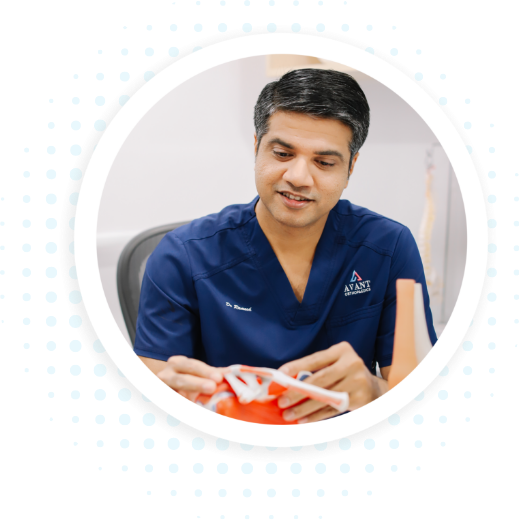
Dr Ramesh, a fellowship-trained orthopaedic surgeon, focuses on shoulder, knee, and arthroscopic sports surgery.
Dr Ramesh obtained his MBBS and Master’s in Orthopaedic Surgery from the National University of Singapore and completed Advanced Surgical Training. He earned his Fellowship from the Royal College of Surgeons of Edinburgh in Trauma and Orthopaedics. He was awarded the HMDP scholarship for a clinical fellowship in Shoulder and Knee Surgery in Dublin, followed by the Tan Tock Seng Scholarship for a Sports Fellowship in Knee Surgery in Barcelona. He also completed a Shoulder Surgery Fellowship at Hospital Del Mar and was trained in arthroscopic joint reconstruction and joint replacement surgeries.
What Treatments Are Available for Shoulder Pain?
Non-Surgical Treatments for Shoulder Pain
Corticosteroid Injections

Corticosteroid injections deliver anti-inflammatory medication directly to the affected area. This treatment reduces inflammation, and pain, and enhances your range of motion, making them a valuable tool in managing acute or chronic shoulder pain.
Physical Therapy

Skilled therapists can personalize exercises to strengthen muscles, enhance flexibility, and improve posture. Through guided movements and therapeutic techniques, individuals gradually regain mobility and functionality. Physical therapy promotes long-term healing by addressing underlying imbalances that contribute to shoulder discomfort.
Assistive Devices
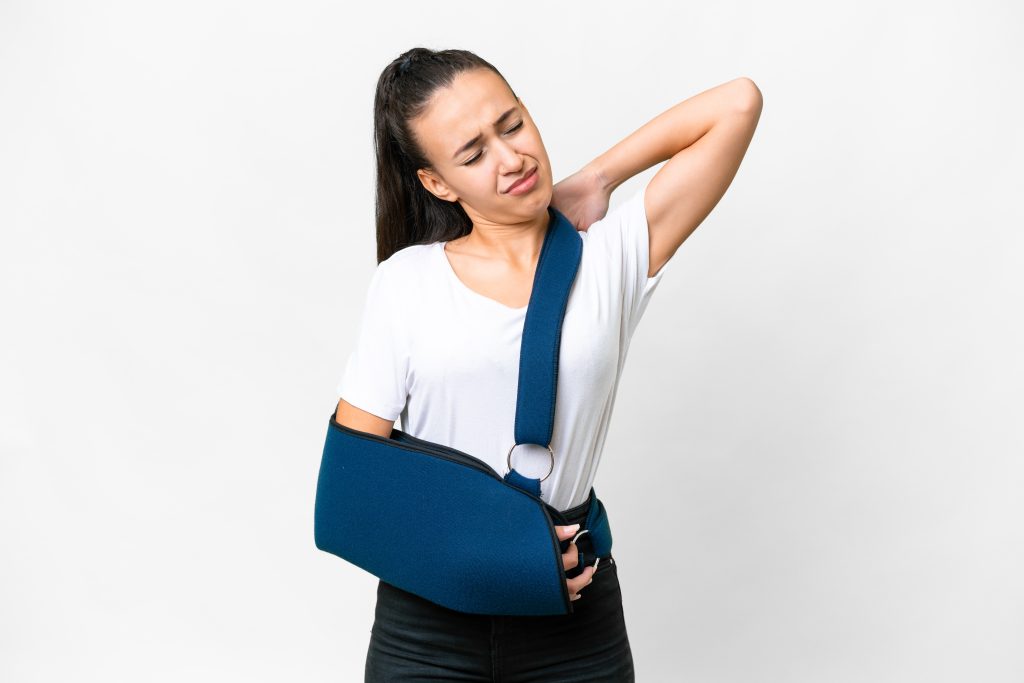
Assistive devices, ranging from slings to orthotic braces, provide targeted support to the shoulder joint. These aids offload pressure, stabilise the joint, and encourage proper alignment during daily activities. They are also often used in conjunction with other treatments.
Hot and Cold Therapy
Hot and cold therapy uses the power of temperature to alleviate shoulder pain. Cold packs reduce inflammation by constricting blood vessels, while heat packs relax muscles and promote circulation. This simple yet effective approach can ease muscle tension, reduce swelling, and provide temporary pain relief.
Surgical Treatments for Shoulder Pain
Rotator Cuff Repair
Rotator cuff repair is a surgical procedure aimed at repairing a torn or damaged rotator cuff. During the procedure, the surgeon reattaches the torn tendon to the bone using suture anchors. This surgery can help relieve pain, restore shoulder function, and prevent further damage to the shoulder joint.
Shoulder Replacement
Shoulder replacement is a surgical procedure that involves replacing the damaged or diseased parts of the shoulder joint with artificial components. There are two main types of shoulder replacement.
- Total Shoulder Replacement, where both the ball (head of the humerus) and the socket (glenoid) are replaced with prosthetic components.
- Partial Shoulder Replacement, where only the ball of the shoulder joint is replaced, while the natural socket is retained.
Shoulder Arthroscopy
Shoulder arthroscopy is a minimally invasive surgical technique that involves making small incisions and using a tiny camera (arthroscope) to visualise the inside of the shoulder joint. Common procedures that are performed using this technique include:
- SLAP Repair, which involves repairing a torn labrum at the top of the shoulder socket.
- Impingement Syndrome Treatment, to help remove or reshape bone and tissue that might be causing shoulder impingement.
- Labral Repair, to repair or re-attach the labrum, a ring of fibrocartilaginous tissue that surrounds the shoulder socket.
What Are the Symptoms of Shoulder Pain?
Learning how to spot the symptoms of shoulder pain is crucial in preventing the condition from worsening. There are often a wide variety of signs you can use to gain insight into your condition, which may present themselves as:
- Sharp, shooting pain
- Limited range of motion (Stiffness)
- Muscle weakness
- Swelling or inflammation
- Tingling or numbness down the arm
If you notice any of these signs, we recommend reaching out to our specialists at Avant Orthopaedics for proper diagnosis and treatment.
What Are the Common Causes of Shoulder Pain?
Rotator Cuff Injuries
The rotator cuff, a cluster of tendons and muscles surrounding the shoulder joint, is instrumental in maintaining stability and facilitating a range of arm movements. However, repetitive motions, sudden impacts, or ageing can lead to rotator cuff injuries. These injuries often result in symptoms such as persistent pain, especially when raising the arm or during certain activities, accompanied by weakness and limited range of motion.
Overuse or Strain
Modern lifestyles and occupational demands often subject the shoulder to overuse or strain. Repetitive motions, such as constant computer use or lifting heavy objects, can lead to inflammation of tendons and muscles, resulting in shoulder pain.
Dislocation
Shoulder dislocation occurs when the humeral head (upper arm bone) slips out of the glenoid socket. Trauma, falls, or high-impact sports can trigger this unsettling experience. Immediate symptoms include intense pain, swelling, visible deformity, and an inability to move the arm.
Fractures
The shoulder’s intricate network of bones can succumb to fractures due to accidents, falls, or direct trauma. Fractures may involve the clavicle, scapula, or humerus, resulting in localised pain, swelling, bruising, and limited mobility.
Arthritis
There are three main types of arthritis that affect the shoulder: Osteoarthritis, Rheumatoid arthritis (RA), and Post-traumatic Arthritis. The first is caused by the wear and tear with life’s movements, which gradually erodes the protective cartilage within the shoulder joint, while the second is an autoimmune disorder that results in inflammation and joint damage. The final one is caused by a previous shoulder injury or trauma leading to residual damage and accelerated degeneration.
Frozen Shoulder
Frozen shoulder, or adhesive capsulitis, restricts shoulder movement due to the thickening and tightening of the joint capsule. The condition often develops gradually, progressing through phases of pain, stiffness, and restricted motion. Everyday activities become challenging, and even simple tasks like fastening a seatbelt can become difficult.
How Can the Source of Your Shoulder Pain Be Diagnosed?
Diagnosing the source of shoulder pain involves a meticulous journey of assessment, examination, and diagnostic tools to uncover the cause of your discomfort. Therefore, we would like to discourage the use of self-diagnosis, as uncovering the root of the problem is crucial to tailoring an effective treatment plan and setting the course for relief and recovery.
The orthopaedic surgeon will perform:
- Physical Examination
- Imaging Techniques like MRI and X-Rays
- Electromyography and Nerve Studies
- Examining Your Medical History
What is the Anatomy of the Shoulder?
The shoulder joint is a dynamic structure and is made up of one main ball and socket joint as well as 3 minor joints:
This consists of two main bones: the acromion end of the scapula (shoulder blade), and the clavicle (collarbone).
This is a ball-and-socket joint, allowing a wide range of motion. The surfaces of the bones where the ball and socket meet are covered with smooth, elastic cartilage that absorbs shock and enables smooth movement. Furthermore, as the socket is shallow, it relies on surrounding tissue called labrum to support and hold it in place.
This joint can be found between the scapula (shoulder blade) and the thoracic cage. Unlike traditional joints, it doesn't involve direct bone-to-bone contact but relies on the coordinated action of muscles and connective tissues to guide the scapula's movement.
This is located between the clavicle (collarbone) and the sternum (breast-bone), and it plays an important role in connecting the upper limb to the axial skeleton. With its saddle-shaped articulation, this joint allows for a wide variety of movements while maintaining stability.
In addition to the four aforementioned joints, there are also four main ligaments that play an important role in stabilising them:
Connecting the collarbone (clavicle) to the shoulder blade (scapula), the coracoclavicular ligament serves as a robust tether. Comprising two components, the conoid and trapezoid, the ligament reinforces the acromioclavicular joint, lending crucial stability to shoulder movement.
Arched protectively over the shoulder joint, the coracoacromial ligament forms a shield against excess pressure. Its role is to prevent the upward displacement of the humeral head during arm movements, ensuring the preservation of the joint's structural integrity.
Encircling the glenohumeral joint, these three ligaments – superior, middle, and inferior – contribute significantly to the joint's stability. While the superior ligament restrains excessive external rotation, the middle and inferior ligaments prevent excessive translation of the humeral head, guarding against dislocation.
This is a small yet significant component of the shoulder's anatomy and plays a functional role in supporting smooth movement. It spans the groove of the humerus, securing the tendon of the long head of the biceps muscle. By holding the tendon in place, this ligament minimises friction during arm motion, contributing to the overall efficiency of shoulder movement.
How Can You Reduce the Risk of Shoulder Pain?
Caring for your shoulders goes beyond physical strength; it involves adopting mindful habits that prioritise health and longevity. By adhering to these practical strategies, you can minimise the risk of shoulder pain.
Maintaining good posture, whether you are walking, standing, or sitting, is a key factor in preventing shoulder pain. A general tip for doing so is to keep your shoulders relaxed and aligned with your spine, as well as gently drawing your shoulder blades back and down to promote a neutral spine.
Designing your workspace and daily surroundings with ergonomics in mind can significantly reduce the risk of shoulder pain. You can begin by positioning your computer screen at eye level to prevent straining your neck and shoulders, as well as using a supportive chair with proper back and armrest.
Adopting proper lifting techniques can protect your shoulders from unnecessary strain. When lifting objects, you should start by bending your knees and not the waist, along with positioning your feet shoulder-width apart to create a stable base of support. And finally, keep the object close to your body to engage core muscles instead of straining the shoulders.
Regular stretching and joint mobilization exercises can keep your shoulder joints flexible and reduce the risk of stiffness and pain. Some simple exercises you can perform include gently rolling your shoulders in a circular motion to relieve tension and stretches that target your shoulder muscles as well as help maintain their range of motion.
Why is Shoulder Health Important?
Having a healthy shoulder plays a vital part in ensuring your physical and emotional well-being. Whether you're playing sports, enjoying hobbies, or simply embracing life's experiences, a well-functioning shoulder enhances your overall enjoyment and sense of fulfilment. Therefore, taking good care of your shoulder enables you to maintain independence and upper limb mobility.
Proper posture and alignment are usually tied to the spine, but the shoulder plays a part too. A healthy shoulder helps maintain a balanced posture, reducing the risk of strain on other areas of the body, such as the neck and back. By keeping your shoulders in good condition, you can prevent other neck, back and elbow ailments from developing or worsening.
You don’t have to be an athlete to cause overuse to your shoulders. Even the act of carrying a load of laundry up the stairs or using a sling bag will be uncomfortable with a poor shoulder. Therefore, keeping a well-maintained shoulder not only elevates your physical performance but also acts as a safeguard against setbacks. It reduces the risk of strain, tears, and overuse injuries, allowing you to consistently push your boundaries without fear of interruption due to shoulder-related issues.
When Should You Seek Professional Help?
Knowing when to seek professional help for shoulder pain is essential to ensure timely and effective management. If you experience any of the following signs or symptoms, we recommend you consult a healthcare provider immediately:
- You are unable to perform daily activities.
- You have a history of trauma that affects your shoulder.
- You are unable to lift objects or bear weights.
- There is visible swelling, redness, or deformity around the shoulder joint.
- You experience numbness, tingling, or a sensation of pins and needles.
- The pain in your shoulder persists for more than a few days or becomes worse.
You don’t need to experience all of the following symptoms before reaching out for help, as timely intervention is important in preventing your condition from worsening.
Are You or a Loved One Suffering from Shoulder Pain?
Whether it’s a minor discomfort or a more persistent issue, we at Avant Orthopedics can help identify the cause of the pain and determine the most suitable course of treatment.
Book an appointment with us today to receive a personalised consultation.
Remember, early intervention can lead to better outcomes and a quicker road to recovery.
Related Conditions
Biceps tendonitis is the inflammation of the upper part of the biceps, typically caused by overuse or injury to the biceps tendon. This tendon is a strong connective structure that connects the biceps muscle to the shoulder socket; while strong, overuse or injury can still cause gradual wear and tear, leading to inflammation and other complications.

The rotator cuff consists of several muscles and tendons surrounding the shoulder joint. It helps to stabilise the joint, allowing you to move your arms and lift objects.
Visit Our Orthopaedic Clinic
Novena
9 AM to 1 PM (Saturday)
Closed on Sundays and Public Holidays
Parkway
9 AM to 1 PM (Saturday)
Closed on Sundays and Public Holidays

