
Labral Tears Treatments in Singapore
Book An Appointment
Key Takeaways
- Low-grade tears usually won’t affect your lifestyle too much, but it’s important to take care of yourself to prevent it from worsening.
- Labral repair or reconstruction is a suitable way to completely restore its function; make sure to get sufficient rest to allow it to heal properly.
What is the Labrum?
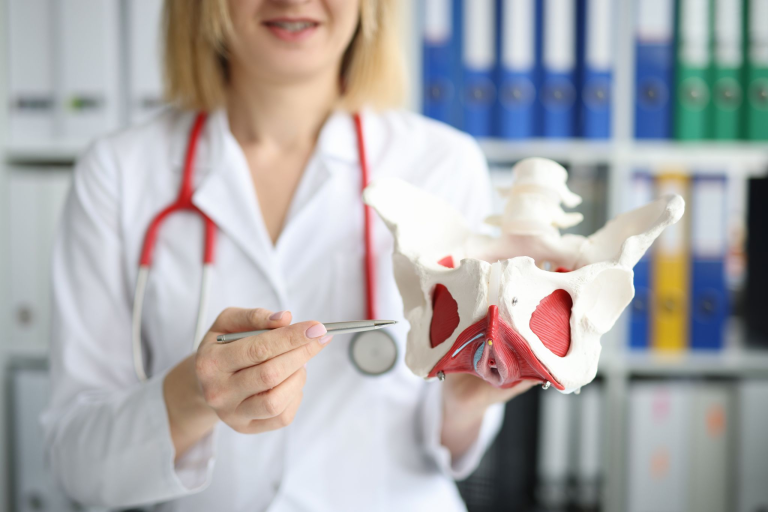
The labrum is a protective fibro-cartilaginous tissue located at the hip and shoulder joints. The hip joint is where the thigh bone, or femur, connects to the hip bone, or pelvis. Meanwhile, the shoulder joint is where the head of the humerus (upper arm bone) connects to the shoulder blade (the scapula).
The labrum is important as it cushions the joints, preventing the bones from grinding against each other, while keeping them held together properly and allowing for smooth and stable movement. The ligaments that connect these bones together also attach to certain parts of the labrum.
Find out the signs, causes and diagnosis of labral tears.
Symptoms of a Labral Tear
A labral tear is an injury that occurs anywhere on the labrum. Even if it happens, symptoms aren’t always immediately apparent. You may experience:
- Pain around the joint area, even while seated
- A feeling of grinding at the affected joints
- Stiffness in the joints
- Unsteadiness when standing (hip labral tear)
- Instability of the joint
You may also experience pain in areas close to the affected joint, and this can inevitably cause changes to your posture and movement.
What Causes a Labral Tear?
Damage to the labrum can come from regular wear-and-tear from daily activities, sports injuries or even trauma due to a fracture or dislocated bone. When excessive pressure is applied to the labrum, it will cause the labrum to tear. In minor cases, the edges of the labrum may start to fray; in more severe cases, the labrum has detached from the bone.
Some other common causes include:
- Falls or other accidents that impact the joint
- Overuse of the joint, especially in sports or other rigorous activities
- Degenerative conditions like osteoarthritis
- Bone deformities
The difference in pain thresholds between people who have a labral tear can make it seem as though you might not have a tear if you’re not in occasional or constant pain. It’s always a good idea to get yourself checked to prevent further problems in the future.
Elderly people are especially at risk of labral tears, given their slower pace of recovery due to frailty or chronic health conditions. Treatment options for elderly people will also need to be carefully chosen – labral repair surgeries may not be successful as the labrum is likely to be degenerative and may not heal. Joint arthroplasty may be a better option in selected cases.
How Are Labral Tears Diagnosed?
While a doctor will start with a physical examination, it may not be accurate enough to find a labral tear, especially since the labrum is deep inside the shoulder or hip. Some tests may only pinpoint specific types of tears, but not others.
Twist Test
This looks out for a hip labral tear. You’ll be asked to stand with your legs apart, then flex your knees side to side in a windshield wiper motion. You may be asked to repeat the test twice while standing on one leg and holding your doctor’s hands for support. If you feel pain in either leg, it might suggest a positive hip labral tear.
Arlington Test
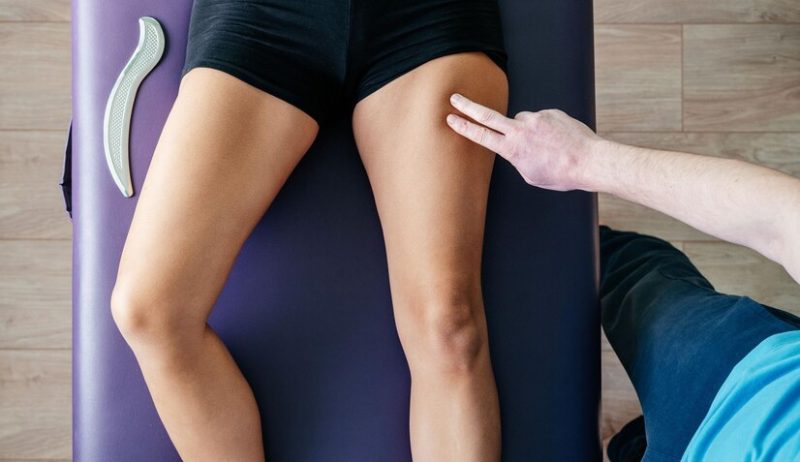
This test requires you to lie down on the examination table as your doctor internally and externally rotates your legs one by one. This aims to test your legs’ entire range of motion and identify any irritation or pain in the affected joint. Some studies have noted that the Arlington test is more sensitive (as in, more accurate) to detecting a hip labrum tear, though it’s common for doctors to combine the Arlington test with the twist test for better results.
O’Brien Test
Also called the active compression test, this test is used to look for shoulder labral tears. You'll be asked to raise your arms parallel to the floor and your elbows fully extended. You then direct your arms forwards till they reach around the centre of your body. From there, rotate your arms inward so the tops of your hands face one another and with your thumbs pointing down. The doctor will press down on your arms either from in front of or behind you and will ask you to resist as much as you can.
From there, you may then be asked to rotate your arms the other way so that your palms face the ceiling, and your elbows are pointing towards the floor. The doctor will repeat pressing down on your arms.
The physical examination is usually enough, but in some cases, additional tests may be ordered to see confirm the diagnosis, especially if physical tests are having a tough time confirming the result. It may also discover other complications that may be contributing to what you’re currently experiencing.
If need be, your doctor may suggest anaesthesia be injected into the joint space. If there is almost immediate pain relief after the injection, it could indicate a labral tear.
X-ray scans are generally sufficient to examine the affected joint and look for structural problems or other issues affecting the joint and its surroundings. A magnetic resonance imaging (MRI) test may also be ordered to get a closer look at the soft tissues surrounding the affected joint.
What Treatments Are Available for Labral Tears?
What are the Non-Surgical Treatment?
A physiotherapist can help you come up with an exercise plan tailored to your condition, particularly for minor-grade labral tears. Generally, it will emphasize strengthening your muscles around the affected joint, helping to improve flexibility and joint stability. The physiotherapist will also show you ways to reduce placing pressure on the affected joints, so that they won’t suffer further injury.
You may need several sessions before the physiotherapist believes you’re in much better shape. Follow-up appointments may be helpful to prevent the tear from worsening.
You may be prescribed nonsteroidal anti-inflammatory drugs (NSAIDs) to help manage any pain or inflammation you might be experiencing. Corticosteroid injections may be used instead for pain relief, depending on your condition. Once the pain and inflammation have subsided, you generally won't need these any longer.
You may need to give up some forms of physical activity, such as high-impact sports, and be more aware of how you move your joints, especially if you need to perform repetitive twisting motions frequently. Your doctor/physiotherapist will help pick out suitable activities you can do that won’t put too much weight or pressure on the affected joint.
It’s also a good idea to consider the following suggestions:
- Keep tripping hazards well away from the floor
- Place non-slip mats in areas that may get slippery
- If you do plan to exercise, don’t overdo it
- Make sure to avoid awkward positions that can strain your joints
- Avoid high joint flexion activities
- Use the right tools for the job
What are the Surgical Treatments?
Arthroscopic surgery is the most common method to repair a torn labrum. A surgeon will insert small instruments, such as a fibre-optic camera and surgical tools, into your body via small incisions made in your skin. These tools enable the surgeon to view the labrum and repair whatever damage is affecting the labrum. This is done with a minimally invasive technique using suture anchors to repair the labrum back to its anatomical footprint.
For cases of bone deformities, the surgeon may reshape the bones in the affected joint, so that they don’t cause any more discomfort or move around unnaturally.
For a labrum that’s partially detached, there’s a risk of it getting caught in the hip joint and causing further damage. Labrum debridement will be needed to remove torn or weakened areas of the labrum.
In very severe cases of labral damage (extensive tearing that can’t be repaired or complete detachment from the socket of the hip bone), labrum reconstruction may be needed. It may require the use of a graft derived from your own tissue (an autograft) or a donor’s tissue (an allograft) to reconstruct the damaged labrum. The graft is then surgically implanted into the rim of the socket, in which it will slowly grow into the labrum and the surrounding tissue.
What Happens After Surgery?
Depending on the nature of the labral tear, you may either be allowed to head home to recover or stay in the hospital for further observations and later help with physiotherapy. It may take between four to six months to make a full recovery, but that still depends on multiple variables. While you can start moving around on your own, you should still avoid activities or circumstances that require plenty of strain on your affected joint.
Can You Live with a Labral Tear?
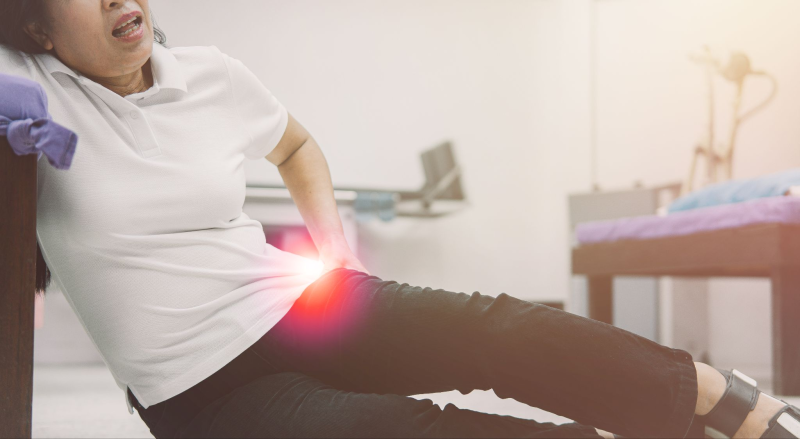
You can, but only for low-grade tears that don’t cause you pain or adversely affect your movement or capabilities. Labral tears require surgery to repair, even for low-grade tears, as they can’t heal on their own. While you could continue with your life even with a low-grade tear, over time you do substantially increase your risk of degenerative bone conditions or a major labrum tear.
Our Orthopaedic Doctor and Surgeon for Labral Tears
Dr. McGraw
M.B.Ch.B. | M.R.C.S. (Lon) | F.R.C.S. (Tr & Orth)
Dr. McGraw is a practising orthopaedic and trauma surgeon at Mount Elizabeth Novena Hospital and Parkway East Hospital.
His special interests and expertise include the management of all aspects of hip and knee conditions, in addition to general orthopaedic and trauma surgery.
Born and bred a Yorkshireman, Dr. McGraw studied Dental Surgery at Newcastle-Upon-Tyne in the United Kingdom. Upon qualifying, he worked as a Maxillofacial surgical trainee before undertaking his dental fellowship at The Royal College of Surgeons London and then commencing his studies in Medicine at Manchester University. He subsequently decided to change tack and completed his training as an Orthopaedic Surgeon in the northwest region of England. Dr. McGraw completed his training by undertaking two fellowships in hip and knee surgery at Wrightington Hospital in the UK. He was appointed as Consultant Orthopaedic Surgeon at Bury & North Manchester General Hospitals in 2012. Whilst at these hospitals, he kept up with the waiting list issues by dedicating his weekends to work in waiting list initiative lists at Wrightington Orthopaedic Hospital.
Are You or Your Loved Ones Suffering from a Labral Tears?
If you’re inexplicably experiencing pain or discomfort in your joints, or noticed you have any of the other symptoms listed in this article, contact Avant Orthopaedics immediately. We can help identify the root cause of the pain and determine the most suitable course of treatment before it worsens.
Frequently Asked Questions
It is a little frightening to think about it, especially since not everyone exhibits symptoms (like experiencing intermittent pain when walking or standing). It’s always a good idea to get yourself checked in case you’ve had a fall. Don’t delay as well: the sooner you can get examined, the better the odds of diagnosing the issue and addressing it.
Unfortunately, it is. Only low-grade tears don’t require surgery to treat, but there’s still a risk of the tear becoming worse off if something (a fall, for example) were to cause further damage to it. Grade 2 and 3 tears, however, will need surgical intervention to restore the joint’s function and range of motion.
You’ll need to discuss this in detail with your doctor. Ideally, it will take a few months before you’re in a condition where the doctor allows you to take part in your usual activities. They may also advise caution when doing certain activities, like sports, to prevent another tear from happening.
Related Treatments
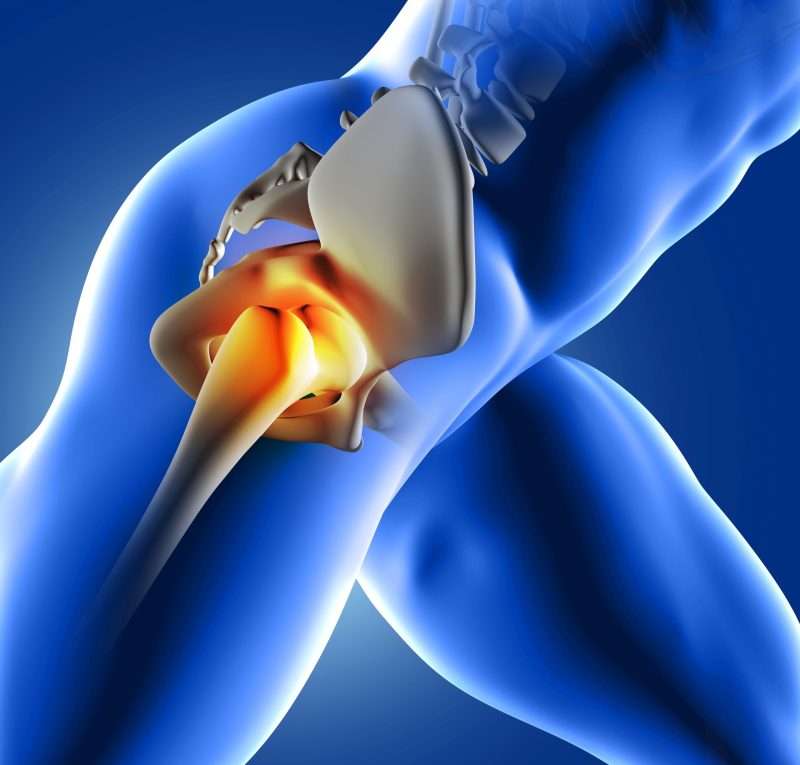
Understanding when to reach out for professional guidance is crucial in managing hip pain effectively and preventing potential complications.
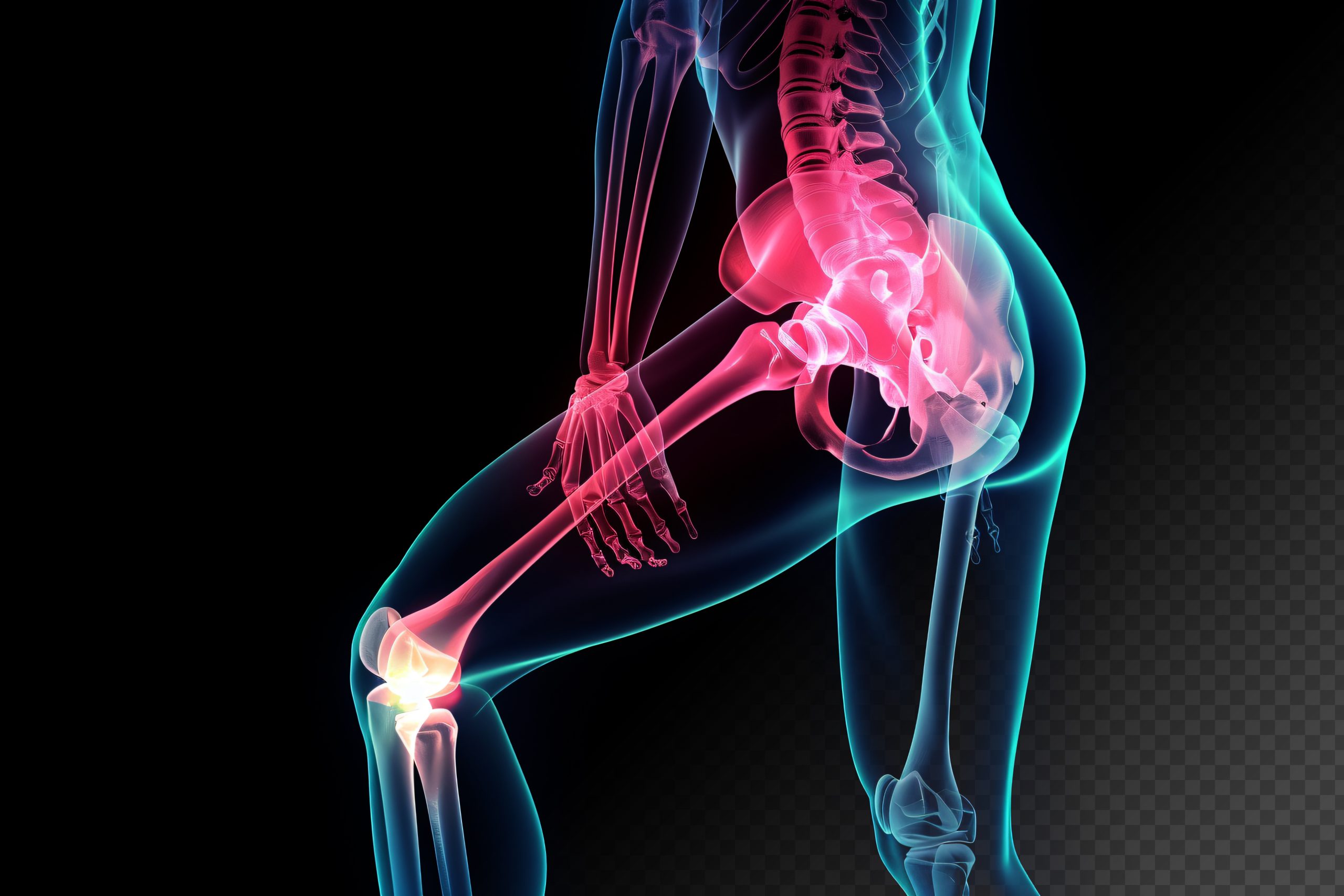
Total or hemiarthroplasty (also known as total or partial hip arthroplasty) is an extensive surgical procedure that replaces a part or the entire hip with artificial implants. It is a corrective procedure that helps address mobility issues caused by hip damage or degeneration.
Find Us Here
Novena
9 AM to 1 PM (Saturday)
Closed on Sundays and Public Holidays
Parkway
9 AM to 1 PM (Saturday)
Closed on Sundays and Public Holidays

